
Flowers
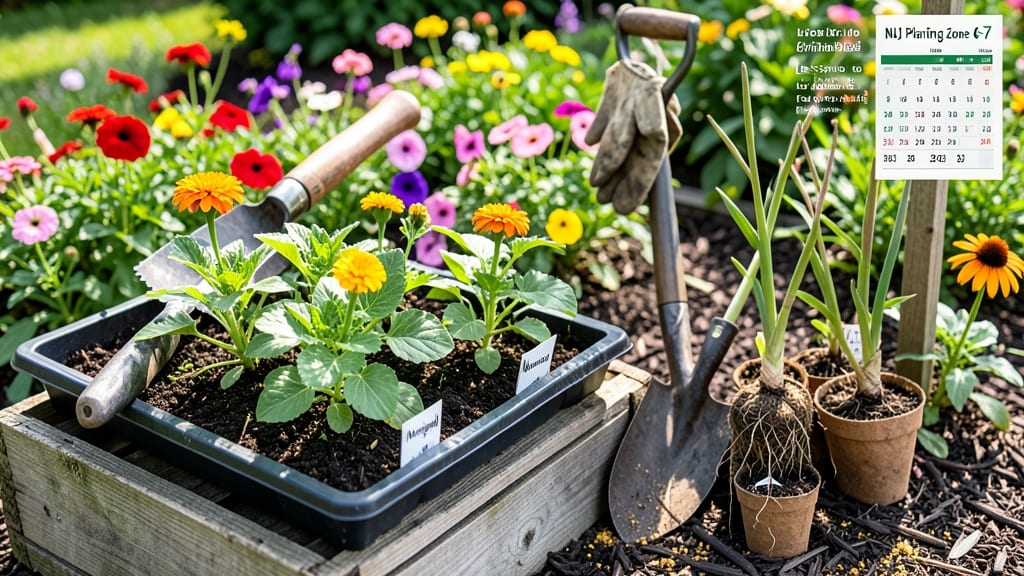
Timing your flower planting in New Jersey can make the difference between a garden that bursts with color and one that fizzles out before summer. With frost dates shifting between zones 6a and 7b, getting it wrong means bolting blooms or stunted growth—no one wants that!
I’ve spent years watching NJ gardens transform when flowers get planted at the perfect moment—just after the last frost, when soil warms to 60°F. But here’s the catch: coastal areas like Cape May have different rules than inland spots near Newark.
We’ll break down exactly when to plant for your specific zone so you can avoid common mistakes.
Whether you’re dreaming of annuals that bloom all summer or perennials that return year after year, the key is knowing your local frost dates and microclimate. I’ll share NJAES-approved strategies to extend your bloom season, even when Mother Nature throws curveballs like late frosts or early heatwaves.
Ready to turn your garden into a showstopper? Let’s dive into the exact planting windows, flower-by-flower, so you can enjoy vibrant blooms from spring through fall—without the guesswork.
NJ last frost dates by Zone: the exact timeline for planting flowers
New Jersey’s last frost dates vary dramatically from the cooler north (Zone 6a) to the warmer south (Zone 7b).
In Zone 6a (North Jersey), the average last frost date falls between April 15–May 1, while Zone 7b (South Jersey) sees its last frost around March 20–April 1. These dates are your garden’s lifeline—planting too early risks frost damage, and waiting too long can stunt growth.
For annual flowers, like marigolds or zinnias, wait until two weeks after your zone’s last frost date to ensure roots establish before summer heat arrives. Perennials and bulbs, however, have different rules—many can go in early spring (as soon as soil is workable) or early fall (6–8 weeks before first frost).
Here’s the critical timeline for NJ gardeners: First frost typically hits October 31–November 15 in the north and November 15–December 1 in the south. This means fall planting must happen by September 15–October 15 to give roots time to anchor before winter.
🌱
| Zone | Last Frost Date | First Frost Date | Ideal Planting Windows |
|---|---|---|---|
| 6a (North Jersey) | April 15–May 1 | October 31–November 15 | Spring: May 10–June 15 Fall: September 1–October 15 |
| 6b (Central NJ) | April 1–April 15 | November 1–November 15 | Spring: April 20–June 1 Fall: September 15–October 1 |
| 7a (South Jersey) | March 20–April 1 | November 15–December 1 | Spring: April 1–May 15 Fall: September 1–October 15 |
| 7b (Coastal NJ) | March 15–March 31 | November 20–December 15 | Spring: March 15–May 1 Fall: September 1–October 1 |
Coastal areas like Cape May often enjoy earlier last frosts due to moderating ocean breezes, while inland spots like Morris County can experience delayed warming. Always check local microclimates—urban heat islands may push back frost dates by 1–2 weeks.
For tender annuals like petunias or geraniums, I recommend waiting until May 10–June 1 in most of NJ to avoid late spring frosts. Conversely, hardy perennials such as coneflowers or black-eyed Susans can handle early spring planting as long as soil isn’t waterlogged.
Pro tip: Use NJAES frost maps (NJ Agricultural Experiment Station) for real-time updates—their data accounts for year-to-year variability. For example, 2023’s last frost in Trenton came May 8, nearly 3 weeks later than the average!
🌿
If you’re planting bulbs like tulips or daffodils, aim for fall planting (October–November)—they need cold stratification to bloom. But summer-blooming bulbs, such as dahlias, should wait until after last frost (typically May 15+) to avoid rot.
For container gardens, you have flexibility: Move pots indoors or under row covers if a late frost threatens. Just ensure containers have drainage holes to prevent root rot from spring rains.
💧
Flowers that thrive in NJ’s spring vs. fall planting: a Zone-specific guide
New Jersey’s spring and fall planting seasons offer two prime opportunities to fill your garden with color—but the flowers you choose should match your zone’s climate.
In USDA Zone 6a (northern NJ), cool-season blooms like pansies and snapdragons thrive in spring, while Zone 7b (southern NJ) can handle heat-lovers like zinnias or marigolds later into summer.
Fall planting is equally strategic: perennials like coneflowers and black-eyed Susans establish roots before winter, while bulbs such as tulips need chilling to bloom next spring. The key?
Plant annuals after the last frost date (typically mid-April in the north, early April in the south) and perennials 4–6 weeks before the first frost (late October in most of NJ).
Here’s how to match flowers to your season—and avoid NJ’s biggest pitfalls, like humidity-related diseases or late frosts that can ruin early plantings.
Spring Planting: Best Flowers by Zone
- ✅ Pansies: Thrives in cool soil (40–50°F)
- ✅ Sweet Alyssum: Drought-tolerant once established
- ✅ Lobelia: Perfect for shady borders
⚠️ Wait until May 15+ for heat-lovers like petunias.
- ✅ Zinnias: Blooms all summer if deadheaded
- ✅ Marigolds: Repels pests naturally
- ✅ Sunflowers: Needs full sun (6+ hours)
💡 Plant cosmos in late spring for fall color.
Fall Planting: Perennials & Bulbs
- ✅ Coneflowers: Drought-resistant once rooted
- ✅ Black-Eyed Susans: Attracts pollinators
- ✅ Russian Sage: Thrives in poor soil
📅 Plant by September 15 for best root growth.
- ✅ Tulips: Needs 6–8 weeks of chilling
- ✅ Daffodils: Deer-resistant
- ✅ Crocuses: Blooms earliest in spring
❄️ Avoid planting after first frost.
For coastal NJ (e.g., Cape May), extend your spring planting by 2–3 weeks—warmer microclimates delay frost. Meanwhile, inland areas like Morris County should wait until soil reaches 60°F to plant heat-sensitive geraniums or impatiens. Pro tip: Use a soil thermometer ($10 at garden centers) to check readiness.
One common NJ mistake? Planting tender annuals like begonias too early—they’ll rot in cold, wet springs. Instead, start them indoors in March and transplant after Memorial Day. For perennials, divide clumps in early spring (Zone 6a) or late summer (Zone 7b) to rejuvenate growth.
Need a cheat sheet? Bookmark NJAES’s frost date maps (njaes.rutgers.edu) for real-time updates. With the right flowers and timing, your NJ garden can bloom from April to October—no wilted dreams allowed! 🌷