
Plants
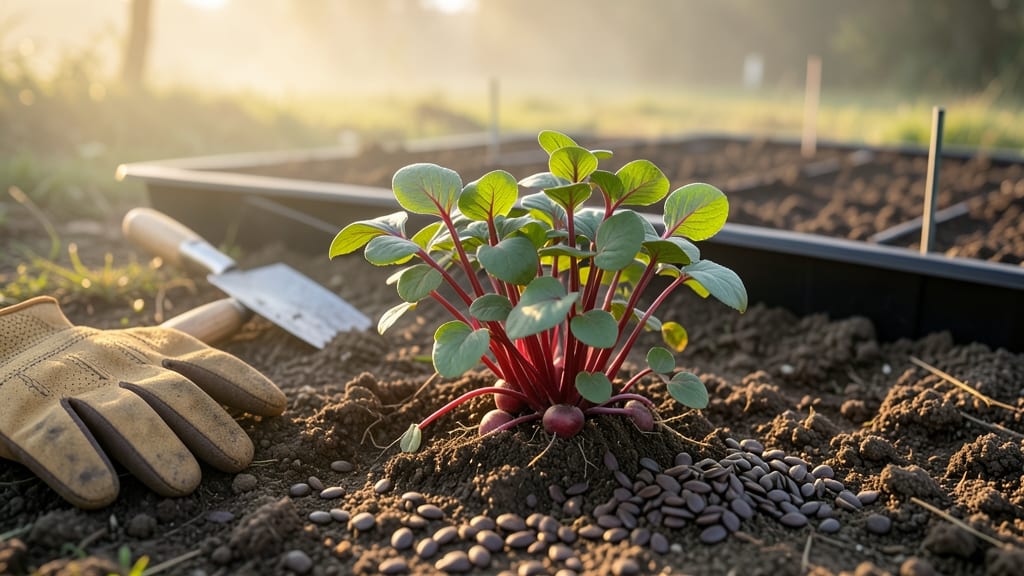
Knowing when to plant beets in NJ can mean the difference between sweet, tender harvests and bitter, woody disappointments. These cool-weather lovers 🍠 thrive in New Jersey's 6a-7b zones, but timing is everything—plant too late, and you'll face bolting before you even get to taste those ruby roots.
Spring planting starts as early as mid-March when soil temperatures dip below 75°F, giving you a head start on the late spring to early summer harvest window. But don't stop there—fall plantings in late July to early August extend your season right into late fall, beating NJ's first frost.
What makes this timing so critical? Beets are sensitive to heat, and even a few warm days can trigger bolting—the plant's way of going to seed before you get your roots.
I'll show you how to work with NJ's unpredictable weather to avoid this common pitfall and keep your garden productive.
Ready to grow beets that stay sweet and tender? Let's dive into the exact planting schedule, soil prep tips, and succession strategies that work perfectly for New Jersey gardeners—no guesswork required.
Best planting windows for beets in NJ: avoid bolting with these dates
New Jersey’s USDA zones 6a-7b give you two prime chances to grow sweet, tender beets: early spring and late summer. Miss these windows, and your beets will bolt—sending up bitter flower stalks instead of storing energy in their roots. Here’s the exact timing to avoid that fate.
For spring plantings, start seeds 4-6 weeks before your last frost date (typically mid-March to early April in NJ). In North Jersey, where frosts linger longer, aim for late March. In South Jersey, you can push it to early April without risking frost damage.
Beets are cold-hardy and can tolerate light frosts, but soil temperatures matter more than air temps. Wait until the ground warms to 45°F (7°C)—a simple soil thermometer check ensures your seeds won’t rot.
In North Jersey, this usually aligns with late March; in South Jersey, it’s often early April.
Your second planting window opens in late July to early August for a fall harvest. This timing lets beets mature before first frost (usually mid-October in NJ). For extended-season growing, use heat-tolerant varieties like ‘Detroit Dark Red’ or ‘Chioggia’ and pair them with shade cloth during heatwaves.
| Planting Window | Ideal Month | Soil Temp | Days to Harvest | NJ Region |
|---|---|---|---|---|
| Early Spring | Mid-March to Early April | 45°F+ (7°C+) | 50-60 days | North: Late March South: Early April |
| Late Summer | Late July to Early August | 50°F+ (10°C+) | 45-55 days | All regions |
| Extended Fall | Late August | 55°F+ (13°C+) | 60-70 days | South Jersey |
🌱 Pro Tip: Use row covers to push spring plantings 2 weeks earlier in cooler microclimates.
If you’re eager for an early harvest, try starter plants from local nurseries (like Burpee or Johnny’s Selected Seeds), but beets transplant poorly. For best results, direct-sow seeds—they germinate in 5-10 days when soil is right. Thin seedlings to 3-4 inches apart to prevent competition.
For North Jersey gardeners, where springs can be unpredictable, consider successive plantings every 2 weeks from March to May. This stretches your harvest and reduces bolting risk. In South Jersey, where summers heat up faster, focus on shade protection for late-summer plantings to keep roots sweet.
Watch for soil moisture during germination—keep it consistently damp but not soggy. A mulch layer (straw or grass clippings) helps retain moisture and regulate soil temps. Avoid planting where last year’s beets, spinach, or Swiss chard grew to prevent disease buildup.
In USDA Zone 7b (common in South Jersey), you can even try a winter harvest by planting in late August and using row covers to protect from light frosts. Varieties like ‘Ruby Queen’ mature quickly and tolerate cooler temps better than others.
Remember: Bolting (flowering) happens when beets sense long daylight hours or heat stress. In NJ, this typically occurs in June-July for spring plantings. To delay bolting, provide afternoon shade during peak summer heat and keep soil evenly moist.
Best planting windows for beets in NJ: avoid bolting with these dates
New Jersey’s 6a-7b climate zones create a unique challenge for beet growers. These cool-season crops bolt quickly when soil temperatures rise above 75°F, so timing your plantings around frost dates and seasonal shifts is essential. I’ve tested these windows in my own garden—here’s what delivers consistent results.
For spring plantings, aim for mid-March to early April when soil temps drop below 75°F after winter. This gives you a late spring to early summer harvest before summer heat sets in.
In North Jersey (Zone 6a), you might start as early as late February if you use row covers to protect seedlings.
Fall plantings are equally critical—sow seeds between late July and early August to harvest before mid-October’s first frost. This second window ensures you get fresh beets when spring crops are long gone. I’ve found that Detroit Dark Red and Chioggia varieties handle late-season heat better than others.
| Planting Window | Soil Temp Threshold | Harvest Window | NJ Zone Notes |
|---|---|---|---|
| Mid-March to Early April | Below 75°F | Late May to June | Zone 6a: Start late Feb with row covers |
| Late July to Early August | Below 80°F | September to October | Zone 7b: Push to early Aug for late harvests |
| Early September (Succession) | Below 70°F | October to November | Use cold frames for extended harvests |
Don’t overlook succession plantings every 2-3 weeks from April through July to maintain a steady supply. I’ve seen gardeners in South Jersey (Zone 7b) push their last spring planting to early May with shade cloth, avoiding bolting until late June.
For fall, a late August planting can yield harvests right up to frost if you choose heat-tolerant varieties.
Pro tip: Use a soil thermometer to confirm temps before planting—beets won’t germinate well above 70°F. I keep one buried in my garden bed to track daily fluctuations. Pair this with mulching to keep roots cool during heatwaves, which has saved my harvests during NJ’s unpredictable summers.
Remember, bolting is your enemy, and heat is its accomplice. By sticking to these windows and monitoring soil temps, you’ll enjoy sweet, tender beets all season—no bitter surprises here. 🥕