
Plants
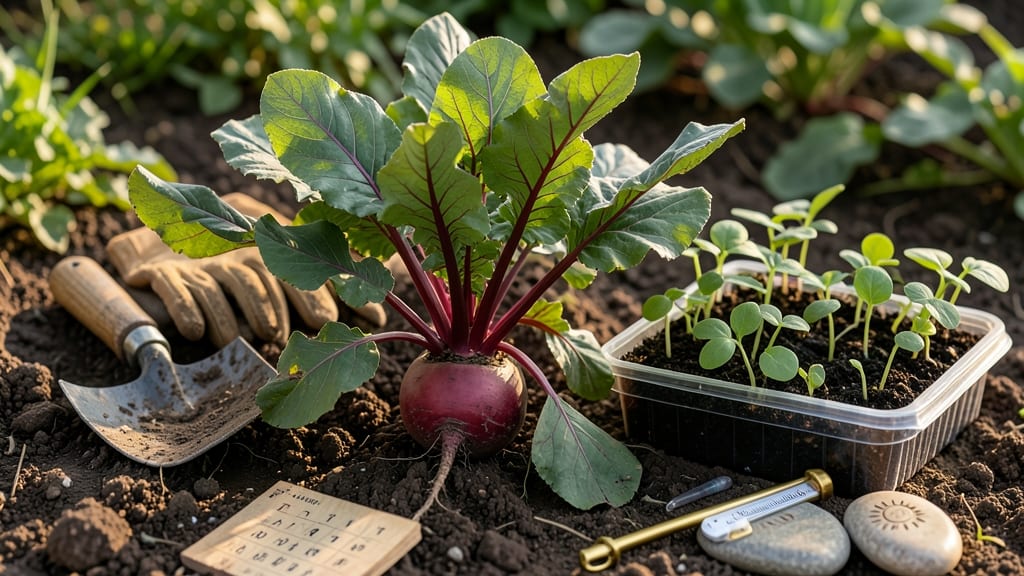
If you’ve ever planted beets in Colorado only to watch them bolt into bitter greens before you could harvest them, you’re not alone. The exact timing of planting—especially in zones 5-7—is the difference between a sweet, tender harvest and a disappointing flop.
Colorado’s spring and fall windows are your best bets, but getting the dates wrong can mean waiting too long for soil to warm or risking early frost.
I’ll break down the ideal planting windows for your specific microclimate, whether you’re in Denver, the Western Slope, or the Eastern Plains, so you can avoid common mistakes and enjoy homegrown beets all season.
From seed spacing to soil prep, I’ll share the science-backed tips that work in Colorado’s high-altitude gardens. Whether you’re a first-time gardener or a seasoned pro, these strategies will help you maximize your harvest and skip the bolting blues.
Ready to grow beets that taste like victory? Let’s dive into the perfect planting schedule for your Colorado garden.
Colorado beet planting calendar: exact dates by microclimate
Colorado’s diverse microclimates mean your beet planting schedule should vary by region—whether you’re in Denver’s Front Range, the Western Slope’s dry heat, or the Eastern Plains’ cooler nights. Beets thrive in USDA Zones 5–7, but altitude and frost dates shift your windows dramatically.
For example, Denver (Zone 5b) has a last frost around April 10, while Colorado Springs (Zone 5a) waits until April 20. Timing these windows correctly prevents bolting (premature flowering) and ensures sweet, tender roots.
Start sowing beet seeds as soon as soil reaches 40°F—typically mid-March in lower elevations but late April in high-altitude areas like Fort Collins (Zone 5a). Spring plantings should finish by late April to early May to avoid summer’s heat stress.
Fall plantings begin mid-August and continue until mid-September, allowing roots to mature before first frost (October 10–20). Succession planting every 2 weeks extends your harvest from June to November.
Here’s how to align your planting with Colorado’s three key regions and their unique frost patterns:
| Region | USDA Zone | Last Frost Date | First Planting Window | Final Spring Planting | Fall Planting Window |
|---|---|---|---|---|---|
| Front Range (Denver, Boulder) | 5b | April 10 | Mid-March | Early May | Mid-August–Sept 1 |
| Western Slope (Grand Junction, Aspen) | 6a–7a | April 25–May 10 | Late March | Late May | Late August–Sept 15 |
| Eastern Plains (Pueblo, Lamar) | 5a | April 20 | Early April | Early May | Early August–Sept 10 |
For high-altitude gardens (5,000+ ft), like those in Leadville or Steamboat Springs, delay planting until soil warms to 50°F—often late April or early May. These areas benefit from cold-frame protection in spring to jumpstart growth.
Meanwhile, dry Western Slope regions (e.g., Grand Junction) should focus on succession planting every 10–14 days to beat the summer heat, which causes beets to bolt.
Colorado State University Extension recommends using soil thermometers to confirm 40°F minimum soil temps before planting. If your garden sits in a microclimate (e.g., a sunny south-facing slope), you can plant 2–3 weeks earlier than the regional average.
Conversely, shady or low-lying areas may need to wait until after May 1 to avoid frost damage.
To maximize your harvest, pair spring and fall plantings with companion plants like lettuce or radishes, which thrive in the same conditions. Avoid planting near pole beans or onions, as they compete for nutrients.
In fall plantings, use row covers to extend the season by 2–3 weeks before the first frost.
Remember: Beets are cool-season crops, so they’ll bolt if exposed to consistent temps above 80°F. In Denver’s summer heat, opt for shade cloth (30–50%) to keep soil temps below 75°F.
For high-altitude gardens, prioritize cold-hardy varieties like ‘Detroit Dark Red’ or ‘Golden’, which tolerate brief frosts and short growing seasons.
Track your local frost dates using the Colorado Climate Center or Almanac’s Frost Calculator. Adjust your planting by 1–2 weeks if your area experiences unpredictable spring frosts, a common issue in Colorado’s Rocky Mountain foothills. With precise timing, you’ll enjoy sweet, tender beets
How to avoid bolting: Colorado-specific growing tips
Beets in Colorado have a sneaky habit of bolting—sending up flower stalks before you can harvest their sweet roots. This happens when they sense heat stress or long daylight hours, common in our high-altitude summers.
The key to preventing bolting is cool soil temperatures and consistent moisture, especially in zones 5-7.
First, focus on soil temperature. Beets thrive when soil stays between 50–65°F. Use a soil thermometer to check—if it’s above 70°F, your beets are at risk.
Plant in early spring (March–April) or late summer (August–September) to keep temps ideal. Avoid planting in June or July when heat spikes.
Next, shade cloth can be a lifesaver during hot spells. A 30–50% shade cloth reduces stress and buys you extra time for harvest. Stake it above your beet rows if temps climb above 80°F for more than a few days.
This trick works especially well in Denver’s urban heat islands or Western Slope valleys.
Watering plays a critical role too. Beets need consistent moisture—never let the soil dry out completely. Aim for 1 inch of water per week, delivered in the morning to prevent evaporation.
Drought stress triggers bolting faster than heat alone, so mulch with straw or grass clippings to retain moisture. In Eastern Plains gardens, where winds dry soil quickly, mulching is non-negotiable.
Succession planting is another Colorado-proven strategy. Instead of sowing all your seeds at once, plant small batches every 2–3 weeks from March to May, then again in August. This ensures a steady harvest before the heat peaks.
For example, if you plant March 15, April 1, and April 15, you’ll have beets ready in June, July, and August—just as summer cools down.
Finally, choose bolt-resistant varieties like 'Early Wonder' or 'Babybeat', which handle heat slightly better than classic types. Even then, harvest promptly—once roots reach 1–2 inches in diameter—to avoid the bitter taste of bolting. Keep an eye on your plants, and you’ll enjoy sweet, tender beets all season long.
🌱
⚠️ Warning: Heat + Dry Soil = Bolting Disaster
Signs your beets are bolting: Tall, skinny stems with yellow leaves or flower stalks. Once this happens, roots become woody and bitter. Act fast—harvest any edible roots immediately and pull the rest to save space for a new crop.
Quick fix: If you see early signs, shade the plants immediately and water deeply at soil level (not the leaves) to reduce stress.
With these Colorado-specific tips, you’ll skip the bolting blues and enjoy a bountiful, sweet harvest. The secret? Cool soil, shade when needed, and steady watering—simple but effective strategies for our unique climate.
☀️✂️