
Flowers
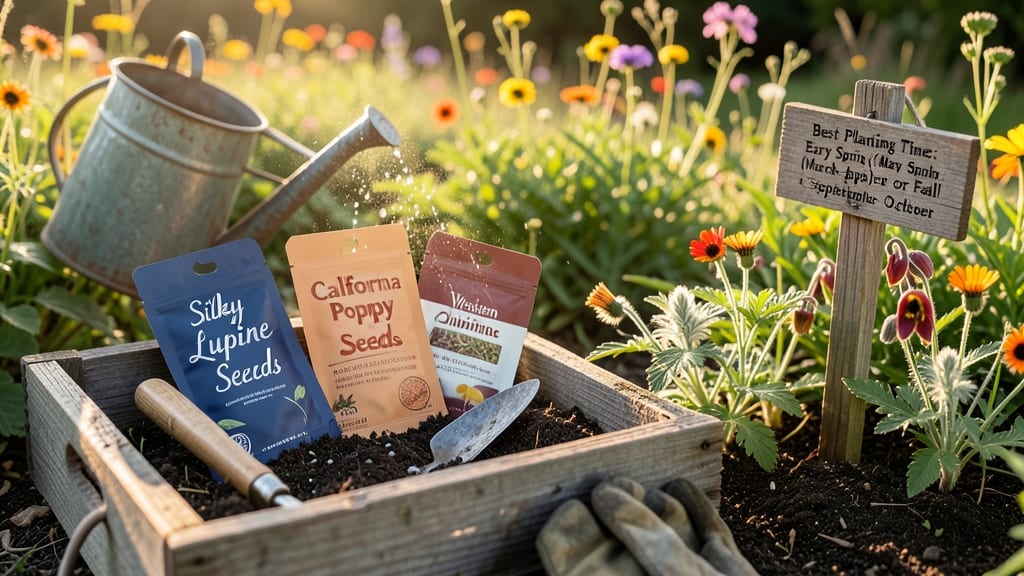
Timing your flowers planting in Idaho isn’t just about following a calendar—it’s about outsmarting frost, heat waves, and the state’s wild microclimates that can turn your garden into a high-stakes gamble. One wrong move, and your 🌸 blooms could get wiped out before they even peek through the soil.
But here’s the good news: with the right strategy, you can stretch your flower season from spring to fall, no matter whether you’re in Boise’s urban heat or Coeur d’Alene’s cooler valleys.
I’ve spent years testing what works in Idaho’s USDA Zones 4-7, and the key isn’t just knowing when to plant—it’s understanding how elevation, soil temperature, and even your neighborhood’s microclimate can shift deadlines by weeks.
Whether you’re dreaming of vibrant daffodils in April or hardy coneflowers by September, the secret lies in reading your local frost dates and adjusting your timeline accordingly.
In this guide, I’ll break down the exact planting windows for annuals, perennials, and bulbs, so you can avoid costly mistakes and enjoy a garden bursting with color year-round.
From succession planting tricks to the best Idaho-adapted flowers for your zone, you’ll learn how to turn your garden into a four-season showstopper—without the guesswork.
Ready to stop playing roulette with your blooms? Let’s dive into the game-changing timing secrets that’ll keep your Idaho garden thriving, no matter what Mother Nature throws your way.
Idaho’s frost zones and best flower planting months by region
Idaho’s USDA zones 3-7 create a gardening puzzle—what thrives in Boise’s Zone 7 may freeze in Coeur d’Alene’s Zone 5. The key? Knowing your last frost date and adjusting for elevation microclimates.
Most Idahoans face spring frosts until mid-May in northern zones or early April in southern valleys, while fall frosts arrive as early as mid-October in high deserts.
For annual flowers, aim to plant 2-4 weeks before your last frost—this gives seedlings time to establish roots before chilly nights. Perennials and bulbs (like daffodils) can handle cooler soil, so plant them after the last frost or in early fall for spring blooms.
Container gardeners have a 2-week window to adjust timing indoors.
Here’s how Idaho’s regions break down:
| Region | USDA Zone | Last Frost | Best Planting Window | Fall Planting |
|---|---|---|---|---|
| Northern Idaho (Coeur d’Alene, Sandpoint) | 4-5 | May 15–June 1 | April 15–May 10 (annuals) May 15–June 1 (perennials) |
August 15–September 15 |
| Treasure Valley (Boise, Meridian) | 6-7 | April 1–April 15 | March 15–April 1 (annuals) April 15–May 1 (perennials) |
September 1–October 1 |
| High Desert (Twin Falls, Burley) | 5-6 | May 1–May 15 | April 1–April 30 (annuals) May 1–May 15 (perennials) |
August 1–September 10 |
| Mountain Valleys (Sun Valley, McCall) | 3-4 | June 1–June 15 | May 1–May 15 (annuals) June 1–June 15 (perennials) |
July 15–August 15 |
🌱 Pro Tip: Use row covers to extend spring planting by 2-3 weeks in cooler zones.
Boise’s urban heat island effect can push last frosts 1-2 weeks later than rural areas, while lake-effect cooling near Coeur d’Alene delays spring planting. Always check your local Cooperative Extension Service for updates—Idaho’s frost dates shift yearly.
For bulbs like tulips and daffodils, plant in fall (October–November)—they need 6-8 weeks of cold to bloom. Summer-blooming bulbs (e.g., dahlias) go in late spring after frost risk passes. Perennials like coneflowers thrive when planted in early spring or early fall for deep root establishment.
Container gardeners in Zone 7 (Boise) can start tender annuals indoors in February and transplant after frost. Hardy varieties like pansies tolerate light frosts, so plant them 4 weeks before your last frost for early color. Deadhead spent blooms to encourage reblooming—especially for zinnias and marigolds, which thrive with consistent deadheading.
Remember: Soil temperature matters more than air temperature. Use a soil thermometer—most flowers need 50°F soil to sprout. In high-altitude areas, wait until soil warms to 55°F to avoid frost damage. Mulch heavily in fall to protect perennial roots from freeze-thaw cycles.
If you’re unsure about your exact frost date, err on the side of planting later. A 2-week delay in spring is better than lost seedlings. For fall planting, aim to finish 6 weeks before first frost—this gives plants time to establish before winter.
🌿
How to stretch your flower season: extending blooms with succession planting
Succession planting is my secret weapon for keeping my Idaho garden blooming from spring through fall. Instead of planting all your flowers at once, you stagger them in 2-4 week intervals to create a continuous display.
This works especially well for annuals like marigolds and zinnias, but even perennials like coneflowers benefit from strategic timing.
For spring blooms, start with cold-hardy varieties like pansies or sweet alyssum 4-6 weeks before your last frost date. Then, follow up with heat-loving annuals like sunflowers or cosmos 2-3 weeks after the final frost. This ensures you won’t have a lull between early and late bloomers.
In summer, succession planting prevents gaps when early bloomers fade. Try planting cosmos in early June, then zinnias in late June, and finally celosia in early July. Each variety will take over as the previous one winds down, keeping your garden vibrant all season long.
🌱 Pro Tip: Use row covers or cold frames to extend your planting window by 2-3 weeks in spring and fall. These protect tender seedlings from late frosts or early chills, giving you more flexibility to plant later or earlier than typical guidelines suggest.
Fall planting is just as critical. Perennials like asters and goldenrod should go in the ground 6-8 weeks before your first frost, while bulbs like tulips and daffodils need to be planted 4-6 weeks before the ground freezes. This ensures they establish roots before winter sets in.
Don’t forget about container gardening—it’s perfect for succession planting! Swap out spent blooms in pots every 3-4 weeks with new varieties. For example, start with pansies in spring, then transition to geraniums in summer, and finish with kale or ornamental cabbage in fall for winter interest.
By mastering succession planting, you’ll turn your Idaho garden into a year-round spectacle without the guesswork. The key is planning ahead, keeping track of your local frost dates, and choosing varieties that thrive in your specific microclimate.