
Flowers
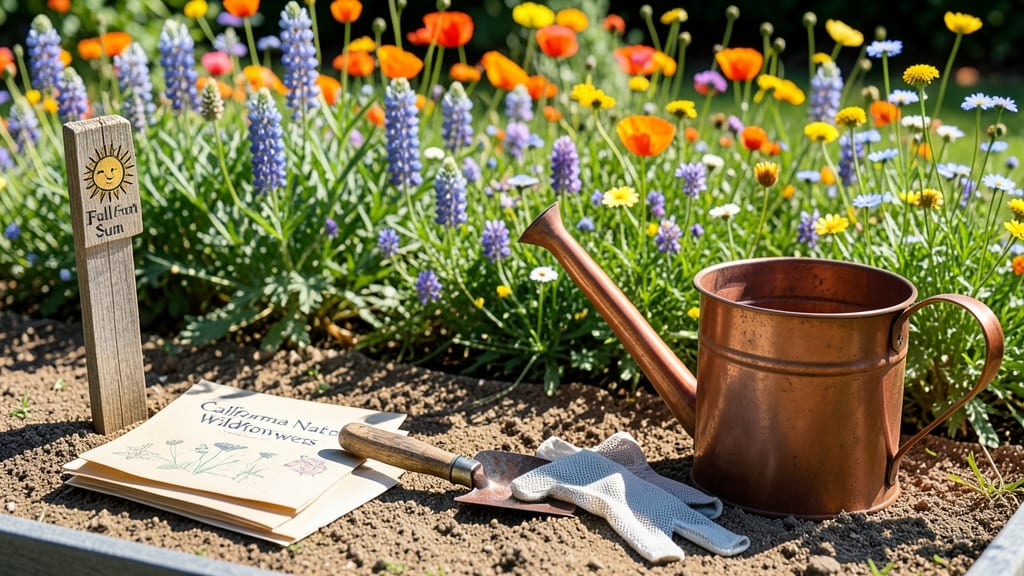
Timing your flower planting in California can feel like solving a puzzle—because the right moment depends on whether you're in coastal fog or desert heat. One wrong move, and your vibrant blooms might bolt before they even open.
But here's the good news: with a few simple adjustments, you can master the perfect schedule for your region.
California’s climate isn’t one-size-fits-all, and that’s where most gardeners stumble. What works for Southern California’s mild winters could fry your flowers in the Central Valley’s summer heat.
I’ll break down the exact windows for annuals, perennials, and bulbs—so you know when to dig in, whether you’re in Zone 7 or Zone 10.
Ready to skip the guesswork? You’ll discover how to read your local microclimate like a pro—adjusting for everything from coastal breezes to inland heat spikes. By the end, you’ll have a custom planting calendar tailored to your backyard’s unique conditions.
Let’s turn your flowerbeds into a year-round show, starting with the one rule that changes everything: plant when the soil warms up, not when the calendar says spring.
California planting zones: when to plant flowers by climate region
California’s diverse microclimates create unique planting windows for flowers. Whether you're in coastal fog zones, desert heat belts, or mountain valleys, knowing your region’s USDA Hardiness Zone (typically Zone 7-10) is key.
Coastal areas like San Francisco (Zone 9-10) can plant year-round for some varieties, while inland Sacramento (Zone 9) has stricter frost-free windows. Let’s break down the best times to plant by region.
For annual flowers, timing depends on whether they thrive in cool seasons (like pansies) or warm seasons (like zinnias). Perennials often need early spring or fall planting to establish roots before extreme heat or cold. Bulbs, such as tulips, should go in fall for spring blooms, but California’s mild winters allow some flexibility.
Coastal areas can even plant spring-blooming bulbs in winter.
Visual Guide: Planting Windows by Region
| Region | USDA Zone | Best Planting Time | Key Flowers |
|---|---|---|---|
| Coastal (e.g., San Francisco, Santa Barbara) | 9-10 | Fall (Oct-Nov) for spring blooms; Spring (Feb-Apr) for summer flowers | Lavender, Snapdragons, Petunias |
| Central Valley (e.g., Sacramento, Fresno) | 9-10 | Spring (Mar-Apr) for summer blooms; Fall (Sep-Oct) for winter/spring | Marigolds, Zinnias, Dahlias |
| Desert (e.g., Palm Springs, Death Valley) | 10-12 | Fall (Sep-Oct) for spring blooms; Late Winter (Jan-Feb) for summer | Desert Marigold, Blanket Flower, Aloe Vera |
| Mountain (e.g., Sierra Nevada, Lake Tahoe) | 6-8 | Early Spring (Apr-May) for summer flowers; Late Summer (Aug) for fall blooms | Columbines, Delphiniums, Asters |
In coastal regions, mild winters mean you can plant cool-season flowers like pansies or sweet peas as early as September for winter blooms.
Meanwhile, inland valleys experience hotter summers, so spring planting (March-April) ensures flowers like zinnias and sunflowers thrive before the heat peaks. Desert areas avoid summer planting entirely—opt for fall or late winter to prevent heat stress.
For mountain regions, shorter growing seasons demand earlier starts. Plant hardy perennials like columbines in early spring (April) to take advantage of cooler temperatures. If you’re unsure about your exact last frost date, check local Cooperative Extension offices or use online frost calculators tailored to California.
Pro Tip: Use soil thermometers to confirm when soil reaches 60°F—the ideal temperature for most flower seeds to germinate. Coastal soils may stay cooler longer, while inland areas can heat up quickly. Adjust your planting schedule accordingly to avoid seed rot or poor germination.
If you’re in a transition zone (like Los Angeles), where coastal breezes meet inland heat, stagger your planting. Start with heat-tolerant varieties (e.g., portulaca) in early spring, then add cool-season flowers (e.g., stock) in fallcontinuous color year-round.
For container gardening, timing is even more flexible. You can plant annuals like petunias in containers anytime the weather cooperates, as pots warm up faster than ground soil. Just ensure your containers have drainage holes to prevent root rot in California’s variable rainfall.
Remember, California’s microclimates can shift dramatically over short distances. A 5-mile drive inland might mean 10°F warmer soil and a 2-week earlier planting window. Always observe your garden’s unique conditions and adjust as needed for the most vibrant blooms.
🌱
Best flower varieties for each California season (with exact planting dates)
California’s seasonal shifts create opportunities for year-round blooms, but each flower type has its own ideal planting window. Whether you’re chasing spring’s pastel parade or summer’s fiery hues, knowing the exact month to plant makes all the difference.
Let’s dive into the best varieties and their precise timing by season.
For cool-season bloomers like pansies and sweet peas, I plant them in late winter (February-March) when daytime temps hover around 55-65°F. These cold-hardy annuals thrive in California’s coastal regions but may need lightweight row covers in frost-prone areas like the Central Valley.
In Zone 10 (Southern California), you can even start them in December for early spring color.
Spring’s star players—like snapdragons and sweet alyssum—get their start in February-March for summer blooms. These varieties love the mild coastal springs but can struggle in the Central Valley’s heat if planted too early. Pro tip: Direct-sow snapdragons after your last frost date (usually March 15 in most zones) to avoid leggy seedlings.
| Season | Flower Variety | Planting Month | Key Tip |
|---|---|---|---|
| Cool Season | Pansies | Feb-Mar (Zones 7-9) / Dec-Jan (Zone 10) | Use shade cloth in summer |
| Spring | Snapdragons | Mar-Apr (after last frost) | Pinch back for bushier growth |
| Summer | Marigolds | Apr-May (all zones) | Deadhead for continuous blooms |
| Fall | Calendula | Aug-Sept (Zones 7-9) | Tolerates light frost |
| Year-Round | Lavender | Feb-Mar or Sept-Oct | Well-draining soil essential |
Don’t overlook summer’s heat-lovers like zinnias and sunflowers—they crave April-May planting for peak summer color. In desert regions (Zone 10), you can even stagger plantings every 2-3 weeks to extend the blooming season. For high-altitude gardens (like the Sierra foothills), wait until May 1 to avoid late frosts.
Fall brings cool-season champions like cosmos and bachelor’s buttons. I plant these in August-September for autumn-to-winter blooms, but they’re surprisingly resilient. In coastal areas, they’ll often survive mild winters, while inland plantings may need mulch protection when temps drop below 32°F.
For perennials like lavender and salvia, timing matters too—plant in early spring (March) or fall (October) when roots can establish before extreme heat or cold. These drought-tolerant workhorses reward patience with years of blooms and minimal fuss.