
Flowers
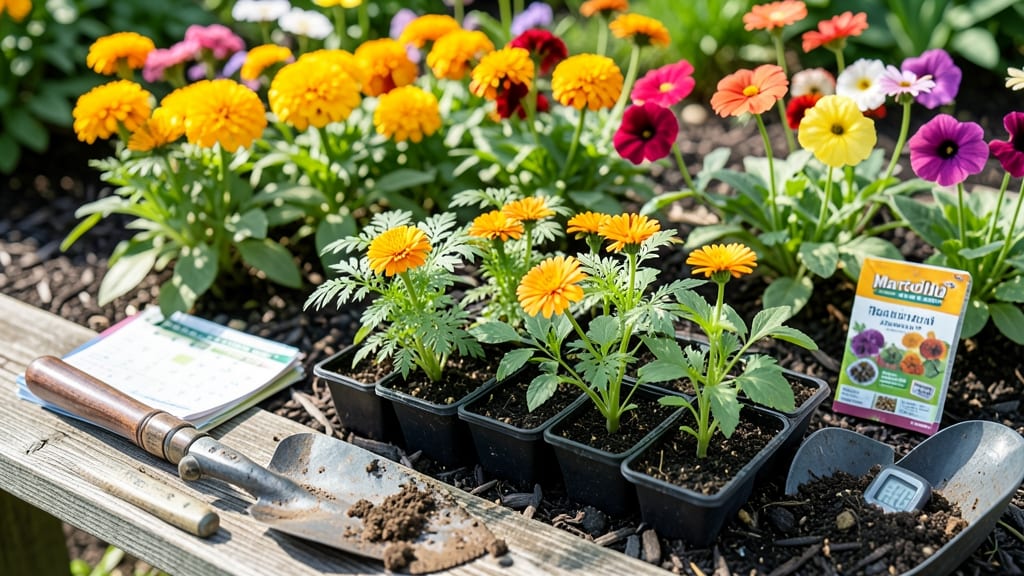
Timing your flower seeds planting in Indiana can mean the difference between a garden bursting with 🌸 color and one that fizzles before summer’s peak.
With USDA Zone 6a frost dates looming, getting seeds in the ground too early risks frost damage, while planting too late might leave you watching neighbors’ blooms instead of your own.
I’ve spent years perfecting the schedule for Indiana’s unpredictable spring weather, and the key is understanding your local frost dates—typically around April 15—while matching flower types to their ideal planting windows.
Cool-season bloomers like pansies can handle early starts, but heat-loving zinnias need to wait until soil warms to 60°F or risk stunted growth.
In this guide, you’ll discover the exact months to plant flower seeds for year-round color, from early spring annuals to late-summer perennials, plus how to adjust for Indiana’s microclimates.
Whether you’re a first-time gardener or a seasoned pro, these insights will help you avoid common mistakes and extend your bloom season.
Ready to transform your garden? Let’s dive into the perfect planting timeline for Indiana’s climate, so you can enjoy vibrant flowers from spring through fall without the guesswork.
Indiana flower seed planting calendar by month: USDA Zone 5-6 breakdown
Indiana’s USDA Zones 5–6 offer a 165-day frost-free season, making careful timing critical for flower seeds. The last average frost typically hits around April 15, while the first frost arrives by October 15.
This window shapes when to sow cool-season flowers (like pansies) versus warm-season varieties (such as zinnias).
For cool-season annuals, I start sowing seeds 4–6 weeks before the last frost—usually in March. These hardy flowers (e.g., snapdragons, sweet peas) thrive in 50–60°F soil and can even handle light frosts.
Meanwhile, warm-season flowers like marigolds and sunflowers wait until after May 1, when soil temps hit 60°F+.
Perennials like coneflowers and black-eyed Susans are a bit more flexible. I plant their seeds in late spring (May) or even early summer (June) for fall blooms, as they establish roots more slowly.
Biennials, such as foxgloves, get a head start in late summer (August) to develop strong roots before winter.
| Month | Flowers to Plant | Soil Temp | Bloom Window |
|---|---|---|---|
| March | Pansies, Sweet Alyssum, Snapdragons | 45–55°F | Spring–Early Summer |
| April | Calendula, Nasturtiums, Larkspur | 50–60°F | Late Spring–Fall |
| May | Marigolds, Zinnias, Sunflowers | 60°F+ | Summer–Fall |
| June | Cosmos, Black-Eyed Susans, Coneflowers | 65°F+ | Late Summer–Fall |
| August | Foxgloves, Hollyhocks, Biennials | 55–65°F | Next Year (Spring) |
Don’t overlook succession planting—a technique I swear by for non-stop blooms. For example, I sow zinnias every 2 weeks from May to July to ensure fresh flowers until frost.
Similarly, cosmos self-seed, so I let some go to seed in late summer for next year’s low-maintenance blooms.
Indiana’s late-spring frost risks (especially in Zone 5) mean I always check the National Weather Service for 10-day forecasts before planting tender seeds. A frost cloth is my go-to for protecting seedlings if a 28°F night is forecasted.
For urban gardeners, microclimates near buildings or pavement can delay frost by 1–2 weeks, so adjust accordingly.
Fall planting is another game-changer. I direct-sow pansies and calendula in September for winter color and early spring blooms. These cool-season flowers handle light frosts and even snow cover, making them perfect for extending your garden’s season.
Just avoid planting after October 1, or seedlings may not establish before winter.
For perennials like coneflowers, I start seeds indoors in March under grow lights, then transplant them after the last frost. This head start gives them a 2–3 month advantage over direct-sown seeds, leading to larger blooms and faster establishment.
I always harden off seedlings for 7–10 days before moving them outside to prevent transplant shock.
Pro tip: Use a soil thermometer to confirm temps before planting. Warm-season flowers (like marigolds) won’t germinate below 60°F, while cool-season varieties (like lettuce-family flowers) may rot in 70°F+ soil. Adjust your schedule based on real-time data, not just calendar dates.
Finally, remember that Indiana’s humidity and variable weather can delay germination. I always keep seeds moist but not soggy and use seed-starting mix (not garden soil) for faster sprouting. With the right timing, your Indiana garden can burst into color from spring pansies to fall asters!
How to adjust planting times for Indiana’s microclimates and frost quirks
Indiana’s USDA Zones 5–6 create unique challenges—urban heat islands can delay frost, while rural areas may experience earlier freezes. Always check your local last frost date (typically April 15 but varies by county).
For example, Northern Indiana (Zone 5) often faces frost until May 10, while Southern Indiana (Zone 6) may be safe by April 1.
Use microclimate maps or ask local nurseries for precise guidance. If you’re in a low-lying area, frost lingers longer due to cold air settling. Conversely, south-facing slopes warm up faster, allowing earlier planting of warm-season flowers like zinnias or sunflowers.
Never plant tender seeds (e.g., marigolds, cosmos) before May 15 in most of Indiana. Use row covers or wait until soil stays above 60°F for 7+ days. Check the National Weather Service for 10-day forecasts before sowing.
Extend your bloom season with succession planting. For annuals like zinnias, sow seeds every 2–3 weeks from May through July. This ensures continuous color until frost. Biennials (e.g., foxglove, hollyhock) should be planted in late summer (August) to establish roots before winter.
Urban gardeners face extra heat from concrete and pavement, which can dry out seeds faster. Use mulch to retain moisture and plant shade-tolerant flowers (e.g., impatiens, begonias) near buildings.
Rural areas benefit from looser soil—amend clay with compost to improve drainage for delicate perennials like black-eyed Susans.
Common mistakes include planting cool-season flowers (e.g., pansies, snapdragons) too late or warm-season flowers too early. Always harden off seedlings for 7–10 days before transplanting outdoors. For Indiana’s variable climate, err on the side of planting later rather than risking frost damage.
Pro tip: Mark your calendar for Indiana’s average first frost (October 15). Use this date to plan fall-blooming perennials (e.g., asters, chrysanthemumscool-season annuals like calendulas. With these adjustments, your garden will thrive despite Indiana’s unpredictable weather! 🌱