
Trees
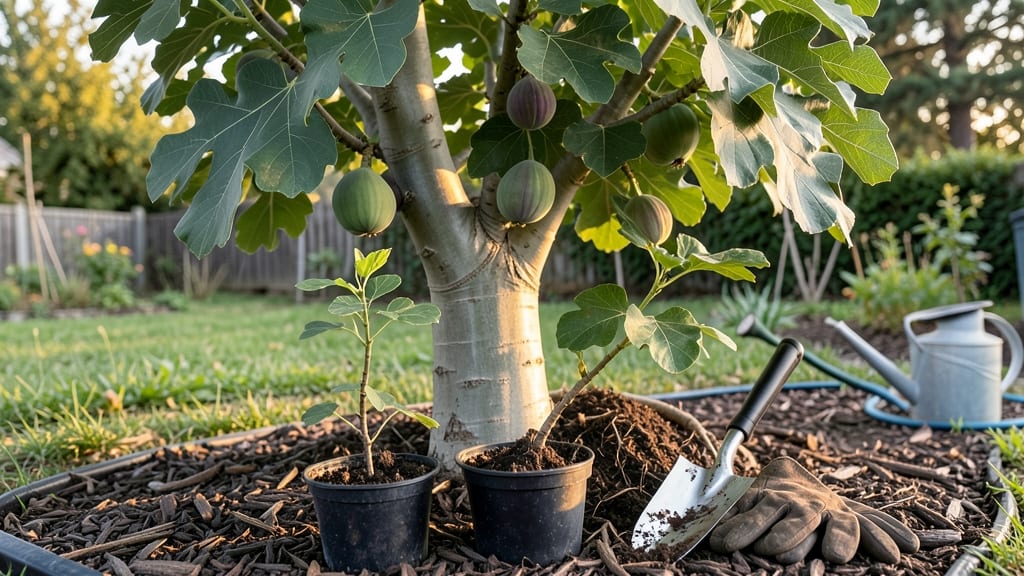
Timing your fig tree planting in North Carolina could mean the difference between a thriving 🍈 harvest and wasted effort. Plant too early, and a late frost will zap your young saplings before they even take root.
Too late, and your tree won’t establish strong roots before winter sets in—leaving it vulnerable to cold damage.
Luckily, NC’s 6a-8b zones offer two perfect windows: late March through early April (after the last frost) or September to October for fall planting. These exact months align with your region’s unique microclimates, whether you’re in the Coastal Plain, Piedmont, or Mountains.
I’ll break down which window works best for your specific location and how to prepare your soil for maximum success.
Fig trees love warmth but hate surprises—like unexpected freezes. That’s why understanding your local frost dates is the key to planting at the right time. We’ll cover everything from soil temperature checks to choosing between bare-root and container-grown figs, so you can give your tree the best possible start.
Ready to plant with confidence?
Whether you’re a first-time gardener or a seasoned grower, these insights will help you avoid common mistakes and set your fig tree up for years of sweet, homegrown fruit. Let’s get your planting schedule locked in for a bountiful harvest.
Best months to plant fig trees in North Carolina by region
North Carolina’s diverse climate—from the Coastal Plain to the Mountains—means fig trees thrive in different windows. Fig trees (Ficus carica) need 60-80°F soil temps to root properly, so timing varies by zone.
I’ll break down the best months for each region, including frost risks and soil prep tips.
For Coastal NC (Zones 8a-8b), the safest planting window is mid-March to early April after the last frost (usually March 15). This gives young roots time to establish before summer heat. Fall planting is also ideal from September 15 to October 15.
In the Piedmont (Zones 7a-7b), wait until late April to early May for spring planting—frost dates here can linger until April 1. Fall planting shifts to September 1 to October 1, allowing roots to settle before winter.
The Mountains (Zones 6a-7a) have the shortest window: plant May 15 to June 1 in spring or September 1 to September 15 in fall. Late frosts here can kill young trees, so avoid early spring planting.
Bare-root vs. container-grown figs also affect timing. Bare-root trees need soil temps above 60°F and should go in 2-3 weeks after last frost. Container-grown figs adapt better and can plant 2 weeks earlier since their roots aren’t shocked by soil temps.
🌱 Pro Tip: Use a soil thermometer to confirm temps—fig roots won’t grow below 60°F. If planting in fall, do it 6-8 weeks before first frost (NC’s average is November 15, but Mountains frost earlier).
| Region | USDA Zone | Spring Planting Window | Fall Planting Window | Last Frost Date | Soil Temp Goal |
|---|---|---|---|---|---|
| Coastal NC | 8a-8b | Mid-March to Early April | September 15-October 15 | March 15 | 60-65°F |
| Piedmont | 7a-7b | Late April-Early May | September 1-October 1 | April 1 | 65-70°F |
| Mountains | 6a-7a | May 15-June 1 | September 1-September 15 | May 1 | 70-75°F |
Fall planting often yields faster fruit production the next year because trees focus on root growth instead of foliage. If you’re in Zone 7a (Mountains), opt for cold-hardy varieties like ‘Celeste’ or ‘Brown Turkey’, which tolerate 10-15°F dips.
🌿 Warning: Avoid planting fig trees in low-lying areas—cold air sinks, increasing frost risk. Choose a south-facing slope or raised bed to warm soil faster in spring. Container growing is also a great option for colder zones.
After choosing your window, amend the soil with compost and sand to improve drainage—fig trees hate soggy roots. In my next section, I’ll walk you through the exact soil prep steps for NC’s clay-heavy soils to set your fig tree up for success.
How to prepare your North Carolina soil for fig tree success
North Carolina’s clay-heavy soils can be a double-edged sword for fig trees—too dense, and roots suffocate; too sandy, and they dry out too fast. The key is creating a well-draining, nutrient-rich environment that mimics fig trees’ Mediterranean homeland.
Start by testing your soil’s pH (6.0-7.0 ideal) and adjusting it with lime (to raise pH) or sulfur (to lower it) if needed.
Fig trees thrive in loamy, slightly acidic soil with plenty of organic matter. If your soil is compacted, amend it with compost (3-4 inches) or well-rotted manure mixed into the top 12 inches.
This improves aeration and water retention without smothering roots. For container growing, use a 50/50 mix of potting soil and perlite to prevent soggy roots.