
Plants
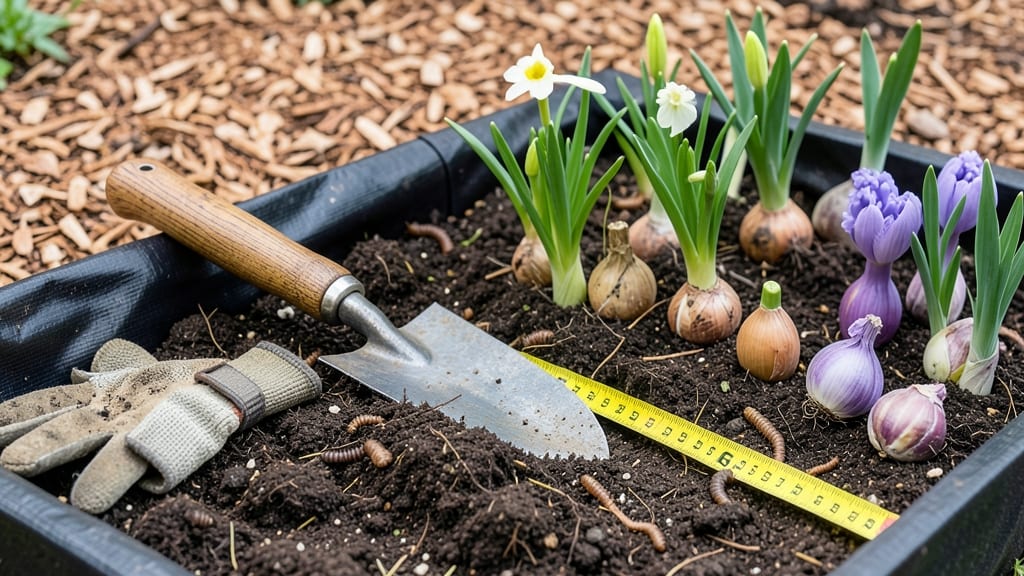
Timing your bulbs (General) 🌷 planting in North Carolina can mean the difference between a dazzling spring display and a missed opportunity. The key isn’t just throwing bulbs into the ground—it’s understanding your USDA zone (whether you’re in the cooler mountains or warmer coast) and aligning planting with frost dates.
Most gardeners know fall is the prime window for planting bulbs (General), but did you know the exact months vary by region? In western NC’s 6b-7a zones, you’ve got until late November, while coastal gardeners in 8a should plant by October.
Get this wrong, and your tulips might bloom too early—or not at all.
What you’ll discover here are the precise planting windows for every type of bulb, from daffodils to crocuses, tailored to NC’s climate. Plus, I’ll share pro tips to avoid common mistakes like soggy soil or hungry squirrels raiding your garden before the first frost.
Ready to transform your yard into a year-round bloom parade? Let’s dive into the exact schedule that’ll have your bulbs (General) 🌷 thriving—and your neighbors asking for your secrets.
North Carolina bulb planting calendar by USDA hardiness zones 7a-8b
North Carolina’s diverse climate—from the cool mountains to the warm coastal plains—means bulb planting times vary by USDA zone. Most gardeners focus on fall planting for spring blooms, but summer bulbs also thrive here.
Let’s break down the exact month-by-month schedule for your zone to ensure bold, reliable blooms every season.
For USDA Zone 7a (common in the Piedmont), aim to plant spring-flowering bulbs like tulips and daffodils between October 15 and November 15. In Zone 8b (coastal areas), extend your window until December 1 to avoid winter rains.
Summer bulbs, like dahlia tubers, should go in the ground by late July to establish roots before heat sets in.
🌷 North Carolina Bulb Planting Summary Table
| Bulb Type | Zone 7a (Piedmont) | Zone 8a (Coastal) | Key Notes |
|---|---|---|---|
| Tulips | Oct 15–Nov 15 | Nov 1–Dec 1 | Plant deep (6"–8") for moisture retention. |
| Daffodils | Oct 1–Nov 15 | Nov 1–Dec 15 | Deer-resistant; great for borders. |
| Crocus | Oct 1–Nov 1 | Nov 1–Dec 10 | Early bloomers; naturalize easily. |
| Hyacinths | Oct 15–Nov 15 | Nov 15–Dec 1 | Fragrant; plant in clusters for impact. |
| Summer Bulbs (Dahlias) | Jul 15–Aug 15 | Jul 1–Aug 10 | Stake tall varieties; mulch heavily. |
⚠️ Zone 6b (Western NC): Plant 4–6 weeks earlier than Zone 7a to avoid early freezes.
If you’re in Zone 7a, don’t wait until November 15—soil temperatures drop faster in the mountains. Use a soil thermometer to confirm 50°F soil temps before planting. For Zone 8a, coastal gardeners can push planting to early December, but avoid soggy soil to prevent rot.
For summer-blooming bulbs like calla lilies or gladiolus, start in late July to give roots time to establish before August heat. These bulbs need well-draining soil—amend heavy clay with compost or sand to prevent waterlogging.
Pro tip: Mark your calendar with frost dates. In Zone 7a, the average first frost is November 15, so plant by October 15 for a 6-week root-growth window. In Zone 8a, where frosts are rare, focus on soil moisture rather than frost timing.
Don’t forget fall-planted bulbs like alliums and frit
Best fall-planted bulbs for North Carolina winters (and when to order)
North Carolina’s mild winters make it perfect for fall-planted bulbs that promise springtime color. But timing matters—order bulbs too early, and they’ll sprout prematurely. Too late, and they won’t establish roots before frost. Here’s my expert-approved schedule for NC gardeners.
Start by focusing on hardy varieties like daffodils and tulips, which thrive in NC’s USDA Zones 7a-8b. These bulbs need 6-8 weeks to root before winter, so aim to plant them October through December.
Coastal areas (Zone 8b) can plant slightly later—even into early January—while mountain regions (Zone 7a) should finish by mid-November.
🌱 When to Order Bulbs for NC Winters
- August-September: Order tulips and hyacinths for early fall planting.
- October: Purchase daffodils and alliums—they store well and root quickly.
- November-December: Grab crocuses and snowdrops for late-season color.
- January (Coastal): Last chance for tender bulbs like dahlias (plant after last frost).
💡 Pro Tip: Store bulbs in a cool, dark place (50-60°F) until planting to prevent sprouting.
For long-lasting blooms, prioritize daffodils—they’re deer-resistant and return year after year. Tulips need annual replanting but offer bold, show-stopping colors. If you love fragrance, hyacinths and grape hyacinths are must-haves for early spring.
One common mistake? Buying bulbs too early and storing them improperly. Moisture and heat can cause sprouting, so avoid refrigeration (unless you’re a pro). Instead, keep them in a well-ventilated box with paper towels to absorb humidity. Check weekly for soft spots or mold—discard any compromised bulbs immediately.
Don’t overlook lesser-known bulbs like fritillaria (snake’s head) or muscari (grape hyacinth). These thrive in NC’s climate and add unique textures to your garden. For containers, choose miniature daffodils or tulips—they bloom earlier and fit small spaces perfectly.
Remember: Soil temperature is your best guide. Once it drops to 60°F, it’s time to plant. Use a soil thermometer to track progress—this ensures roots establish before winter sets in. With the right bulbs and timing, your NC garden will burst into color months before summer arrives! 🌷