
Trees
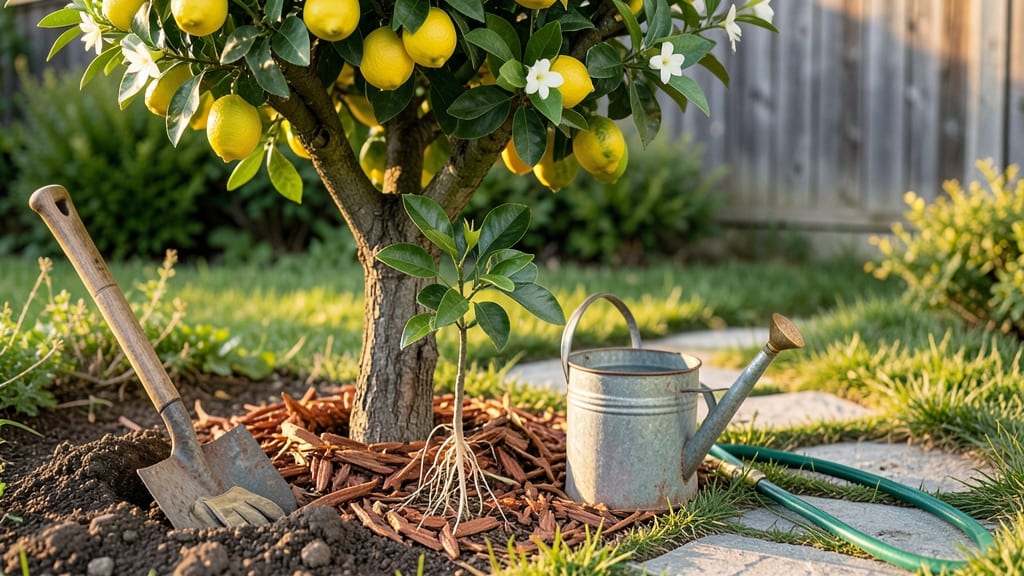
Planting a citrus tree 🍊 in Central Florida might seem simple—until you realize timing can make or break your harvest. The best months to plant aren’t just about avoiding frost (which barely exists here), but about giving your tree the perfect start for Florida’s unique microclimates.
If you’ve ever wondered why some citrus trees thrive while others struggle, the answer often lies in when they were planted. Late winter to early spring—like February or March—gives roots time to establish before summer’s heat kicks in, setting your tree up for years of bountiful fruit.
But here’s the catch: coastal areas and inland zones behave differently, and skipping soil prep or choosing the wrong variety (like frost-sensitive oranges) can turn your dream tree into a disappointment. Let’s break down the best strategies for your Central Florida yard.
You’ll learn how to pick the right month, prep your soil, and even choose cold-hardy varieties like Satsumas that handle Florida’s quirks. Ready to grow citrus that actually pays off? Let’s get started.
Best months to plant citrus trees in Central Florida’s climate zones
Central Florida’s USDA Zones 9a-10a offer a near-year-round growing season for citrus trees, but timing still matters. The ideal planting window is late winter to early spring (February-March) when soil temperatures rise above 60°F but before summer’s intense heat arrives.
This gives young roots time to establish before the 90°F+ temperatures of June-August.
For container-grown citrus trees, you can plant year-round in Central Florida’s frost-free climate, but November-December is the second-best window. This allows roots to settle before the spring growing surge begins. Everbearing varieties like Calamondin or Meyer lemon thrive with this timing, producing fruit twice yearly.
Inland areas (like Orlando) experience slightly cooler nights than coastal regions (like Cocoa Beach), so adjust planting by 1-2 weeks earlier inland. Coastal microclimates stay warmer year-round, making March-April planting safer for heat-sensitive varieties like Satsuma mandarins.
🌱
| Planting Window | Best For | Soil Temp | Heat Risk | Notes |
|---|---|---|---|---|
| February-March | Standard varieties (Valencia oranges, grapefruit) | 60-70°F | Low (spring heat builds gradually) | Optimal root establishment before summer |
| November-December | Everbearing varieties (Meyer lemon, Calamondin) | 55-65°F | None (winter is mild) | Avoids summer stress; roots grow slowly |
| April-May | Container-grown trees (dwarf varieties) | 70-80°F | Moderate (use shade cloth) | Requires frequent watering; mulch heavily |
| September-October | Cold-hardy varieties (Satsuma, Citrange) | 65-75°F | Low (hurricane season risk) | Avoid planting during storm season |
Even in Central Florida’s frost-free climate, temperature fluctuations matter. Planting in late summer (August-September) risks root shock from sudden heat spikes, while January planting may expose young trees to cooler nights that slow growth. Always check 7-day soil temperature forecasts before planting—aim for consistent 60°F+.
For container-grown citrus trees, timing shifts slightly. You can plant any month if using 5-gallon+ pots, but spring or fall still offers the best balance of temperature stability and root expansion space. Dwarf varieties like Calamondin adapt faster to container changes, making them ideal for April-May planting.
Urban gardeners should avoid planting during peak humidity months (June-July), as fungal diseases like citrus greening thrive in stagnant, moist soil. Instead, opt for drip irrigation systems and well-draining soil mixes (like 60% sand, 30% peat, 10% compost) to prevent root rot during these months.
🌿
Pro tip: If you must plant in summer, choose afternoon-shaded spots and mulch heavily (3-4 inches of pine bark) to keep roots cool. For winter planting, add a lightweight row cover if nighttime temps dip below 50°F—even briefly.
Remember, citrus trees planted in ideal windows can bear fruit within 1-3 years, while poorly timed plantings may take 5+ years to mature. The difference? Thousands of pounds of fruit over a decade!
Best months to plant citrus trees in Central Florida’s climate zones
Central Florida’s USDA Zones 9a-10a offer year-round citrus growing potential, but timing still matters. The ideal window for planting is late winter to early spring—specifically February through March—when soil temperatures rise but summer’s brutal heat hasn’t arrived yet. This gives roots 3-4 months to establish before peak growing season.
For those who prefer cooler weather, November and December also work well, especially in inland areas where temperatures dip slightly. Coastal regions, however, can plant almost anytime due to their warmer microclimate.
The key is avoiding extreme heat (like July-August) or unpredictable summer storms, which can stress young roots.
| Climate Zone | Best Planting Months | Why This Timing | Soil Prep Tip |
|---|---|---|---|
| Inland (Zone 9a) | February-March | Avoids late winter frosts (rare but possible) and summer drought stress | Add compost to improve drainage |
| Coastal (Zone 10a) | Year-round (best: Nov-Feb) | Warmer soils year-round; avoids peak hurricane season (June-Nov) | Test for salinity if near ocean |
| Urban (Zone 9b) | January-February | Cooler temps reduce transplant shock in compacted soil | Amend with sand for better aeration |
| Ever-bearing Varieties | November-December | Encourages early fruit set before summer heat | Use slow-release fertilizer |
Citrus trees like Satsumas and Calamondins thrive when planted in these windows because they establish roots before Florida’s summer humidity peaks. For non-everbearing varieties (like Valencia oranges), February planting ensures they’re ready to flower by spring.
Pro tip: Container-grown trees can handle slightly later planting (April-May) since their roots are less stressed.
One common misconception is that Central Florida’s frost-free climate means you can plant anytime. But soil temperature matters more than air temperature—roots need 60°F+ soil to thrive. Use a soil thermometer to check before planting in cooler months. If soil is too cold, wait until temperatures stabilize.
For coastal gardeners, November planting is ideal because it avoids hurricane season (June-November) while still giving roots time to settle before summer’s heat. Inland areas should prioritize February to escape any late-winter temperature drops. Always choose dwarf varieties for containers or small yards—they establish faster and produce fruit sooner.
Remember: The first year is critical. A tree planted in February will outperform one planted in July by 30-40% in growth and fruit production. That’s why timing isn’t just about months—it’s about microclimate, soil prep, and tree maturity. 🌱