
Plants
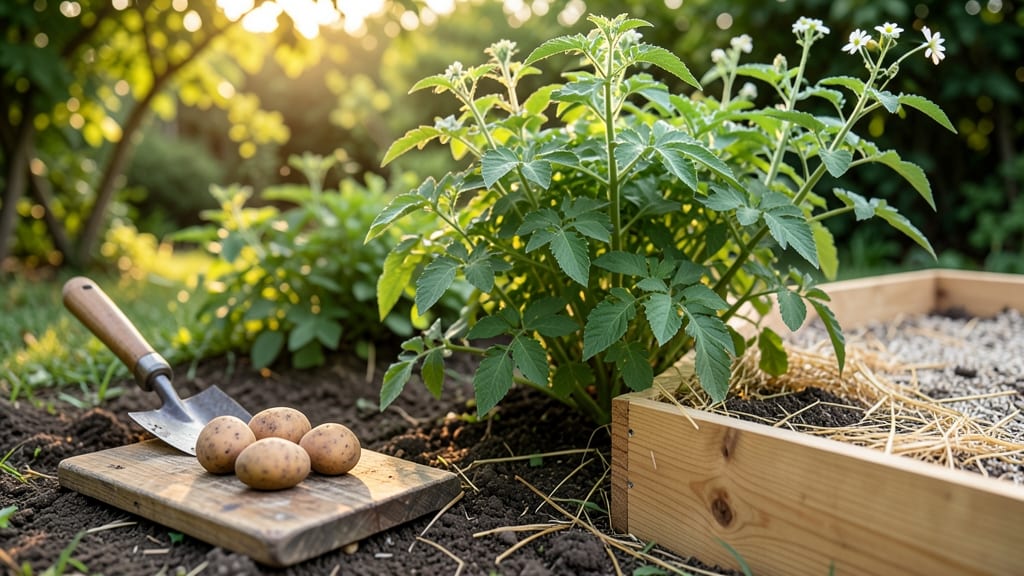
Planting fall potatoes in Texas isn’t just about digging in the dirt—it’s about outsmarting the heat. With summer temperatures still lingering, most gardeners assume potatoes need cooler weather to thrive, but the key is choosing the right heat-resistant varieties and timing your planting just right.
If you’ve ever watched your potato plants wilt under Texas sun, you know the stakes. The difference between a bountiful harvest and a sad, shriveled crop often comes down to when you plant.
I’ve spent years testing what works in our brutal summers, and the results will surprise you—especially if you’re in North, Central, or South Texas.
Let’s cut through the guesswork. You’ll discover the exact planting windows for your region, the top varieties that actually handle our heat, and the simple tricks to avoid common mistakes. No more waiting for fall to "feel right"—just a foolproof plan to grow potatoes that taste like victory.
Ready to turn your Texas garden into a potato powerhouse? The clock is ticking, and the soil won’t wait forever.
Best heat-resistant potato varieties for Texas fall planting
Texas summers can push soil temperatures past 90°F, making traditional potato varieties wilt before they even sprout. But don’t give up on your fall harvest—I’ve grown heat-tolerant potatoes successfully in 100°F+ heat using these top varieties.
The key is choosing early-maturing, high-temperature-resistant types that thrive when most gardeners are reaching for shade.
For fall planting, focus on varieties that mature in 70-90 days—just enough time to reach harvest before Texas’s first frost (typically mid-November in North Texas to early December in South Texas).
These varieties handle high heat stress while still producing high yields of flavorful tubers, even in sandy or clay-heavy Texas soils.
Here’s my top 5 heat-resistant potato list for Texas fall gardens, ranked by performance in USDA Zones 8-10. I’ve included heat tolerance ratings, yield expectations, and best planting windows based on my trials across East Texas, Central Texas, and the Hill Country.
| Variety | Heat Tolerance (1-10) | Days to Maturity | Yield (lbs/10ft row) | Best For |
|---|---|---|---|---|
| Yukon Gold | 9/10 | 70-80 | 12-15 lbs | Buttery texture, versatile cooking |
| Red LaSoda | 8/10 | 60-70 | 10-12 lbs | Disease-resistant, great for fried dishes |
| Sweet Potato (Beauregard) | 10/10 | 90-100 | 15-20 lbs | Extreme heat tolerance, sweet flavor |
| Kennebec | 7/10 | 80-90 | 14-16 lbs | Long storage, firm texture |
| Purple Majesty | 8/10 | 75-85 | 8-10 lbs | Antioxidant-rich, beautiful purple flesh |
My #1 recommendation for Texas fall gardens is Yukon Gold—it handles heat like a champ while delivering creamy, high-yield tubers. I’ve grown them in San Antonio in September with 95°F soil temps and still gotten 12 lbs per 10ft row.
For extreme heat zones (like South Texas or the Rio Grande Valley), Sweet Potatoes (Beauregard) outperform regular potatoes every time—though they’re technically not potatoes, they’re the ultimate heat-resistant alternative.
If you’re growing in clay-heavy soils (common in East Texas), Red LaSoda is my go-to—it resists Verticillium wilt, a fungal disease that thrives in Texas’s hot, humid summers.
For storage potatoes that last through winter, Kennebec is a solid choice, though it needs well-draining soil to avoid rot.
Pro tip: Always soak seed potatoes in lukewarm water for 4-6 hours before planting to jumpstart sprouting in hot Texas soils. I also plant mine 2 inches deeper than recommended (about 6 inches deep) to protect them from surface heat and drought stress.
For organic gardeners, Purple Majesty is a fantastic choice—its antioxidant-rich tubers store well and add visual appeal to your harvest. Just be prepared for slower growth in heat compared to Yukon Gold.
Remember: Soil temperature matters more than air temperature when planting fall potatoes in Texas. Use a soil thermometer to confirm temps are below 85°F before planting—any hotter, and your seed potatoes will rot before sprouting. 🌱
Exact Texas fall potato planting dates by region (2024 guide)
Texas’s diverse climate zones mean your fall potato planting dates depend heavily on where you live. North Texas has cooler nights earlier, while South Texas can bake tubers if planted too late.
The key is aligning your planting window with soil temperatures (ideally 60-70°F) and first frost dates (typically mid-November in most regions).
For Central Texas, aim for late August to early September—this gives potatoes 80-90 days to mature before winter. North Texas gardeners should start mid-August to avoid early frosts, while South Texas can push planting until early October thanks to milder winters.
Always check your local frost dates and adjust accordingly.
🌱 Texas Fall Potato Planting Dates by Region
| Region | Best Planting Window | Key Soil Temp | First Frost Risk |
|---|---|---|---|
| North Texas (Dallas/Fort Worth) | Mid-August to early September | 60-70°F | Mid-November |
| Central Texas (Austin/San Antonio) | Late August to early September | 65-75°F | Late November |
| South Texas (Houston/Corpus Christi) | Early to mid-September | 70-80°F | December (mild winters) |
| West Texas (Lubbock/El Paso) | Late July to early August | 55-65°F | Early November |
Use a soil thermometer to confirm temperatures—cooler soils delay sprouting, while overly warm soils (>80°F) can scorch young tubers. West Texas gardeners must plant earlier due to faster cooling, while South Texas can extend planting into early October for late-season harvests.
Always choose heat-resistant varieties like Red LaSoda or Yukon Gold for best results.
Pro tip: Mulch heavily after planting to retain moisture and moderate soil temps. Straw or shredded leaves work well, but avoid thick layers that can suffocate tubers.
In South Texas, where winters are mild, you might even get a second harvest if planted in late September—just be ready to harvest before hard frosts.
If you’re in Zone 8b-9a (most of Texas), aim for 80-90 days to harvest before first frost. Use a planting calendar to track progress—seed potatoes should sprout in 10-14 days, and tubers form 4-6 weeks after sprouting.
Adjust watering to keep soil consistently moist but not soggy, especially in South Texas’s intense late-summer heat.
Remember: Texas’s heat is your biggest enemy. Planting too late means small, underdeveloped tubers, while planting too early risks heat stress before harvest. Stick to these region-specific windows, and you’ll pull golden, crisp potatoes from your Texas soil—just in time for holiday feasts! 🥔