
Plants
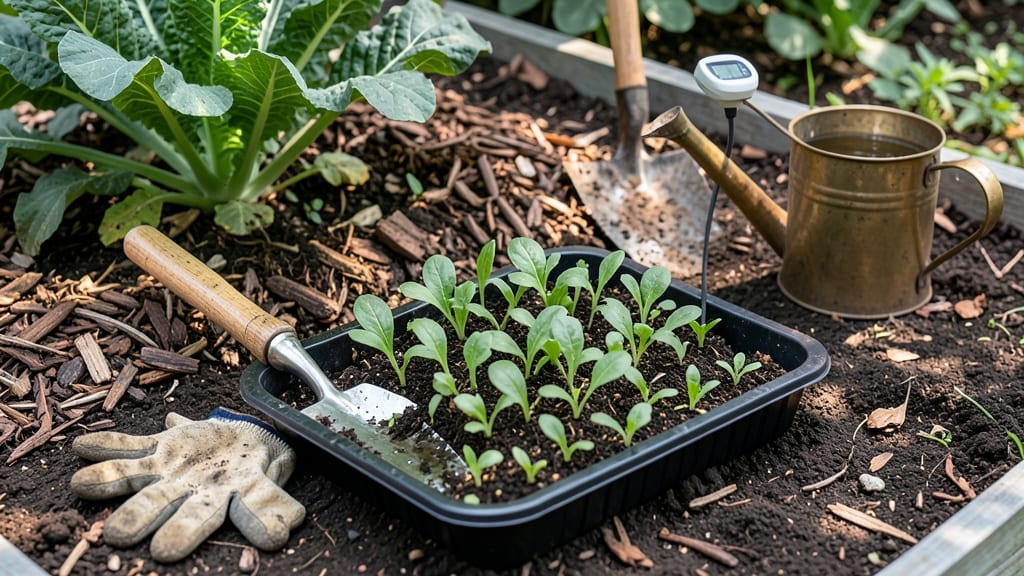
If you’ve ever planted 🥬 collards in Alabama only to watch them bolt in summer heat or wilt before frost, you’re not alone. The key to success lies in timing—because Alabama’s mild winters and long growing season mean your planting window is wider (and trickier) than you think.
Most gardeners assume collards are strictly a cool-season crop, but Alabama’s 7b-8b climate lets you start them as early as late August for a fall harvest or even transplant in March for spring growth.
The trick? Avoiding the brutal summer heat while maximizing frost-free days. I’ll show you the exact dates that work for North, Central, and South Alabama—plus the heat-resistant varieties that actually thrive here.
You’ll discover why fall planting (August–October) is your best bet for tender greens, how to extend harvests into winter with simple tricks, and which collard types handle Alabama’s humidity like pros. No more guessing—just a foolproof schedule that turns your garden into a year-round collard powerhouse.
Ready to grow collards that stay crisp, flavorful, and productive all season? Let’s dive into the planting calendar that’s already working for Alabama’s top gardeners—so you can finally stop fighting the heat and start harvesting.
Best planting dates for collards in Alabama: avoiding heat & frost
Alabama’s USDA Zones 7b-8b create a unique challenge for growing collards. Unlike northern states, we don’t get harsh winters—just mild winters and brutal summers. The key is planting when soil temps stay below 85°F but before first frost (usually mid-March).
This means two main planting windows: late summer for fall harvests and early spring for spring harvests.
For most of Alabama, the ideal transplant window is August 15–September 15 for fall harvests. This gives plants 60–80 days to mature before first frost. In North Alabama (Zone 7b), where frosts arrive earlier, start by August 1.
Meanwhile, South Alabama (Zone 8b) gardeners can push planting until September 30.
Spring planting is trickier. Collards are a cool-season crop, so planting too early (before February) risks bolting from heat. The safest window is February 15–March 15, when soil temps dip below 75°F. In Central Alabama, aim for late February to avoid summer’s worst heat.
Here’s the critical rule: Never plant collards when soil temps exceed 85°F. Use a soil thermometer to check—if it’s hotter, wait. Heat stress causes bitter leaves and poor growth. In Alabama’s humid summers, this usually means no June or July plantings unless you’re using shade cloth.
Frost dates vary by region. North Alabama sees first frost by November 15, while South Alabama rarely drops below freezing. Use these frost-free days to plan: 210 days in North Alabama vs. 240 days in the South.
This means South Alabama can sometimes squeeze in a late fall transplant (around October 15) for a winter harvest.
Pro tip: Direct sowing (planting seeds directly in the ground) works best in Alabama’s climate. Transplants struggle with heat stress after being nursery-grown in cooler conditions. If you must transplant, harden off seedlings for 10–14 days before setting them out.
Now, let’s break down the exact planting schedule by Alabama region, including soil temp guidelines and frost risks.
🌱 Alabama Collard Planting Schedule by Region
| Region | Best Transplant Window | Soil Temp Range | Frost Risk | Harvest Window |
|---|---|---|---|---|
| North Alabama (Zone 7b) | August 1–15 (Fall) / February 20–March 15 (Spring) | 60–75°F (Fall) / 50–65°F (Spring) | First frost: Nov 15 | October–March |
| Central Alabama (Zone 7b-8a) | August 15–September 1 (Fall) / February 28–March 15 (Spring) | 65–80°F (Fall) / 55–70°F (Spring) | First frost: Nov 22 | October–March |
| South Alabama (Zone 8b) | September 1–30 (Fall) / March 1–15 (Spring) | 70–85°F (Fall) / 60–75°F (Spring) | Light frost possible Dec–Jan | September–April |
⚠️ Never plant when soil temps exceed 85°F—collards bolt or wilt.
If you’re in South Alabama, you can sometimes get away with a late summer transplant (around July 15) using shade cloth to protect seedlings. However, this is risky due to humidity and pests.
For most gardeners, sticking to the August–September window ensures sweeter, more tender leaves and avoids the heat stress that turns collards bitter.
For spring plantings, focus on February–March. Collards planted in January may bolt by April as temps rise. To extend your harvest, use row covers in late winter to protect plants from unexpected cold snaps.
In North Alabama, this is especially critical—temperatures can swing from freezing nights to 70°F days.
One Alabama-specific tip: If you miss the fall window, don’t despair. Collards are perennial in warm climates, so a late fall transplant (even in October) can survive mild winters and produce small harvest
Best planting dates for collards in Alabama: avoiding heat & frost
Alabama’s 7b-8b climate gives you two prime windows to plant 🥬 collards: late summer for fall harvests and early spring for spring growth. The biggest mistake I see?
Planting in June or July—your collards will bolt faster than you can say "Southern heat." Instead, aim for August–October or February–March when soil temps stay cool.
Your last frost date (mid-November in most zones) and first frost date (mid-March) are your anchors. For a fall harvest, start seeds 4–6 weeks before your last frost—that’s typically mid-August to early September in North Alabama and late August in Central/South Alabama.
Spring planting? Transplant seedlings 4–6 weeks before your last frost, so late February to early March works perfectly.
Here’s the breakdown by Alabama region—because North Alabama’s cooler temps let you plant slightly later than South Alabama’s heat:
| Region | Fall Planting Window | Spring Planting Window | Soil Temp Goal (°F) |
|---|---|---|---|
| North Alabama (Huntsville, Decatur) | Mid-August – Early September | Late February – Early March | 55–65°F |
| Central Alabama (Birmingham, Montgomery) | Late August – Early September | Early March | 60–70°F |
| South Alabama (Mobile, Dothan) | Late July – Early August | Mid-February – Early March | 65–75°F |
Pro tip: Use a soil thermometer—collards thrive when soil temps stay below 80°F. If your August soil hits 85°F+, wait until September. And if you’re planting in containers, they’ll warm up faster—so adjust your timeline 2–3 weeks earlier for container-grown collards.
For a year-round harvest, try this trick: Plant a second batch in October (using heat-resistant varieties like 'Georgia Southern') and protect them with row covers when temps dip below 30°F. I’ve extended my harvest into January this way—just add a lightweight frost blanket on cold nights.
The secret? Succession planting every 3 weeks after your initial batch.
Remember: Alabama’s humidity is your friend here. Unlike Northern states, you won’t need to worry about drought stress—just consistent moisture and well-draining soil. Amend your beds with compost before planting, and mulch with straw to keep roots cool.
With these dates locked in, you’re ready for collards that stay tender all season—no more sad, bolted plants!