
Plants
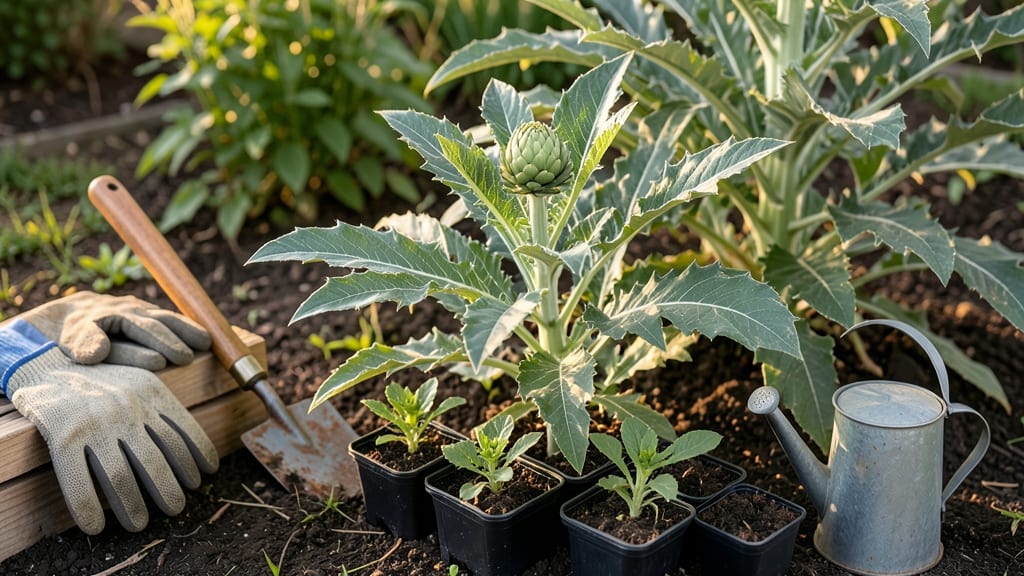
When to plant artichokes in Texas isn't just about picking a month—it's about outsmarting the heat and avoiding the brutal summer sun that can turn your plants into crispy snacks. If you've ever watched your artichoke 🌿 seedlings wilt under Texas skies, you know timing is everything.
Here's the secret: Texas gardeners get two shots at success—plant in fall (October-November) or spring (February-March), when temperatures are milder and frost isn't lurking. The key is beating the heat by establishing strong roots before summer arrives, whether you're in frost-prone North Texas or balmier South Texas.
I've grown artichokes in USDA zones 8a-10b for years, and the difference between a thriving plant and a sad, sunburned one comes down to these exact planting windows. Let me show you how to nail it—plus the heat-resistant varieties that actually survive our summers.
Ready to turn your backyard into an artichoke oasis? We'll cover regional timing, soil prep, and the 3 biggest mistakes Texas gardeners make (and how to avoid them). Your first harvest could be just 4 months away!
Best planting times for artichokes in Texas by region (exact dates & climate zones)
Texas’s vast climate zones—from chilly North Texas to balmy South Texas—mean artichoke planting times vary dramatically. Timing is everything: plant too early, and frost zaps your seedlings; too late, and scorching summer heat stunts growth.
The key is aligning your planting window with local frost dates and heat tolerance of your chosen variety.
Artichokes thrive in USDA Zones 8a–10b, but Texas’s microclimates demand precision. In North Texas (Zones 8a–8b), frost lingers until mid-January, while South Texas (Zones 9a–10b) enjoys frost-free winters.
Central Texas (Zone 8a–9a) sits in the middle, balancing both extremes. For all regions, fall planting (October–November) is ideal, with spring planting (February–March) as a backup.
Here’s how to pinpoint your exact planting window based on your Texas region:
| Region | Last Frost Date | First Frost Date | Fall Planting Window | Spring Planting Window | Heat Tip |
|---|---|---|---|---|---|
| North Texas (e.g., Dallas, Lubbock) | January 15 | December 1 | October 1–15 | March 1–15 | Use shade cloth for young plants in summer |
| Central Texas (e.g., Austin, San Antonio) | December 15 | November 15 | October 15–31 | February 15–March 1 | Mulch heavily to retain moisture |
| South Texas (e.g., Houston, Corpus Christi) | December 1 (rare) | November 1 (rare) | September 15–October 15 | January 15–February 15 | Prioritize drought-resistant varieties |
For North Texas gardeners, aim to plant artichokes by October 15 to ensure they establish roots before frost. In Central Texas, you’ve got a slightly longer window—plant between October 15–31—while South Texas can push planting as late as mid-October thanks to milder winters.
Remember: artichokes need 120–150 days to mature, so calculate backward from your first expected frost.
Spring planting is trickier in Texas. In North Texas, wait until March 1 to avoid late frosts, while Central and South Texas can start as early as February 15. Pro tip: Use row covers for early spring plantings to protect tender seedlings from unexpected cold snaps.
If you’re in Zone 10b, you can even try year-round plantings, but focus on fall harvests to avoid summer heat stress.
Soil temperature is another critical factor. Artichokes germinate best in soil that’s 60–70°F. Use a soil thermometer to check before planting. If your soil is cooler than 60°F, wait 1–2 weeks or use black plastic mulch to warm it up faster.
In South Texas, where soil stays warm year-round, you can plant as late as September, but be prepared for bolting (premature flowering) if days get too long.
One common mistake Texas gardeners make is planting too close to summer. Artichokes hate extreme heat—temperatures above 90°F cause buds to abort or turn bitter. If you’re in Central or North Texas, avoid planting after April 1 for spring plantings, as summer heat will likely stress your plants.
Instead, focus on fall plantings for a spring harvest before the heat ramps up.
For container gardening in Texas, adjust your timing slightly. Containers heat up faster, so plant 2–3 weeks earlier in spring and 2 weeks later in fall compared to in-ground plantings.
Choose heat-tolerant varieties like 'Romanesco' and use light-colored containers to reflect excess heat. Place pots in partial afternoon shade during peak summer to prevent wilting.
Finally, don’t forget that Texas’s unpredictable weather can throw off even the best-laid plans. Monitor your local Cooperative Extension Service updates for frost alerts and heat advisories. With the right timing, your artichoke plants will reward you with plump, tender buds before the Texas sun becomes too intense.
Best planting times for artichokes in Texas by region (exact dates & climate zones)
Texas isn't one-size-fits-all when it comes to artichoke planting times. The 300-mile difference between North and South Texas means frost dates shift dramatically—sometimes by 6 weeks or more.
In North Texas (USDA zones 8a-8b), your last frost typically hits around January 15, while South Texas (zones 9a-10b) might see frost as late as December 15—or none at all in the Rio Grande Valley.
This regional divide forces us to adjust our planting strategy. For fall planting, North Texas gardeners should start seeds indoors 8-10 weeks before the first frost (around September 15), while South Texas can direct-sow as late as November 1.
Spring planting follows the opposite pattern: North Texas waits until March 1 after frost danger passes, while South Texas can plant as early as February 15.
Here's the visual breakdown of your exact planting windows by region, including soil prep cues and heat management tips:
| Region | USDA Zone | Fall Planting Window | Spring Planting Window | Soil Prep Cue |
|---|---|---|---|---|
| North Texas | 8a-8b | Sept 15-Oct 15 (indoors) / Oct 15-Nov 1 (outdoors) | March 1-April 15 | Soil 65°F+ after last frost |
| Central Texas | 8b-9a | Sept 20-Oct 30 (indoors) / Oct 30-Nov 15 (outdoors) | Feb 28-April 1 | Soil 60°F+ after last frost |
| South Texas | 9a-10b | Oct 1-Nov 15 (direct sow) | Feb 15-March 15 | Soil 55°F+ (frost rarely an issue) |
Why these dates? Artichokes are cool-season crops that bolt (go to seed) when temperatures exceed 85°F for 3+ days. By planting in fall or early spring, we give them a 4-6 month growing window before summer heat arrives.
In North Texas, this means harvesting by June 1; in South Texas, you might squeeze in a second fall harvest if you plant by August 1.
One critical adjustment for Texas gardeners: mulching. Apply 3-4 inches of straw or wood chips after planting to keep soil temperatures stable. I've seen 20°F soil temperature swings in a single day during Texas springs—mulch prevents root stress.
Pair this with drip irrigation to avoid wetting foliage (which invites fungal diseases in our humid summers).
For container growing (common in urban areas), use 5-gallon pots minimum and plant 2 weeks earlier than ground planting—containers heat up faster. My South Austin balcony artichokes thrive when I plant February 1 and harvest by May 15, beating the worst heat.
The key? Morning watering and afternoon shade cloth during June-August.
Remember: Texas artichokes are annuals—they won't survive our winters. But with these region-specific windows, you'll get 2 harvests per year (spring and fall) and avoid the 3 biggest mistakes that kill Texas artichoke plants. Next, we'll cover the heat-resistant varieties that actually thrive in our climate.