
Plants
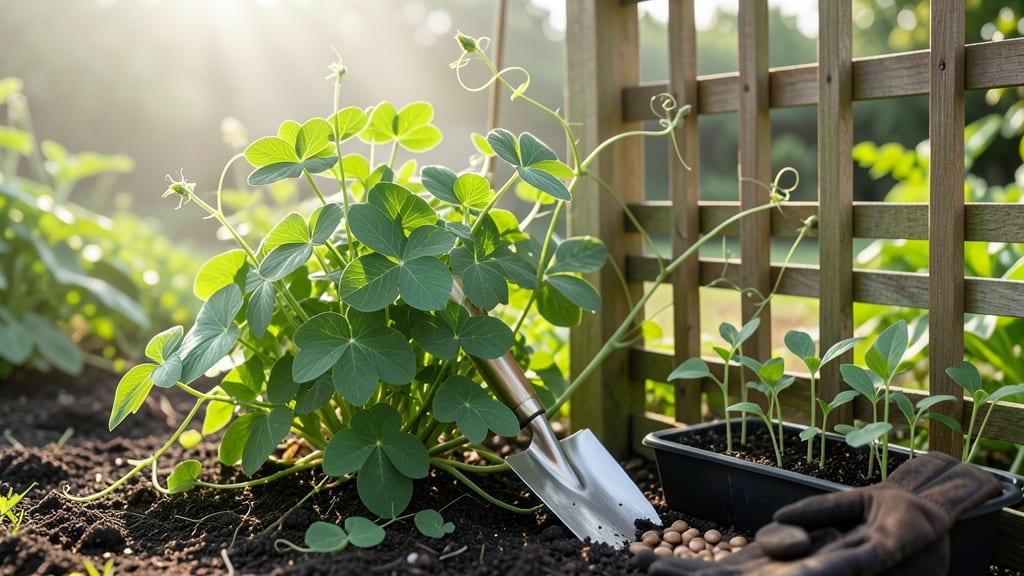
Knowing when to plant English peas in Zone 8 is the secret to avoiding bitter, tough pods and enjoying sweet, tender harvests all season. These cool-loving plants 🌱 can't handle summer heat, which is why timing your fall and spring plantings just right makes all the difference.
In Zone 8, you've got two prime windows: September-October for a fall crop and February-March for spring. Plant too early, and your peas bolt before frost; too late, and they struggle with summer's heat.
I'll show you exactly how to calculate your perfect dates based on local frost patterns and microclimates.
Beyond timing, we'll cover soil prep tricks, shade strategies for hot spells, and whether succession planting works in your area. Whether you're a first-time gardener or a seasoned grower, these insights will help you maximize your harvest without the frustration of bolting.
Let's dive into the cool-season secrets that will transform your English pea game this year - no more wasted efforts, just sweet, plentiful pods from start to finish.
Optimal planting windows for English peas in Zone 8 to avoid bolting
English peas (Pisum sativum) love cool weather, but in Zone 8, heat stress can trigger bolting—when plants rush to flower and produce tough, bitter pods. To avoid this, I focus on two ideal planting windows: fall and early spring.
Both align with Zone 8’s first frost dates (Dec 15) and last frost dates (Jan 15), ensuring sweet, tender harvests.
For fall planting, aim for September to early October. This gives peas 60-70 days to mature before winter chill sets in. In spring, plant February to early March, about 4-6 weeks before the last frost.
These windows keep soil temps between 40°F and 75°F, perfect for pea growth.
Here’s why late summer planting fails: Soil temps above 80°F stress seeds, causing slow germination or bolting. Even if you plant in late August, heat often triggers early flowering. Instead, I prioritize cooler months when peas thrive without rushing to reproduce.
Microclimates matter! Coastal areas in Zone 8 (like San Diego) stay milder longer, so I plant 1-2 weeks later than inland zones (like Phoenix).
Use your local first frost date as a guide: count back 60 days for fall or 70 days for spring to pinpoint your exact window.
To calculate your exact dates, check your local USDA Plant Hardiness Zone 8 frost data. For example, in Los Angeles, I plant fall peas by September 15 to harvest before December 15.
In Tucson, I delay until October 1 due to earlier frosts. Always adjust for your microclimate—shady spots stay cooler longer, while sunny areas may need earlier planting.
Pro tip: Soil temperature matters more than air temp. Use a soil thermometer to confirm temps are below 80°F before planting. If your soil runs hot, try shade cloth or plant in partial shade. Peas are forgiving, but timing is non-negotiable for sweet, tender pods.
For spring planting, I start seeds indoors in late January to transplant outdoors by February 15. This head start ensures vigorous growth before last frost.
In Zone 8’s warmer inland areas, I might wait until March 1 to avoid heat stress. Always monitor weather forecasts—unexpected heat waves can still trigger bolting.
Remember: Peas are cool-season champions, but they won’t tolerate summer heat. By sticking to these windows, you’ll enjoy sweet, tender pods all season long—no bitter surprises! 🌱
Optimal planting windows for English peas in Zone 8 to avoid bolting
In Zone 8, English peas 🌱 thrive during two distinct windows: fall and early spring. These periods offer ideal cool-season temperatures (50-70°F) that prevent the bitter bolting that ruins tender pods.
The key is planting when soil temps stay below 75°F and nights dip below 60°F—conditions that keep your peas sweet and productive.
For fall planting, aim for September-October—typically 2-3 weeks before your area's first frost date. In most of Zone 8, this lands between mid-September and early October.
Spring plantings should happen February-March, about 4-6 weeks before your last frost (usually around mid-March in coastal areas and late March inland).
| Planting Window | Ideal Temperature | Frost Consideration | Zone 8 Timing |
|---|---|---|---|
| Fall Planting | 50-70°F (day), 40-55°F (night) | 2-3 weeks before first frost | Mid-Sept - Early Oct |
| Spring Planting | 55-65°F (day), 45-50°F (night) | 4-6 weeks before last frost | Feb - Early March |
| Avoid Planting | Above 75°F consistently | Late summer heat stress | June - August |
Your exact dates depend on local microclimates. Coastal areas in Zone 8 (like San Diego) can plant 2-3 weeks later than inland spots (like Arizona) because ocean breezes delay heat buildup.
Check your average first frost date—most Zone 8 regions see frost between December 15 and January 15—and work backward from there.
Pro tip: Use a soil thermometer to confirm temps are below 75°F at planting time. If your soil heats up unexpectedly (common in urban areas with pavementshade cloth or late-afternoon shade to keep roots cool.
This simple adjustment can add 2-3 extra weeks of growing time before bolting kicks in.
Remember, English peas are annual cool-season crops, so they won't survive Zone 8's summer heat. If you miss the fall window, don't despair—just mark your calendar for next February and start seeds indoors 4 weeks before your target outdoor date to get a jump on the season.
For continuous harvests, many gardeners in Zone 8 plant half their peas in fall and half in early spring. This staggered approach ensures sweet pods from November through June—just what you need to enjoy fresh peas year-round without the bitterness of bolting.