
Plants
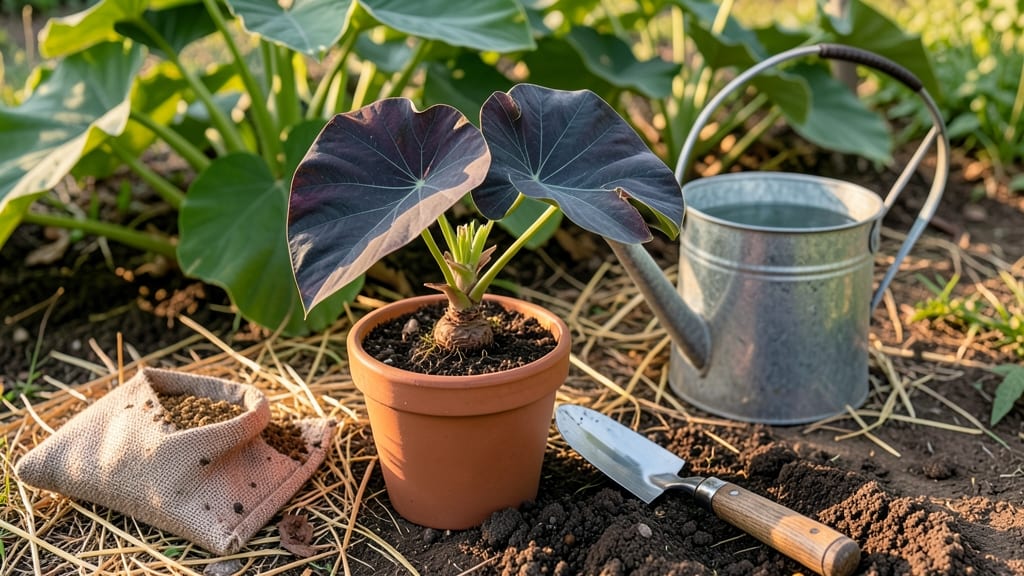
Timing your Elephant Ear 🌿 planting in Oklahoma isn’t just about waiting for spring—it’s about beating the state’s notorious late frosts while preparing for brutal summer heat. Get it wrong, and your tropical foliage could bolt before it even gets started.
But master the window, and you’ll enjoy lush, oversized leaves that outshine any Oklahoma garden.
Most gardeners in USDA Zones 6a-8a should wait until mid-April to early May, but that’s just the starting point. The real secret lies in soil temperature—wait until it hits 60°F—and knowing which heat-tolerant varieties will survive Oklahoma’s 100°F+ summers.
Let me walk you through the exact steps to time your planting for success.
Whether you’re planting in-ground or containers, Oklahoma’s clay-heavy soil and unpredictable weather demand extra prep. We’ll cover soil amendments, mulching strategies, and even which varieties handle our humidity swings best. Ready to transform your garden into a tropical oasis without the guesswork?
From choosing the right spot to protecting your plants from late frosts, I’ve got the game-changer tips that’ll keep your Elephant Ears thriving all season. Let’s dive in—your garden’s dramatic statement piece is waiting.
Best planting timeline for Elephant Ears in Oklahoma’s climate zones
Oklahoma’s USDA Zones 6a-8a create unique challenges for planting Elephant Ears—late frosts can linger until mid-April, while summer heat arrives early. The key is planting when soil temperatures hit 60°F and all frost risk has passed.
For most Oklahoma gardeners, this means mid-April to early May, but timing varies by microclimate.
In Zone 6a (northern OK), wait until after April 15 when frost danger drops below 10%. Southern Oklahoma’s Zone 8a gardeners can plant as early as late March, but monitor local forecasts. The 30-day frost-free window is critical—planting too early risks frost damage to tender tubers.
Soil temperature matters more than calendar dates. Use a soil thermometer to confirm 60°F+ readings at 4-inch depth. In Oklahoma’s clay-heavy soils, this often means late April for in-ground planting. Container gardeners can start 2-3 weeks earlier since pots warm faster.
Here’s your Oklahoma-specific planting timeline with key milestones:
| Month | Zone 6a | Zone 7a | Zone 8a |
|---|---|---|---|
| March | Prep soil (Zone 8a only) | Start containers indoors | Plant outdoors (late March) |
| April | Plant after April 15 | Plant after April 1 | Plant by April 15 |
| May | Final planting window | Final planting window | Late plantings possible |
| June | Too late for tubers | Too late for tubers | Too late for tubers |
Oklahoma’s unpredictable weather patterns demand flexibility. If a late frost hits after your planting date, protect young plants with frost cloth or move containers to sheltered spots. The 30-day rule applies here too—if nighttime temps drop below 50°F within 30 days of planting, your Elephant Ears may struggle.
For container gardeners, early April planting is ideal in Zone 8a. Pots warm faster and can be moved indoors if frost threatens. Just ensure containers have drainage holes—Oklahoma’s heat will dry them out quickly. Use black containers to absorb more sunlight and speed up soil warming.
Pro tip: Plant Albo varieties slightly earlier than others—their white foliage reflects heat better, giving them a slight edge in Oklahoma’s intense summers. Monitor your plants closely after planting, as leaf scorch from afternoon sun is common in our climate.
Remember, Elephant Ears are tropical plants at heart. They thrive when soil stays consistently warm. If you plant too early and face cool snaps, your plants may bolt (send up flower stalks) instead of producing those dramatic leaves.
Patience pays off—wait for that 60°F soil temp and you’ll set your plants up for Oklahoma-sized success.
Once planted, focus on mulching to maintain soil warmth and moisture. We’ll cover that in our next section, but for now, mark your calendar for mid-April and get ready to transform your garden into a tropical paradise.
Best planting timeline for Elephant Ears in Oklahoma’s climate zones
Oklahoma’s USDA Zones 6a-8a create unique challenges for planting Elephant Ears—late frosts in spring and scorching summers demand precise timing. The ideal window is mid-April to early May, but soil temperature and frost risk dictate the exact date.
In Zone 6a, wait until after April 15 when frost danger has passed, while Zone 8a gardeners can plant as early as late March.
Your soil temperature is the true indicator—plant only when it consistently stays above 60°F. Use a soil thermometer to confirm readiness, especially in Oklahoma’s clay-heavy soils that warm slowly. Pro tip: Check your local Oklahoma Mesonet station for real-time soil data if you’re unsure.
| Zone | Last Frost Date | Planting Window | Soil Temp Threshold | Heat Prep Tip |
|---|---|---|---|---|
| 6a (North OK) | April 15-May 1 | Mid-April | 60°F+ | Use row covers for late frosts |
| 7a (Central OK) | April 1-May 15 | Late March-April | 60°F+ | Choose heat-tolerant varieties |
| 8a (South OK) | March 15-April 1 | Late February-March | 60°F+ | Mulch heavily for summer heat |
For container planting, you can start 2-3 weeks earlier than in-ground planting since pots warm faster. However, always keep containers 100% frost-proof by moving them indoors or under cover during cold snaps.
Oklahoma’s unpredictable spring weather means having a backup plan—like row covers or a mini greenhouse—can save your plants if late frosts hit.
Once planted, focus on moisture retention—Oklahoma’s summer heat will dry out soil quickly. Apply 2-3 inches of mulch immediately after planting to lock in moisture and regulate soil temperature. This is especially critical in Zone 8a, where afternoon temperatures can exceed 100°F.
Remember, Elephant Ears are tropical plants that won’t tolerate frost. If you’re in Zone 6a, consider treating them as annuals and replanting each spring.
For Zone 7a-8a, you can experiment with overwintering in containers by moving them to a protected location before the first frost hits in November.
Your Elephant Ears will reward you with dramatic foliage all summer long if you time your planting right. Mark your calendar for mid-April, check that soil thermometer, and get ready for a tropical garden statement that’ll make your Oklahoma neighbors jealous! 🌿