
Trees
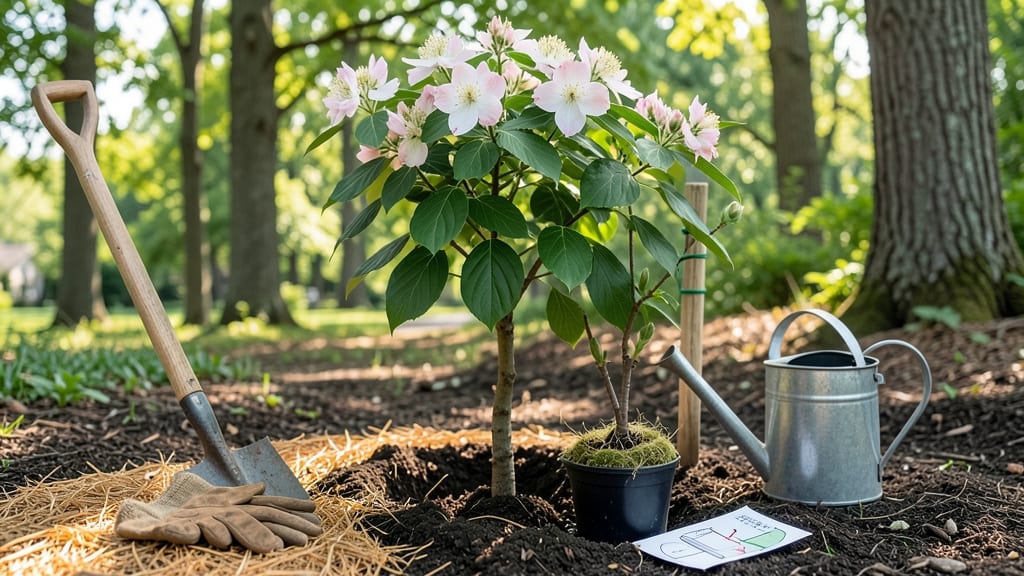
Planting a Dogwood Tree 🌳 in Georgia isn’t just about picking a season—it’s about dodging frost risks and matching your tree’s chill-hour needs to your local climate. The wrong timing can leave your tree struggling, while the right window ensures decades of stunning spring blooms and strong growth.
Georgia’s USDA Zones 7a-8b create unique challenges, from North Georgia’s occasional late frosts to South Georgia’s milder winters. I’ve dug into the data to reveal the exact planting windows that give your dogwood the best shot at survival and vibrant flowering.
Whether you’re in Atlanta’s cooler microclimate or Savannah’s warmer coastal zone, knowing when to plant makes all the difference. Let’s break down the science behind chill-hour matching and how to time your planting for zero frost surprises.
You’ll discover why late fall or early spring is your best bet, how to prepare the soil, and which dogwood varieties thrive in Georgia’s specific conditions. Ready to plant with confidence? Let’s get started.
Georgia’s dogwood planting timeline by chill-hour Zone (with frost risk maps)
Planting dogwood trees in Georgia isn’t just about picking a season—it’s about matching your USDA hardiness zone with the tree’s chill-hour requirements. Georgia spans Zone 7a to 8b, where a single degree difference can mean the difference between a thriving tree and a frost-killed sapling.
Dogwoods need 400-1,000 chill hours (temperatures between 32°F and 45°F) to bloom properly. North Georgia’s Zone 7a (e.g., Blue Ridge Mountains) gets 900-1,000 hours, while South Georgia’s Zone 8a (e.g., Savannah) often sees only 400-600 hours. Planting at the wrong time risks delayed blooms or winter dieback.
Here’s how to align your planting with Georgia’s microclimates and frost risks:
For North Georgia (Zone 7a), aim for late November to February—this gives roots time to establish before spring growth and avoids late April frosts that can damage new shoots.
In Atlanta (Zone 7b), early December to March works best, while South Georgia (Zone 8a/b) can plant as late as February with minimal frost risk.
Bare-root dogwoods planted in winter (December-February) outperform spring plantings because cooler temps reduce transplant shock. Container-grown trees, however, can go in early spring (March) if soil isn’t frozen. Mulch heavily after planting to insulate roots—3-4 inches of wood chips adds 5-10°F protection against winter dips.
Pro tip: Check your local frost-free date (typically mid-April in North GA, early April in South GA) and plant 6-8 weeks before to ensure roots anchor before warm weather. Use a soil thermometer—ideal planting temps are 40-50°F.
Georgia’s microclimates complicate things. Urban areas like Atlanta can be 5°F warmer than rural spots, while valleys (e.g., Dahlonega) may see earlier frosts. Adjust your timeline 1-2 weeks earlier if you’re in a colder microclimate.
One common mistake? Planting in late spring (May). Dogwoods planted then struggle to establish before summer heat, leading to shallow roots and poor winter survival. If you miss the fall/winter window, early spring (March) is your backup—but prioritize container-grown trees for better survival rates.
For maximum bloom success, align planting with your zone’s chill hours. A Zone 7a dogwood planted in Zone 8a may bloom poorly or not at all. Use the table above to match varieties to your region—this ensures vibrant spring flowers and decades of reliable growth.
🌳
Signs your Georgia dogwood planting timing is wrong (and how to fix it)
If your dogwood tree looks unhealthy or blooms poorly, you might’ve planted at the wrong time. Stunted growth after the first year is a red flag—it often means roots didn’t establish before spring’s rapid growth.
In Georgia, this happens when planting too late in fall or too early in spring before soil warms.
Watch for leaf scorch or browning edges, especially in North Georgia (Zone 7a). This signals frost damage from planting too late, leaving roots vulnerable to late-winter freezes. Even in South Georgia (Zone 8a), early spring planting can stress trees if cold snaps linger.
Delayed or no blooms in spring? Your dogwood may be struggling to meet its chill-hour requirements. For example, ‘Cherokee Brave’ needs 600-900 chill hours, while ‘Purple Smoke’ thrives with 400-600 hours. Planting in the wrong zone or timing can disrupt flowering cycles.
Container-grown dogwoods need extra attention—plant them 2-3 weeks earlier than bare-root trees. Their roots are already established, so they can handle cooler soil sooner. If you see yellowing leaves after transplanting, the tree may be root-bound or shocked from improper timing.
⚠️ Warning: Late Planting Risks
- Frost damage: Roots won’t harden before winter if planted after November 15.
- Poor root growth: Spring planting after April 15 risks heat stress.
- Disease risk: Wet soil in late winter can promote root rot.
Fix it: Amend soil with compost and mulch heavily to protect roots.
Microclimates matter! Atlanta’s cooler valleys can frost later than Savannah’s coastal plains. Adjust planting dates by 2-4 weeks if your yard sits in a frost pocket. For example, plant in late February in Savannah but wait until early March in the Blue Ridge Mountains.
To recover a poorly timed planting, prune damaged branches in late winter and water deeply every 3-5 days until roots stabilize. If the tree is beyond saving, remove it and replant a chill-hour-matched variety in the correct window.