
Trees
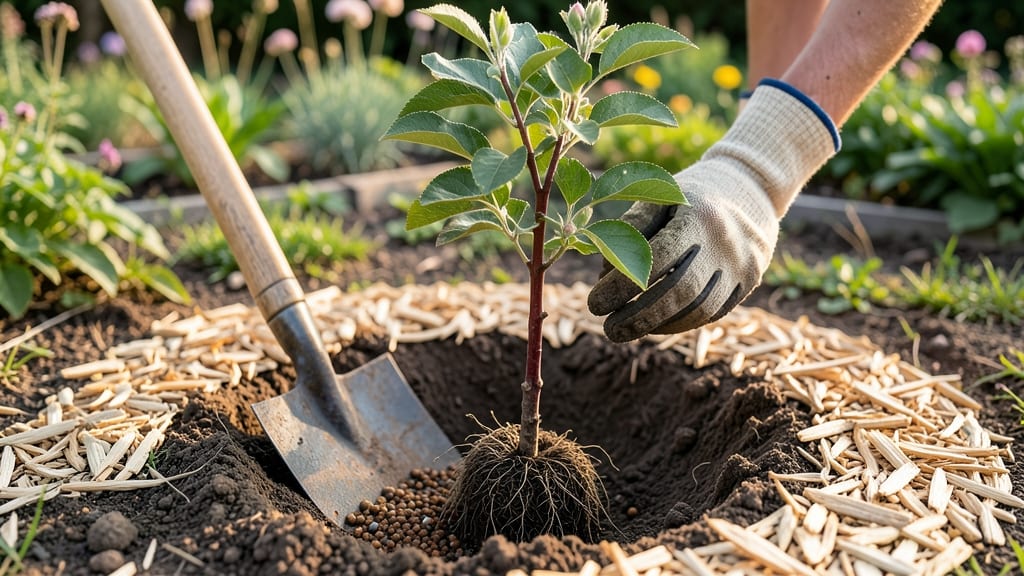
Timing your apple tree 🍎 planting in Oregon isn’t just about the calendar—it’s about matching varieties to the region’s chill hours, avoiding frost traps, and preparing soil that won’t drown roots during our famously wet winters.
Most gardeners assume spring is the only window, but Oregon’s microclimates (from the Willamette Valley to high-desert areas) create nuanced rules. Plant too early, and your young tree might face late frosts; too late, and it won’t establish strong roots before summer heat.
The key? Aligning your chosen variety’s chill-hour needs with your specific zone—whether you’re in 7b or 9a.
I’ll walk you through the exact planting schedule—from bare-root timing in February to container-grown adjustments in April—plus the top 5 Oregon-adapted varieties that thrive with minimal fuss. No more guessing whether your 🍎 Honeycrisp will survive the winter or your Granny Smith will bolt in summer heat.
By the end, you’ll know not just when to plant, but how to set your apple tree up for a reliable harvest—even in Oregon’s unpredictable climate. Let’s get those roots in the ground the right way.
Best planting months for apple trees in Oregon by chill-hour requirements
Oregon’s diverse climate—from the Willamette Valley’s mild winters to Eastern Oregon’s harsh freezes—means chill-hour requirements dictate your planting window. Most apple varieties need 300–1,000 chill hours (below 45°F) to fruit reliably.
In Oregon, this translates to planting between late February and early April, just before buds swell but after the last frost risk (typically March 15).
Bare-root trees, the most common choice, should be planted while dormant—ideally in late winter (February–March). Container-grown trees, however, offer flexibility and can be planted up to May, provided soil temperatures stay above 45°F. This timing ensures roots establish before summer heat arrives.
Chill hours are your best friend in Oregon. For example, ‘Honeycrisp’ (600–800 hours) thrives in the Willamette Valley, while ‘Granny Smith’ (800–1,000 hours) needs Eastern Oregon’s colder winters. Planting outside these ranges risks poor fruit set or winter dieback.
Soil preparation is just as critical. Oregon’s acidic soils (pH 5.5–6.5) often need lime or compost to reach the ideal 6.0–7.0 pH. Test your soil 4–6 weeks before planting to adjust nutrients. Amend with well-rotted manure or compost to improve drainage—critical for preventing root rot in Oregon’s wet winters.
Here’s how Oregon’s three key regions differ in planting timing and variety choices:
| Region | Chill Hours | Best Planting Window | Soil Prep Tip |
|---|---|---|---|
| Willamette Valley | 500–800 hours | Late Feb–March | Add compost to improve drainage |
| Eastern Oregon | 800–1,000 hours | March–April | Test pH; lime if below 6.0 |
| Coast Range | 300–500 hours | March–early April | Mulch heavily to insulate roots |
After planting, water deeply to settle soil around roots, then mulch with wood chips (3–4 inches) to retain moisture and regulate temperature. In Oregon’s wet winters, mulch also prevents soil compaction. Avoid mulching too close to the trunk—keep it 3 inches away to prevent rot.
For container-grown trees, plant anytime soil isn’t frozen, but aim for early spring (March–April) to avoid heat stress. Container trees have established roots, so they adapt faster to Oregon’s variable spring rains.
Just ensure the planting hole is twice as wide as the root ball to encourage root spread.
One common mistake? Planting too early in Eastern Oregon where late frosts linger. Wait until after April 1 in high-desert areas like Bend or La Grande. Use a frost blanket for the first two weeks post-planting if frost is forecasted.
Pro tip: Mark your last frost date on your calendar. In Oregon, this can vary by 3 weeks between coastal and inland areas. Planting 2–3 weeks before ensures roots establish before buds break.
Best planting months for apple trees in Oregon by chill-hour requirements
Oregon’s diverse climate—from the Willamette Valley’s mild winters to Eastern Oregon’s harsh freezes—means timing is everything for apple trees. Chill hours (0–45°F temperatures) are critical: most Oregon varieties need 300–1,000 hours.
Plant too early, and roots may freeze; too late, and growth stalls before spring. My go-to window is February–April, aligning with dormancy break and soil thaw.
Bare-root trees (most common) thrive when planted in late winter (February–March), while container-grown trees can handle early spring (April) better. For Coastal Oregon, where winters are wetter, aim for March–April to avoid waterlogged soil. Eastern Oregon’s drier climate allows February planting if soil isn’t frozen.
Chill-hour mismatches are a top failure cause. For example, ‘Honeycrisp’ (800+ hours) struggles in USDA Zone 8 (Southern Oregon), while ‘Granny Smith’ (300–500 hours) thrives there. Always check your last frost date—most of Oregon sees it around March 15, but coastal areas can be weeks later.
| Oregon Region | Chill Hours | Best Planting Month | Soil Prep Tip |
|---|---|---|---|
| Willamette Valley | 500–800 hrs | March–April | Amend clay soil with compost |
| Eastern Oregon | 800–1,000 hrs | February–March | Test pH (6.0–7.0); add lime if needed |
| Coastal Oregon | 300–500 hrs | April | Raise beds to improve drainage |
For bare-root trees, soak roots in water for 2–4 hours before planting to rehydrate. Dig a hole twice as wide as the root ball but no deeper—graft union should sit 2–3 inches above soil.
Backfill with native soil mixed with compost to avoid nutrient shock. Water deeply immediately after planting to eliminate air pockets.
Mulch heavily (4–6 inches of wood chips) to retain moisture and regulate soil temperature. In Eastern Oregon, add an extra layer of mulch in winter to protect roots from freeze-thaw cycles. Avoid mulching too close to the trunk—keep it 6 inches away to prevent rot.
After planting, stake young trees if your area gets strong winds (common in Coastal Oregon). Use soft ties to avoid girdling the trunk. Prune only to remove broken branches—wait until late winter for major shaping.
With the right timing and care, your apple tree will establish roots before Oregon’s first frost in November.