
Plants
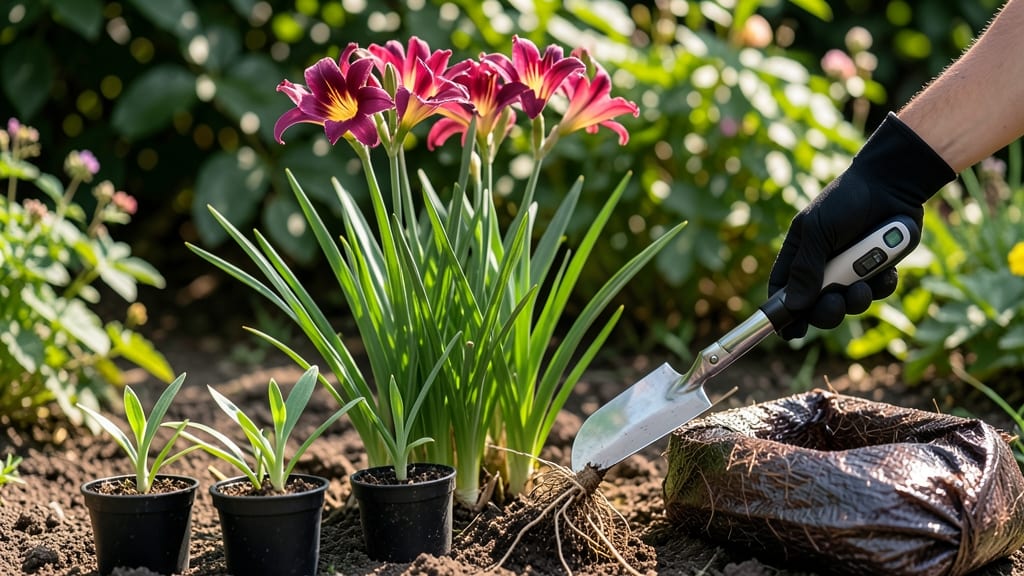
If you're a Texas gardener eager to see your 🌸 daylilies thrive, timing your planting is the secret weapon you can't afford to miss.
Planting at the wrong time means struggling with late frosts or missing the ideal window for root establishment—both of which can stunt your blooms before they even begin.
The good news? Texas's mild winters and long growing season give you two perfect windows to get those daylily roots in the ground: early fall or late winter.
Whether you're in North Texas where frosts linger into March or South Texas where the ground stays warm well into November, knowing the right month makes all the difference.
I'll break down exactly when to plant in your specific region—from the Hill Country to the Gulf Coast—so you can avoid common pitfalls like waterlogged soil or late-spring surprises.
You'll also discover how to extend your planting season with simple tricks, ensuring your daylilies get off to the strongest start possible.
Ready to transform your garden into a burst of color? Let's dive into the best months to plant daylilies in Texas and set your blooms up for success from day one.
Best months to plant daylilies in Texas (by region)
Texas spans multiple USDA hardiness zones (8a–10b), so the best time to plant daylilies varies by region. In North Texas (zones 8a–8b), like Dallas or Fort Worth, aim for late February to early April to avoid late frosts.
Meanwhile, Central Texas (zones 8b–9a), including Austin, can plant as early as mid-February or extend into early November for fall planting.
For South Texas (zones 9a–10b), like Houston or San Antonio, your window is even broader: January through April or September to November. Warmer soils in these areas mean daylilies establish roots faster, reducing transplant shock.
Always check your local last frost date—North Texas gardeners should wait until after February 15, while South Texas can plant earlier.
Soil temperature is critical: daylilies thrive when soil reaches at least 60°F. In North Texas, this typically happens by mid-March, while South Texas soils warm up by February.
Use a soil thermometer to confirm—planting too early in cold soil delays root growth and increases frost damage risk.
Daylilies are perennials, meaning they return yearly, but their first year’s success hinges on timing. Planting in early spring (March–April) gives roots time to establish before summer heat, while fall planting (September–November) allows roots to grow before winter dormancy.
Both strategies work, but fall planting often yields stronger plants by spring.
Here’s a quick region-specific cheat sheet to simplify your decision-making:
| Region | USDA Zone | Best Planting Months | Last Frost Date | Soil Temp Threshold |
|---|---|---|---|---|
| North Texas | 8a–8b | Late Feb–Early Apr Sep–Nov |
Feb 15 | 60°F (mid-March) |
| Central Texas | 8b–9a | Mid-Feb–Early Apr Sep–Nov |
Feb 1 | 60°F (early March) |
| South Texas | 9a–10b | Jan–Apr Sep–Nov |
Dec 15 | 60°F (February) |
Pro tip: If you’re in zone 10b (South Texas), you can even plant daylilies in December or June, but avoid peak summer heat (May–August), which stresses young plants. Always choose bare-root daylilies for spring planting—they establish faster than container-grown ones.
For container gardening, timing is flexible: plant anytime soil is workable, but move pots indoors if frost threatens. Containers warm up faster than ground soil, so you can start 2–4 weeks earlier than in-ground planting.
Just ensure pots have drainage holes to prevent root rot in Texas’s heavy clay soils.
One Texas-specific trick is to plant daylilies in raised beds, which warm up quicker in spring and drain better than native soil. Add compost or aged manure to raised beds to boost nutrient availability—daylilies reward rich soil with vibrant blooms and vigorous growth.
Mulch with 2–3 inches of straw after planting to retain moisture and regulate soil temperature.
Remember, daylilies are drought-tolerant once established, but young plants need consistent moisture. Water deeply once a week after planting to encourage root development. Avoid overhead watering, which can spread fungal diseases like powdery mildew—a common issue in Texas’s humid summers.
Finally, choose cold-hardy varieties like 'Stella de Oro' or 'Happy Returns' for North Texas, while 'Purple City' or 'Cafe au Lait' thrive in South Texas’s heat. Variety selection pairs with timing to ensure your daylilies bloom reliably year after year. 🌸
Best months to plant daylilies in Texas (by region)
Texas's diverse climate means your daylily planting window depends heavily on where you live. In North Texas (USDA Zones 8a-8b), like Dallas or Fort Worth, aim for early spring (March) or fall (October-November) when soil temps hit 60°F+.
These months give roots time to establish before summer heat or winter frosts arrive.
For Central Texas (Zones 8b-9a), including Austin and San Antonio, you’ve got more flexibility. Plant in late February through April for spring blooms or September-October to avoid summer stress. The Gulf Coast and South Texas (Zones 9a-10b) can even plant into November—just avoid December’s rare frosts.
🌱 Pro Tip: Check your local last frost date—North Texas averages February 15, while South Texas rarely sees frost after November 15. Plant at least 2-3 weeks before to account for root establishment.
| Region | Spring Window | Fall Window | Key Consideration |
|---|---|---|---|
| North Texas (Dallas/Fort Worth) | March 1–April 15 | October 1–November 15 | Avoid late frosts (avg. Feb 15) |
| Central Texas (Austin/San Antonio) | February 20–April 30 | September 1–October 31 | Soil stays warm longer |
| South Texas (Houston/Corpus Christi) | February 1–March 31 | September 1–November 30 | Rare frosts after Nov 15 |
If you’re in a microclimate, like a high-elevation area in West Texas, push planting to April to avoid early spring chills. For coastal areas, September planting lets daylilies establish before summer rains arrive.
🌿 Soil Prep Tip: Amend heavy clay soil with compost or sand to improve drainage—daylilies hate soggy roots. Test your soil’s pH (ideal: 6.0–7.0) and adjust with lime or sulfur if needed.
Remember: Daylilies thrive with full sun, so choose a spot with 6+ hours of direct light daily. Plant crowns at soil level, spacing them 12–24 inches apart for mature size. With the right timing, your daylilies will reward you with bold blooms from spring through fall.