
Plants
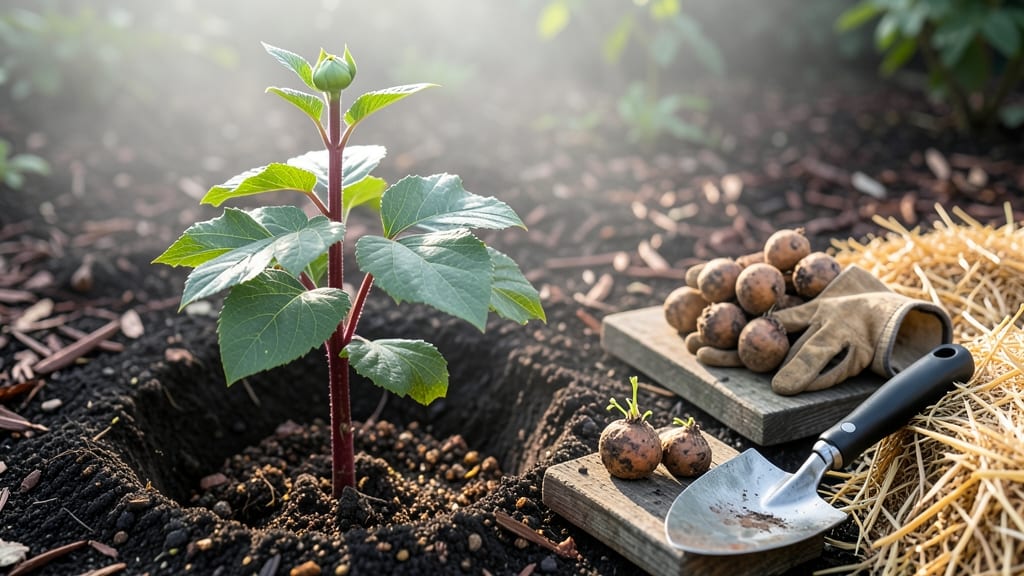
Timing your dahlia planting in Washington State can feel like a high-stakes game of chance—get it wrong, and you might lose your entire crop to a late frost.
But here’s the good news: with the right approach, you can beat Washington’s unpredictable spring weather and enjoy stunning 🌸 blooms all season long.
Most of the state falls within USDA zones 7a-8a, where the last frost typically passes between late April and early June. However, microclimates—like the cooler Puget Sound or the dry heat of Eastern Washington—can shift those dates by weeks.
That’s why knowing your specific zone and soil temperature is the key to success.
In this guide, I’ll break down exactly when to plant dahlias in your corner of Washington, from soil prep to frost-proofing strategies. You’ll learn how to read your local climate cues and adjust for elevation or urban heat islands, so you can start planting with confidence.
Ready to grow dahlias that thrive? Let’s dive into the perfect planting window for your Washington garden—no guesswork required.
Washington State heat zones: ideal planting dates by USDA Zone (5-8)
Washington State spans USDA Zones 5 through 8, meaning your dahlia planting window can vary by weeks—or even months—depending on where you garden.
In Zone 8a (like Yakima Valley), you might plant as early as mid-April, while gardeners in Zone 5b (North Idaho border) often wait until late May. The key? Soil temperature matters more than calendar dates—dahlias thrive when soil reaches 55°F+ for 2+ weeks consistently.
WSU Extension tracks last frost dates by region, but microclimates (like urban heat islands or coastal fog) can shift these by 2-4 weeks.
For example, Seattle (Zone 7b) averages its last frost around April 15, but Mount Rainier’s foothills (Zone 6a) can see frost as late as May 10. Always check local Almanac frost charts or use a soil thermometer to confirm readiness.
🌱 Washington State Dahlia Planting Guide by USDA Zone
| Zone | Last Frost Avg. | Ideal Planting Window | Soil Temp Threshold | First Frost Risk |
|---|---|---|---|---|
| 5a/5b | May 10–20 | Late May–Early June | 55°F+ (2+ weeks) | Oct 5–15 |
| 6a/6b | April 20–May 5 | Early May–Mid-May | 55°F+ (2+ weeks) | Oct 10–20 |
| 7a/7b | April 1–15 | Late April–Early May | 55°F+ (1–2 weeks) | Oct 15–25 |
| 8a/8b | March 15–April 5 | Mid-April–Early May | 50°F+ (1 week) | Nov 1–10 |
*Data sourced from WSU Extension and NOAA historical averages (2010–2023).
If you’re in Zone 7a or warmer, aim to plant 4–6 weeks before your last frost—this gives dahlias time to establish roots before summer heat arrives. For Zones 5–6, consider starting tubers indoors in March (under grow lights) to jumpstart growth.
A simple trick: Place tubers in paper bags with damp peat moss and keep them in a 60°F+ spot until sprouts appear (usually 4–6 weeks).
Pro tip: Container gardeners in cooler zones (like Zone 6b) can plant 2–3 weeks earlier than in-ground gardens, since pots warm up faster. Just ensure containers have drainage holes and use a lightweight potting mix to prevent waterlogging.
For ground planting, amend soil with compost + perlite to improve drainage—dahlias hate soggy roots.
For late bloomers, like ‘Café au Lait’ or ‘Arabian Night’, plant tubers in early May even in Zone 7. These varieties tolerate cooler soils better than heat-loving types like ‘Galaxy’ or ‘Thomas Edison’.
Always label your tubers—some varieties need staking, while others (like ‘Mignon’ series) stay compact.
Remember: Frost can kill dahlias overnight, even if soil temps seem safe. Use a frost blanket or row cover for the first 2 weeks after planting, especially in Zone 6 or cooler.
And if your area has unpredictable late frosts (like Spokane’s 2021 April freeze), opt for early-maturing varieties like ‘Bishop’ or ‘Karma Choc’.
🌸
Microclimate adjustments: how elevation, rainfall, and urban heat islands shift planting timing
Washington State’s diverse geography means your dahlia planting dates can vary by weeks—even within the same city. For example, Seattle’s Puget Sound often sees late frosts in May due to coastal fog, while Spokane’s inland valleys might warm up by early April.
Understanding these microclimates is key to avoiding frost damage or stunted growth.
Elevation plays a huge role: gardens above 1,000 feet (like those in the Cascade foothills) can experience frost up to 2 weeks later than valley floors.
Meanwhile, urban heat islands in cities like Tacoma or Vancouver can create microclimates where soil warms faster, allowing earlier planting by 10-14 days compared to rural areas.
Rainfall also impacts timing. The Olympic Peninsula’s wet climate may delay planting until soil drains properly, while Eastern Washington’s dry heat can make early April planting feasible if you use mulch to retain moisture. Always check local WSU Extension frost maps for your specific area.
For gardeners in cooler microclimates, container-grown dahlias are a game-changer. Potted plants warm up faster and can be moved to protected spots (like near a south-facing wall) if frost threatens. Just ensure your containers have drainage holes and use lightweight potting mix to prevent waterlogging.
Pro tip: If you’re unsure about your local frost dates, sign up for WSU AgWeatherNet alerts. These free updates will notify you when your area hits the critical 55°F soil temperature—the sweet spot for dahlia tubers to sprout without risking frost damage.
Don’t let Washington’s varied climate stress you out. With these microclimate tweaks, you can plant dahlias at the perfect time—whether you’re in foggy Bellingham or sunbaked Wenatchee. The key is flexibility and local awareness!