
Plants
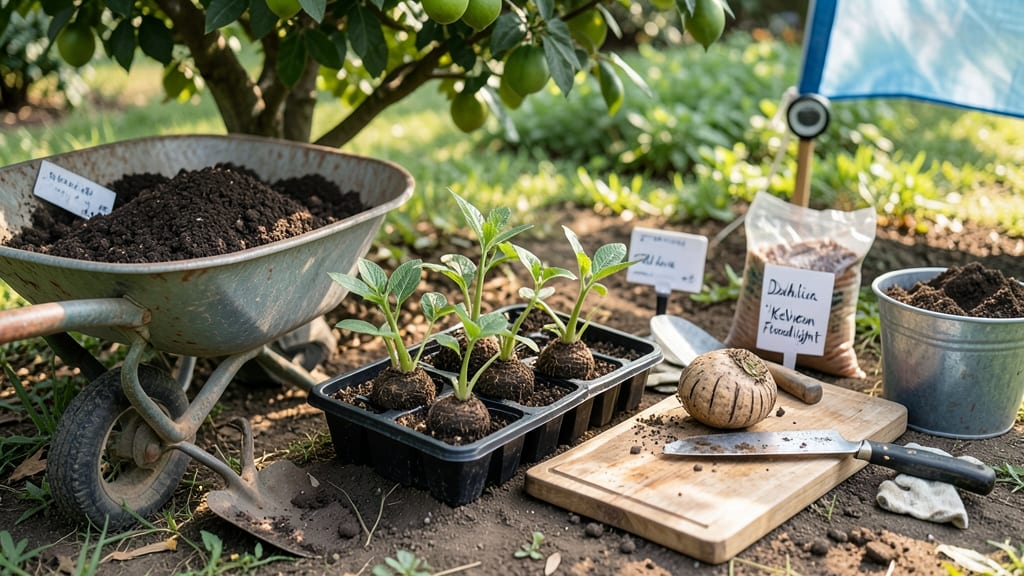
Timing your dahlia planting in Rhode Island could mean the difference between a showstopping garden and a sad, frost-nipped disappointment. With Zone 6b winters and unpredictable coastal weather, knowing when to tuck those tubers into the soil is more art than science.
Most gardeners wait until mid-April to mid-May—after the last frost—when soil temperatures finally climb above 60°F. But here's the catch: Dahlias 🌸 hate cold feet, and planting too early risks stunted growth or worse, tuber rot.
Let me show you how to read Rhode Island's frost-free window like a pro.
You'll discover the best strategies for starting tubers indoors, transplanting at the perfect moment, and even extending your blooming season with simple tricks. Whether you're a first-time gardener or a seasoned grower, these insights will help you avoid common mistakes and get those vibrant dahlias thriving all summer long.
From coastal Newport to inland Providence, every corner of Rhode Island has its own microclimate quirks. I'll walk you through how to adjust your planting timeline based on your specific location, so you can enjoy those stunning dahlias from July right through October—without the guesswork.
Rhode Island’s ideal planting window for dahlias: frost dates & soil warmth
Rhode Island’s USDA Zone 6b-7a climate means dahlias need precise timing to avoid frost damage while maximizing bloom season. The last average frost date is around April 15, but soil temperature is the real trigger—wait until it reaches 60°F+ at 4 inches deep for optimal growth.
I’ve planted dahlias in RI for years, and I’ve learned that rushing too early (before May 1) risks cold soil shock, while waiting too late (after May 15) shortens the bloom window. The sweet spot? Mid-April to mid-May, when both air and soil temperatures cooperate.
Check your local Rhode Island Microclimate—coastal areas (like Narragansett) may warm faster than inland spots (like Providence). Use a soil thermometer to confirm readiness; if it’s below 60°F, delay planting by 1-2 weeks.
| Stage | Action | Notes |
|---|---|---|
| Last Frost Date | April 15 | Use Almanac’s RI frost calculator for your town |
| Soil Temp Threshold | 60°F+ at 4" | Test with soil thermometer in morning |
| Ideal Planting Window | Mid-April to mid-May | Coastal areas: 1 week earlier |
| Late Planting Cutoff | May 15 | After this, blooms may not mature before frost |
| First Frost Risk | October 15 | Use row covers to extend season |
For early bloomers, start tubers indoors 6-8 weeks before last frost (around March 1). Transplant outdoors when soil is warm, but harden off seedlings first to avoid transplant shock. Late varieties can be direct-sown after May 10, but expect smaller blooms if planted after May 20.
Pro tip: Plant dwarf varieties (like ‘Café au Lait’) earlier—they tolerate cooler soil better than tall varieties (like ‘Thomas Edison’). Mulch with straw or black plastic to warm soil faster in cooler RI springs.
Monitor your dahlias’ progress with a growth journal. Note when buds form (60-70 days after planting) and track bloom timing. In RI, expect peak blooms from July through September, with some varieties lasting until first frost if protected.
If you’re unsure about your local microclimate, check the Rhode Island Agricultural Experiment Station’s frost data or ask fellow gardeners at your county extension office. They’ve seen firsthand which varieties thrive in your specific zone.
Remember: Dahlias are frost-sensitive, but with the right timing, you’ll enjoy months of vibrant blooms—from pink pompons to deep burgundy dinnerplate flowers. The key is patience: wait for that 60°F soil temp, and your dahlias will reward you with a showstopping season.
Rhode Island’s ideal planting window for dahlias: frost dates & soil warmth
Rhode Island’s Zone 6b-7a climate means your dahlia planting window hinges on two critical factors: last frost dates and soil temperature. Most years, the last frost occurs around April 15, but coastal areas like Newport may see late frosts into May.
For dahlias, wait until soil reaches 60°F—a reliable threshold for root growth.
Use the USDA Plant Hardiness Zone Map for your specific location—coastal gardens (Zone 7a) can plant slightly earlier, while inland areas (Zone 6b) should wait until May. Check local weather forecasts for frost-free predictions to fine-tune your timeline. Pro tip: A soil thermometer is your best friend here!
Here’s the ideal planting timeline for Rhode Island gardeners:
- Early Starters (March-April): Begin tubers indoors 6-8 weeks before last frost.
- Direct Planting (Mid-April-May): Wait until soil is consistently 60°F+ and nighttime temps stay above 50°F.
- Late Bloomers (June): Some heat-tolerant varieties can handle June planting but may bloom later.
| Stage | Action | Notes |
|---|---|---|
| March | Start tubers indoors | 6-8 weeks before last frost |
| Mid-April | Hardening off seedlings | Acclimate for 1-2 weeks |
| Late April | Direct planting (if soil >60°F) | Coastal areas first |
| May | Transplant hardened seedlings | Inland areas safe now |
| June | Late planting (heat-tolerant varieties) | Expect delayed blooms |
Don’t rush planting! Cold soil (below 60°F) can stunt root growth, leaving your dahlias vulnerable to disease. If early April looks promising, use a black plastic mulch to warm the soil faster. For coastal gardeners, monitor salt spray—it can stress young plants, so choose sheltered spots.
Pro tip: Dwarf varieties (1-2 ft tall) are ideal for Rhode Island’s shorter growing season. They mature faster and handle cooler temps better than towering standard dahlias. Varieties like ‘Café au Lait’ or ‘Thomas Edison’ are excellent choices for our climate.
Remember, first frost typically hits October 15, so plan to dig up tubers before temps drop below 40°F. With the right timing, your dahlias will reward you with vibrant blooms from July to October—worth the wait! 🌸