
Plants
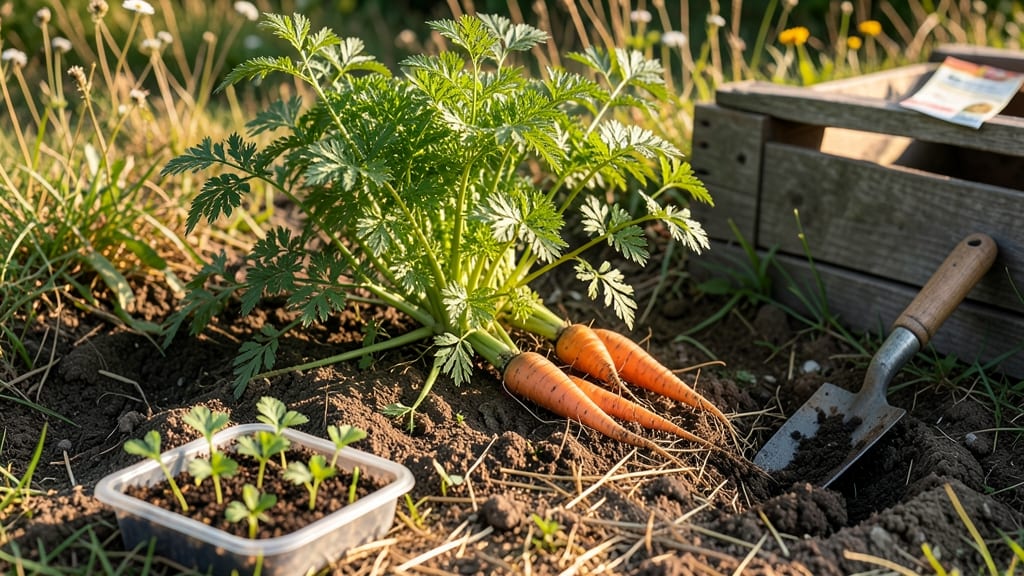
Timing your 🥕 carrot planting in Seattle isn’t just about following a calendar—it’s about outsmarting the region’s damp, unpredictable climate. One wrong move, and you’ll end up with either bolted greens or frozen soil that stalls your harvest before it even begins.
Here’s the secret: Seattle’s USDA Zone 8a gives you two prime windows—spring and fall—but getting the soil temperature right is what separates success from disappointment. Too early, and the cold ground will slow germination; too late, and you’ll miss the sweet spot before the first frost nips your crop.
I’ve grown carrots here for years, and what I’m about to share will help you avoid the most common mistakes—like planting too close together or ignoring soil prep—that turn promising starts into frustrating failures.
Let’s dive into the exact weeks to plant, soil tricks, and varieties that thrive in Seattle’s wetter-than-average springs.
By the end, you’ll know not just when to plant, but how to give your carrots the best shot at becoming the crisp, sweet harvest you’re dreaming of. No more guesswork—just reliable, flavorful results.
Seattle’s ideal carrot planting calendar: frost dates & soil prep timeline
Seattle’s cool, wet climate demands precise timing for carrot success. The last average frost date hovers between March 15–April 15, while the first frost typically arrives by October 15. This leaves a 165-day frost-free window—perfect for three key planting windows that avoid bolting or frost damage.
Your best bet is planting in early spring (March–April) when soil temperatures reach 50°F (10°C). Summer planting (late July–early August) works too, but requires shade cloth to prevent bolting from heat. Fall plantings (August–September) extend harvests into October–November.
Seattle’s USDA Zone 8a/b means microclimates matter. Urban areas like Ballard or West Seattle warm faster than Eastside suburbs. Use a soil thermometer to confirm 50°F+ soil temps before planting—critical for germination.
| Planting Window | Soil Temp | Key Task | Harvest Time |
|---|---|---|---|
| Early Spring (March 1–April 15) | 50–60°F (10–15°C) | Direct sow seeds ¼" deep | June–July |
| Summer (July 20–August 10) | 60–70°F (15–21°C) | Use shade cloth; water deeply | October–November |
| Fall (August 15–September 15) | 55–65°F (13–18°C) | Mulch heavily for cold protection | October–November |
For soil prep, Seattle’s clay-heavy soil needs amendments like compost or sand to prevent forked roots. Work in 2–3 inches of organic matter 2–3 weeks before planting. Raised beds warm faster and drain better—ideal for Puget Sound’s damp conditions.
Pro tip: Black plastic mulch raises soil temps by 10–15°F, speeding germination in cool springs. Remove it once seedlings emerge to prevent overheating. Test soil pH (6.0–6.8)—Seattle’s acidity often skews too low for optimal carrot growth.
Seattle’s short growing season means succession planting pays off. Sow new seeds every 2–3 weeks from March through August for a continuous harvest. Choose short-season varieties like ‘Early Nantes’ (58 days) or ‘Paris Market’ (55 days) to beat fall frosts.
Watch for false springs—those warm March days followed by frost. Use frost cloth if temps dip below 32°F (0°C) after germination. Hardy varieties like ‘Chantenay’ tolerate light frosts, but young seedlings won’t.
Container growing works too! Fill pots with light, sandy loam and plant every 2 weeks from May–July. Containers warm faster and avoid soil compaction—perfect for balconies or patios.
Timing isn’t just about frost—it’s about daylength too. Carrots bolt when days exceed 14 hours of light. In Seattle, this happens by late June, so avoid planting after that unless you use shade cloth.
Plan ahead: Save seeds from your best carrots for next year’s garden. Store them in a cool, dry place—Seattle’s humidity makes seed storage tricky, so use silica gel packets to prevent mold.
How to extend carrot growing season in Seattle: cold frames, succession planting & variety hacks
Seattle’s cool, wet climate doesn’t have to limit your carrot harvest. With the right strategies, you can enjoy fresh, homegrown carrots from early spring to late fall. The key lies in succession planting, cold-hardy varieties, and smart season extension tools like cold frames.
Most gardeners focus on the spring planting window (March–April), but Seattle’s mild summers and fall rains create opportunities for two additional harvests. By planning ahead, you can avoid the common pitfall of bolting from heat stress or stunted growth from cold soil.
Here’s my battle-tested approach to maximize carrot production in Seattle’s unpredictable weather, including exact timing for each method.
🌱 5 Proven Ways to Grow Carrots Year-Round in Seattle
- 📅 Succession Planting: Sow seeds every 2–3 weeks from March to August for continuous harvests. Start indoors in February for early spring crops.
- ❄️ Cold Frame Trick: Extend fall harvests by 6–8 weeks using a cold frame. Plant ‘Nantes’ or ‘Paris Market’ varieties in late August for winter harvests.
- 🌿 Cold-Hardy Varieties: Choose ‘Chantenay’ or ‘Danvers’ for fall/winter—these tolerate 32°F soil temps better than standard types.
- ☀️ Shade Cloth Shield: Use 30% shade cloth in summer (June–July) to prevent bolting. Remove when temps drop below 85°F.
- 🌱 Raised Bed Warmth: Fill raised beds with compost and straw to warm soil 2–3 weeks faster than in-ground plots. Ideal for late winter plantings.
For spring plantings, start seeds indoors in late February to transplant outdoors by mid-March. This head start gives seedlings a 2–3 week advantage over direct sowing, ensuring they establish before April showers arrive.
In summer, focus on shade protection and succession sowings. Plant ‘Little Finger’ or ‘Round Paris’ varieties every 3 weeks from June to August—these compact types thrive in Seattle’s short daylight hours and don’t bolt easily.
Don’t overlook fall plantings! After the first frost (mid-October), cover newly sown seeds with straw mulch (4–6 inches) to insulate soil. Varieties like ‘Purple Haze’ add color and sweetness to winter harvests, even under 40°F temps.