
Plants
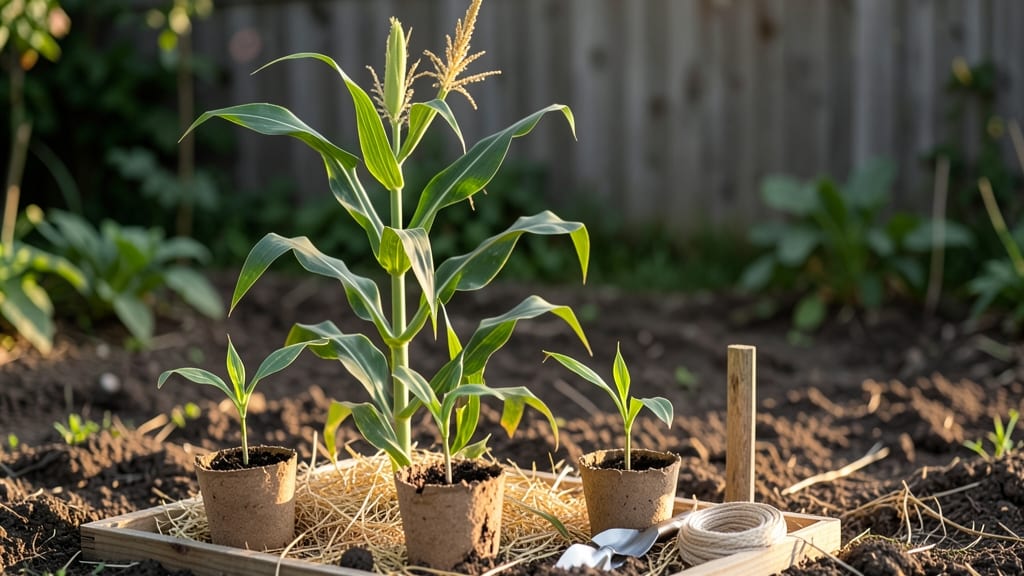
Timing your 🌽 corn planting in New Hampshire could make or break your harvest—get it wrong, and frost will turn your tender seedlings into sad, mushy memories before they even reach knee-high.
The spring window here is narrow, with last frost dates that vary from late May in southern regions to early June in the northern hills, so knowing exactly when to drop those seeds is everything.
I’ve watched too many gardeners rush planting because they think "early is better," only to have their crop wiped out by a surprise frost. The truth? Corn needs warm soil—at least 50°F—and consistent heat to thrive.
If you plant too soon, your seeds will rot in cold ground, and if you wait too long, you might miss the summer window entirely.
Here’s what you need to know: the best time to plant corn in New Hampshire depends on your USDA zone, the variety you choose (early, mid-season, or late), and whether you’re willing to gamble on a shorter season.
I’ll break down the exact frost-free windows, soil temperature triggers, and even how to adjust if Mother Nature throws you a curveball with a late spring or early frost.
Ready to grow 🌽 corn that actually reaches harvest? Let’s dive into the science—and the secrets—so you can enjoy golden ears instead of empty rows by fall.
New Hampshire corn planting dates by frost Zone & variety type
New Hampshire's cool climate and unpredictable spring frosts demand precise timing for corn planting. Most gardeners aim to plant after the average last frost date, which typically falls between May 15-30 depending on your USDA zone.
In Zone 3 (northern NH), wait until late May, while Zone 5 (southern NH) can start as early as mid-May.
Corn thrives with warm soil temperatures (at least 50°F) and consistent sunshine. Planting too early risks seed rot, while waiting too long may shorten the harvest window.
For sweet corn, prioritize timing to ensure 90-120 frost-free days before the first fall frost (usually September 15-30).
Your corn variety also dictates planting dates. Early-maturing sweet corn (like 'Ambrosia' or 'Silver Queen') can handle cooler soils and shorter seasons, while late-maturing varieties (like 'Peaches and Cream') need warmer conditions. Field corn and popcorn generally require 100+ days to mature, pushing planting dates even earlier.
Here’s how NH’s USDA zones break down for corn planting:
| USDA Zone | Avg. Last Frost | Ideal Planting Window | Variety Recommendation | Days to Maturity |
|---|---|---|---|---|
| Zone 3 (Northern NH) | May 25–June 5 | June 1–15 | Early sweet corn (e.g., 'Early Sunglow') | 75–90 days |
| Zone 4 (Central NH) | May 10–20 | May 20–June 10 | Mid-season sweet corn (e.g., 'Ambrosia') | 85–100 days |
| Zone 5 (Southern NH) | May 1–15 | May 15–June 5 | Late sweet/field corn (e.g., 'Peaches and Cream') | 90–120 days |
For popcorn or field corn, extend your planting window by 1-2 weeks earlier since these varieties tolerate cooler soils better. However, avoid planting before soil temperatures consistently reach 55°F, or seeds may fail to germinate.
Use a soil thermometer to monitor conditions—this is especially critical in Zone 3, where cool springs are common.
Pro tip: If you’re unsure about frost dates, check the NH Agricultural Experiment Station’s frost calendar or use a frost-free date calculator for your specific town. Local 4-H Extension offices also provide updated planting guides based on recent weather patterns.
For example, Concord (Zone 5) averages a last frost on May 10, while Berlin (Zone 3) often waits until June 1.
Planting directly in the garden (not transplanting seedlings) is ideal for corn. Sow seeds 1 inch deep and 4–6 inches apart in rows 30 inches apart to allow for proper pollination.
If you’re planting multiple varieties, space them at least 200 feet apart to prevent cross-pollination, which can affect flavor and kernel development.
Remember, corn is a heavy feeder, so enrich your soil with compost or a balanced fertilizer (like 10-10-10) before planting. This ensures your plants have the nutrients they need to thrive during NH’s short growing season.
Once planted, maintain consistent moisture—corn needs 1–2 inches of water per week, especially during tasseling and ear development.
Finally, keep an eye on the weather forecast in late summer. If an early frost is predicted, harvest your corn immediately—even slightly underripe ears can be sweetened in a hot oven or boiling water for a few minutes.
With the right timing, you’ll enjoy homegrown NH corn from July through September!
Soil temperature & heat unit requirements for corn in NH
Corn isn’t just picky about timing—it’s downright demanding about soil warmth. Seeds won’t even sprout until the ground hits a steady 50°F, and true growth kicks in only when it reaches 60°F.
In New Hampshire, where spring lingers like a stubborn guest, this can mean waiting until late May or even early June, depending on your zone.
But here’s the kicker: corn also needs growing degree days (GDD), a measure of heat accumulation, to mature. Most sweet corn varieties require 1,000–1,300 GDDs from planting to harvest.
In NH’s cooler zones (like 3b or 4a), this narrows your window even further—you might only get 120–140 frost-free days, leaving little room for error.
To nail this, grab a soil thermometer and check temperatures at a depth of 2 inches. If it’s below 50°F for three consecutive days, your seeds will rot.
Wait until it’s consistently above 50°F for at least a week before planting. Pro tip: Dark-colored soil warms faster—consider a black plastic mulch to speed up the process.
If you’re planting in containers, the soil warms faster, so you might shave off a week or two. But beware: pots dry out quicker, and corn’s roots need depth—opt for 12-inch-deep containers if you’re going this route.
And remember, evening temperatures matter too. Corn needs consistent warmth, so avoid planting if nights dip below 55°F.
One last secret: Early varieties (like ‘Early Sunglow’) can tolerate slightly cooler soils and shorter seasons, while late varieties (like ‘Golden Bantam’) need every heat unit they can get. Match your choice to your frost-free window, and you’ll be feasting on fresh 🌽 corn by late summer.
Don’t guess—measure. Your future corn harvest depends on it.