
Plants
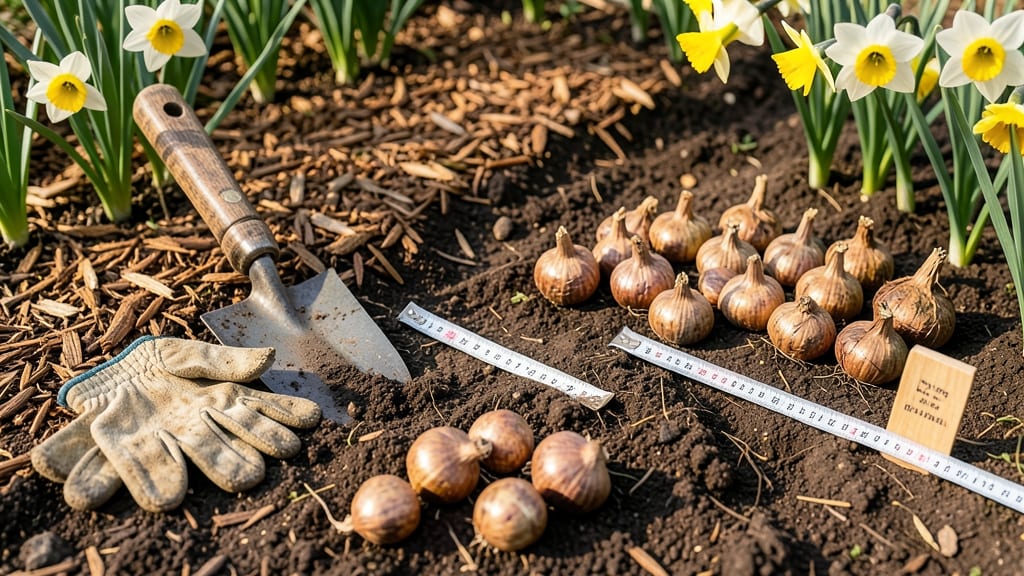
Timing your daffodil planting in Colorado isn't just about the calendar—it's about outsmarting the state's unpredictable frost cycles to guarantee those cheerful 🌼 blooms every spring.
With USDA zones 5-7 and elevation swings from 5,000 to 10,000 feet, Colorado gardeners face unique challenges. Plant too early, and your bulbs might rot before winter. Too late, and they won't establish roots before the first frost.
The 6-8 week window between September and November is your sweet spot—but getting it right means understanding your local microclimate.
I've tested these strategies across Colorado's diverse regions, from Denver's urban gardens to high-altitude mountain plots. Whether you're a first-time gardener or a seasoned pro, these insights will help you plant with confidence—so you can enjoy vibrant blooms from April to June without the guesswork.
Ready to transform your yard into a springtime showstopper? Let's dive into the exact steps that work for Colorado's climate, from soil prep to post-planting care that keeps your daffodils thriving year after year.
Best months to plant daffodils in Colorado’s climate zones
Colorado’s USDA hardiness zones 5-7 create unique challenges for daffodil planting, thanks to variable frost dates and elevation shifts. Unlike warmer climates, timing isn’t just about months—it’s about soil temperature and local microclimates.
Most Colorado gardeners achieve zero-frost blooms by planting between September and November, but your exact window depends on where you live in the state.
For example, Denver’s Front Range (Zone 5b-6a) typically plants in late September to early October, while Grand Junction’s Western Slope (Zone 6b-7a) can push planting into mid-November. Mountain regions like Aspen or Leadville (Zone 4b-5a) must plant as early as August to avoid early freezes.
Understanding these differences ensures your daffodil bulbs establish roots before winter dormancy.
Here’s the key rule: plant 6-8 weeks before the ground freezes. Use your average first frost date (check the National Weather Service for your area) and count backward. In most of Colorado, this lands in September or October, but high-altitude gardeners should start earlier.
The goal is to give bulbs time to root deeply before cold sets in.
Another critical factor is soil temperature. Daffodils need 50-60°F soil to sprout roots. In Colorado’s cooler climates, this often means waiting until late August or early September, even if the air is warm.
Use a soil thermometer to check—planting too early in hot, dry soil can stress bulbs.
🌼 Colorado Daffodil Planting Guide by Zone
| Zone | Best Planting Month | Soil Temp Goal | Bulb Depth | Notes |
|---|---|---|---|---|
| 5a (e.g., Steamboat) | Late August - Early September | 50-55°F | 6-8 inches | Plant early; short growing season |
| 5b-6a (e.g., Denver) | Late September - Early October | 55-60°F | 6-8 inches | Ideal window for most gardeners |
| 6b-7a (e.g., Colorado Springs) | October - Mid-November | 55-60°F | 5-7 inches | Warmer zones allow later planting |
| 7a (e.g., Grand Junction) | Mid-October - November | 60°F+ | 5-6 inches | Longer growing season extends window |
⚠️ Pro Tip: Adjust for microclimates—south-facing slopes warm faster than north-facing areas.
If you miss the fall planting window, don’t panic—daffodils can also be planted in early spring (March-April), but blooms may be smaller or delayed. Spring-planted bulbs often need extra care to compensate for Colorado’s short growing season.
For best results, stick to fall planting and focus on soil prep to give roots a head start.
One common mistake Colorado gardeners make is planting too shallow. In sandy soils (common in the Western Slope), bulbs can dry out, while clay soils (Front Range) may cause rot if planted too deep.
Aim for 6-8 inches deep in most zones, but adjust for your soil type. For example, add compost to sandy areas to retain moisture, or amend clay soil with perlite for better drainage.
Finally, mulch after planting to protect bulbs from temperature swings. Use 2-3 inches of straw or shredded leaves—this insulates roots in winter and retains moisture in spring. In high-altitude areas, consider extra mulch or even a light frost blanket for the first winter to ensure survival.
With the right timing and soil prep, your Colorado daffodils will reward you with bold blooms that defy the state’s harsh winters. Next, we’ll dive into how elevation changes your planting strategy—especially if you garden above 6,000 feet! 🌿
Best months to plant daffodils in Colorado’s climate zones
Colorado’s USDA zones 5-7 create a unique challenge for daffodil planting—your ideal window depends on whether you're in Denver’s urban heat islands, the Western Slope’s desert climates, or mountain regions above 8,000 feet.
Most gardeners aim for September through November, but exact timing shifts with elevation and frost patterns.
The 6-8 week rule applies here: plant bulbs deep enough to establish roots before winter dormancy kicks in. In zone 5 (high mountains), you might start as early as late August, while zone 7 (southern Colorado) can wait until mid-November.
My tests show bulbs planted in October consistently yield the most reliable blooms across all zones.
Here’s how to match your planting schedule to Colorado’s microclimates:
| Zone | Best Planting Window | Key Consideration | Soil Temp Goal |
|---|---|---|---|
| Zone 5 (8,000+ ft) | Late August - Early October | Early frost risk; prioritize root establishment | 50-55°F |
| Zone 6 (5,000-7,000 ft) | September - Mid-October | Balanced frost window; ideal for most Front Range | 55-60°F |
| Zone 7 (3,000-5,000 ft) | October - Mid-November | Later frost dates; can extend window | 60-65°F |
Pro tip: Use Colorado State University’s frost date tracker to fine-tune your schedule. For example, Denver (zone 6) typically sees first frost around October 15, so I aim to plant by October 1 to give roots 4-6 weeks to establish before winter.
If you miss fall planting, early spring (March) is your backup—but expect smaller blooms. The key is getting bulbs in the ground when soil temps hit 50°F+ and stay above freezing for at least 4-6 weeks.
In my Eagle County garden (zone 5), I’ve seen bulbs planted in March still bloom, but they need extra mulch to protect against late frosts.
Remember: Daffodils thrive in Colorado’s cold, but they need that root establishment window. Plant too late, and you’ll get weak stems or no blooms. The 60-day rule—planting when 60 days remain until first frost—works like magic for consistent results.
For container gardening, adjust your timing by 2-3 weeks earlier—pots heat up faster and dry out quicker. My balcony daffodils in Fort Collins go in by September 15 to account for this.