
Plants
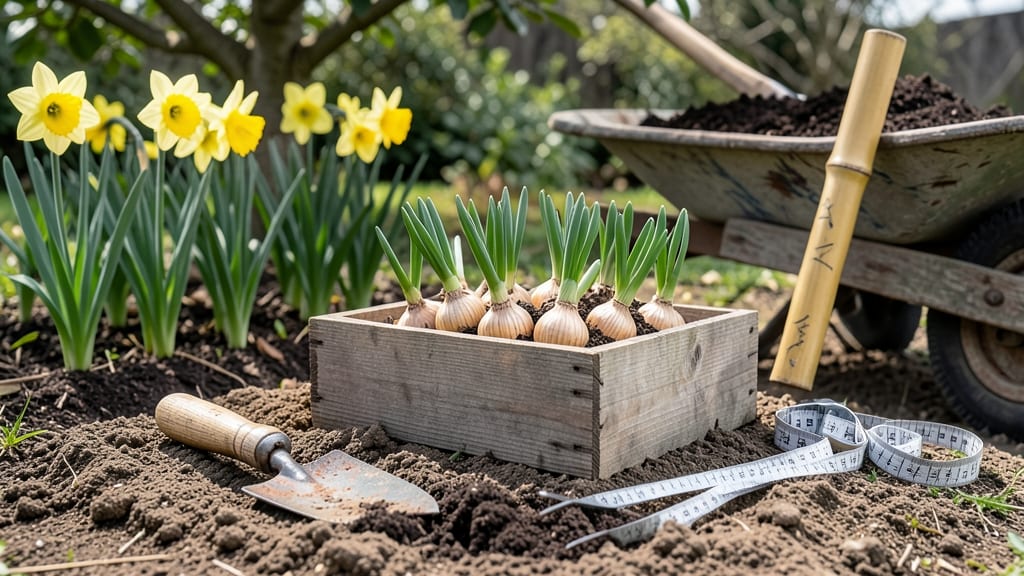
Planting your 🌼 daffodil bulbs in Massachusetts at the wrong time could mean the difference between a vibrant spring display and a missed opportunity. The key window—October through November—lets bulbs establish roots before winter chill sets in, ensuring those cheerful blooms appear right on schedule.
Here’s the catch: if you plant too early, bulbs may rot in warm soil; too late, and they won’t have time to root before frost locks the ground. Massachusetts gardeners in zones 5b-6b need to time this perfectly, balancing soil temperature and frost dates for success.
I’ll walk you through the exact steps—from soil prep to bulb depth—so you can plant with confidence. Whether you’re in Boston, the Cape, or the Berkshires, these tips will help you avoid common mistakes and set your garden up for zero-frost success.
Ready to transform your yard into a springtime showstopper? Let’s get those bulbs in the ground the right way.
Massachusetts daffodil planting calendar: exact frost-date deadlines by region
Massachusetts gardeners face a 6-week planting window for daffodil bulbs, but timing varies by region. The critical rule: plant when soil temps hit 40-50°F and 6-8 weeks before ground freeze.
In Boston, this means mid-October to early November, while Cape Cod’s milder climate extends the window until late November.
Western MA’s higher elevations (like the Berkshires) demand earlier planting—late September to mid-October—to account for earlier frosts. These regional differences matter because bulbs need 4-6 weeks of root growth before winter dormancy sets in. Miss this window, and your daffodils may rot or fail to bloom.
Here’s how to align your planting with Massachusetts’ USDA zones 5b-6b and average frost dates:
| Region | USDA Zone | Avg. First Frost | Ideal Planting Window | Soil Temp Threshold |
|---|---|---|---|---|
| Boston & Eastern MA | 6a-6b | Nov 10–15 | Oct 15–Nov 5 | 45–50°F |
| Central MA (Worcester, Springfield) | 5b-6a | Nov 5–10 | Oct 1–Oct 25 | 40–45°F |
| Western MA (Berkshires) | 5a-5b | Oct 25–Nov 5 | Sep 25–Oct 15 | 38–42°F |
| Cape Cod & Islands | 6b-7a | Nov 20–Dec 5 | Oct 30–Nov 20 | 48–52°F |
⚠️ Pro Tip: Use a soil thermometer to confirm temps—bulbs planted in warm soil (>55°F) may sprout too early and get frost damage.
For gardeners in USDA zone 5b (like Western MA), aim for late September planting—this gives bulbs time to establish roots before the ground freezes.
In zone 6b (Cape Cod), you can push planting to mid-November, but avoid waiting until December, as bulbs need at least 6 weeks of chill to bloom properly.
If you’re unsure about your local frost date, check the National Weather Service’s Frost/Freeze Forecast for your town. Most Massachusetts regions experience their first hard frost between November 5–20, so plan accordingly.
For example, Boston’s average first frost is November 15, so planting by October 25 ensures bulbs have enough time to root.
One common mistake is planting too late—after November 15 in most of MA—because bulbs won’t have time to develop strong roots before winter. This leads to weak or non-blooming daffodils the following spring.
Conversely, planting too early (before mid-September) risks rot in warm soil, as bulbs need cooler temps to stay dormant until winter.
To maximize bloom potential, pair your planting with well-draining soil and a thin layer of mulch (2–3 inches) after planting. This protects bulbs from freeze-thaw cycles and keeps soil temps stable.
In clay-heavy soils (common in Central MA), mix in compost or sand to improve drainage—this is critical for preventing bulb rot.
Remember: Daffodils planted in fall will reward you with spring blooms that appear before most weeds, making them a low-maintenance staple. By following your region’s frost-date deadlines, you’ll ensure vibrant, healthy daffodils year after year. 🌼
5 Critical signs your Massachusetts soil is ready for daffodil bulbs (and what to do if it’s not)
Before you even dig into your Massachusetts soil, check for these 5 key readiness signs. Daffodil bulbs need well-draining, cool soil to establish roots before winter—so if your garden doesn’t meet these conditions, you’ll need to adjust your planting timeline or prep the soil first.
First, test your soil’s moisture level. Stick your finger about 4-6 inches deep—if it feels damp but not soggy, you’re good. Too wet? Wait until the ground dries slightly or amend with compost or sand to improve drainage. Bulbs planted in soggy soil will rot before they even sprout.
Next, check the soil temperature. Daffodils thrive when soil is between 40-50°F. Use a soil thermometer or wait until nighttime temperatures consistently dip below 60°F—a sure sign fall has arrived. In Boston, this usually happens by mid-October, while Cape Cod may be a week earlier.
🌱Pro Tip: If your soil is still too warm, plant in containers or delay until conditions improve. Bulbs won’t establish roots in heat, and you’ll waste your investment.