
Plants
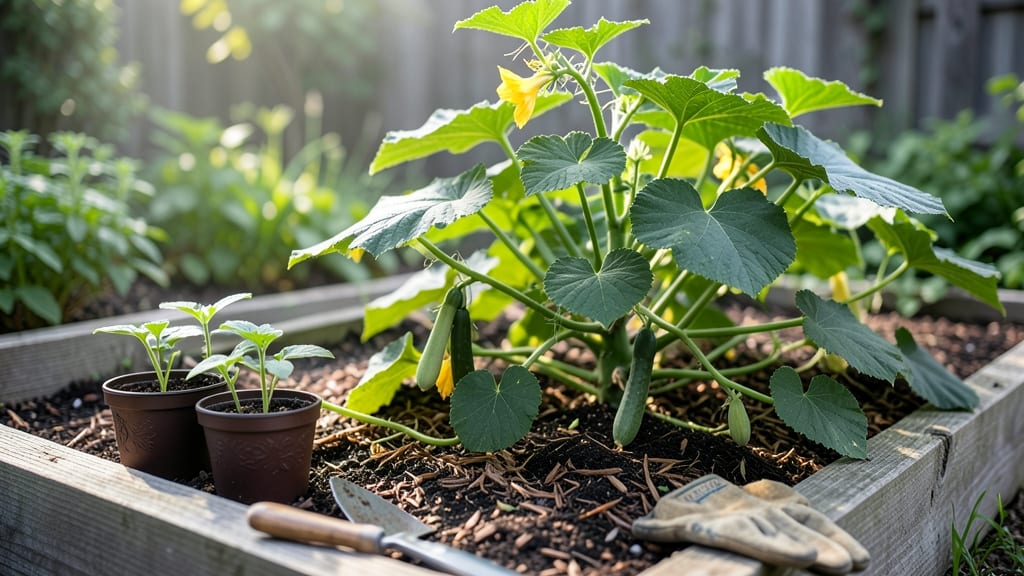
If you've ever struggled with when to plant cucumbers in Zone 9, you're not alone—getting the timing right can mean the difference between a thriving 🥒 harvest and wilted vines before they even take off.
Zone 9’s long, hot summers might seem intimidating for cucumbers, but with the right strategy, you can beat the heat and enjoy fresh produce straight from your garden. The key is planting at the perfect moment—when soil temperatures hit 60°F and before the peak summer scorcher sets in.
In this guide, I’ll break down the exact windows for both spring and fall planting, whether to start seeds indoors or sow directly, and how to stretch your harvest season. You’ll also discover the best heat-tolerant varieties that actually thrive in Zone 9’s climate.
Ready to turn your garden into a cucumber oasis? Let’s dive into the timing secrets that will give you a bumper crop—without the guesswork.
Best planting windows for cucumbers in Zone 9: exact dates by method
Zone 9 gardeners enjoy long, warm growing seasons—but cucumbers need precise timing to avoid heat stress and maximize yields. Unlike cooler zones, Zone 9’s frost-free period spans nearly year-round, but soil temperature and summer heat dictate the best windows.
Plant too early, and seedlings rot; too late, and vines wilt before producing. Let’s break down the optimal dates for direct sowing vs. transplants in both spring and fall.
For spring planting, aim to sow cucumbers when soil temperatures consistently reach 60°F or higher. This typically falls between mid-February and early March in most of Zone 9, depending on microclimates.
Coastal areas may start slightly later, while inland regions can plant earlier. Transplants can go in 2-3 weeks after direct sowing, once nighttime temperatures stabilize above 55°F.
| Planting Method | Zone 9 Window | Soil Temp | Key Notes |
|---|---|---|---|
| Direct Sowing (Spring) | Mid-February to Early March | 60°F+ | Use black plastic mulch to warm soil faster |
| Transplants (Spring) | Late March to Mid-April | 55°F+ nights | Hardened-off seedlings only; avoid frost pockets |
| Direct Sowing (Fall) | Late August to Early September | 65°F+ | Choose fast-maturing varieties for cooler temps |
| Transplants (Fall) | Mid-September | 60°F+ days | Extend season with row covers; harvest before frost |
Fall planting is often overlooked but can yield high-quality cucumbers before winter sets in. In Zone 9, late August to early September is ideal for direct sowing, with transplants going in by mid-September.
The goal is to harvest before daytime temperatures drop below 70°F, which slows growth. Use heat-tolerant varieties like ‘Straight Eight’ or ‘Marketmore’ for extended fall production.
Microclimates play a huge role in Zone 9. If you’re in a cooler high-elevation area (e.g., 3,000+ ft), delay planting by 2-3 weeks to avoid early-season chill. Conversely, urban heat islands or desert-adjacent zones may allow planting 1-2 weeks earlier.
Always monitor soil temperature with a thermometer—cucumbers won’t germinate below 55°F, even if air temps are warm.
Pro tip: Succession plant every 2 weeks in spring and fall to stagger harvests. This ensures a continuous supply of fresh cucumbers instead of a single overwhelming crop.
For example, sow a batch in late February, another in early March, and a final one in late August for a fall harvest. This method also reduces pest pressure, as different plantings mature at different times.
If you’re starting transplants indoors, begin seeds 3-4 weeks before your target outdoor date. Use grow lights or a sunny windowsill and transplant seedlings when they have 2-3 true leaves.
Harden them off for 5-7 days by gradually exposing them to outdoor conditions. Avoid transplant shock by watering deeply the day before and after moving them outside.
One common mistake in Zone 9 is planting too late in spring, leading to vines struggling during the peak summer heat (July-August). To avoid this, prioritize early spring or late summer planting and choose heat-tolerant varieties.
If you miss the spring window, don’t despair—fall planting can still be productive with the right care.
For container growers, plant cucumbers in large pots (5+ gallons) and place them in full sun. Containers dry out faster, so water daily in summer and use self-watering systems if possible.
Dwarf varieties like ‘Bush Champion’ are perfect for containers and can be planted 1-2 weeks later than ground planting since they’re less sensitive to heat.
Remember, Zone 9’s long growing season is a gift—but timing is everything. By following these exact windows and adjusting for your local microclimate, you’ll enjoy crisp, homegrown cucumbers from spring through fall. Happy planting! 🌱
Best planting windows for cucumbers in Zone 9: exact dates by method
In Zone 9, cucumbers thrive when planted during two key windows: early spring and late summer. Unlike cooler zones, you avoid frost entirely, but soil temperature and heat tolerance determine success.
Plant too early, and vines struggle in the heat; too late, and harvests shrink before winter. Let’s break down the optimal dates for direct sowing and transplants.
For spring planting, aim for mid-February to early March when soil reaches 60°F+. This timing lets cucumbers establish roots before summer’s peak heat. In fall, plant late August to early September for a second harvest before cooler weather slows growth.
Both windows avoid the hottest months (June-July), when cucumbers wilt or produce bitter fruit.
If you’re starting seeds indoors, begin 6-8 weeks before transplanting (late December to early February). Use grow lights to prevent leggy seedlings, then harden off plants for 10-14 days before moving them outdoors.
This method gives you a head start but requires consistent care—overwatering or cold drafts can kill tender seedlings.
For container growing, plant 1-2 weeks later than in-ground dates since pots heat up faster. Choose bush varieties like ‘Bush Champion’ to save space, and use self-watering pots to prevent drought stress. Containers also let you move plants to partial shade during afternoon heat spikes (2 PM–5 PM).
Microclimates matter in Zone 9. Coastal areas stay cooler, so you can plant 2-3 weeks earlier than inland zones. Conversely, desert-like regions (e.g., Phoenix) may need shade cloth even in spring. Observe your garden’s sun exposure—south-facing beds heat up fastest, while north-facing spots stay cooler for longer.
Pro tip: Use a soil thermometer to confirm readiness. Cucumbers won’t germinate below 55°F, and roots suffer above 95°F. If your soil is too cold, cover seed beds with clear plastic for 1–2 weeks to accelerate warming. This trick works wonders in Zone 9’s unpredictable early springs.