
Plants
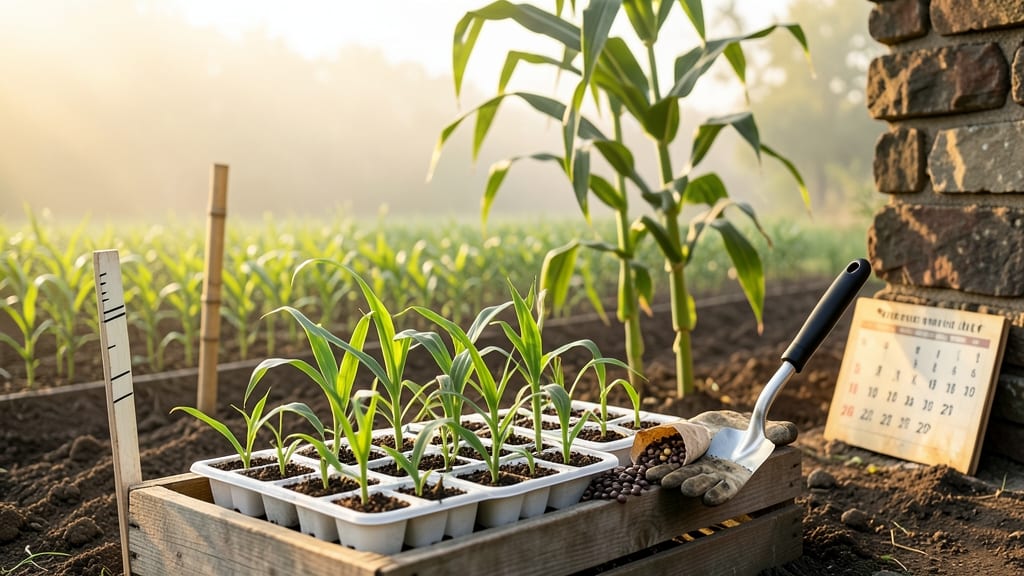
Knowing when to plant corn in Zone 5 can mean the difference between a garden full of tall, golden stalks and a sad, frost-bitten disappointment.
The key isn't just waiting for the calendar to flip to May—it's about watching for that perfect soil temperature that signals your 🌽 seeds are ready to sprout fast and strong.
In Zone 5, where frost lingers until mid-May, planting too early can leave your seedlings vulnerable, while waiting too long might cut your harvest short.
But here's the good news: with the right timing and a few pro tips, you can stretch your growing season and enjoy sweet, homegrown corn from late July through October.
I'll walk you through exactly what soil temperature to aim for, how to test it (even without fancy tools), and which corn varieties thrive in your climate. Plus, I'll share my favorite tricks for giving your plants a head start when the weather plays tricks.
Ready to grow corn that's faster, healthier, and more productive? Let's get your garden prepped for the perfect planting window—no guesswork required.
Optimal soil temperature for planting corn in Zone 5 gardens
Corn is a warm-season crop, and in Zone 5, getting the soil temperature right is critical for fast germination. Seeds won’t sprout reliably below 50°F, but they’ll germinate best when soil reaches 60°F or warmer.
This threshold ensures roots establish quickly, giving your plants a strong start before summer heat arrives.
Cold soil is the #1 reason corn fails in Zone 5—even if air temperatures seem warm. Use a soil thermometer (just $10 at garden centers) to check 1-2 inches deep, where seeds will be planted.
If your thermometer reads below 50°F, wait a few more days. Patience here prevents wasted seeds and stunted growth.
For faster soil warming, try these Zone 5 hacks:
- Lay down black plastic mulch 1-2 weeks before planting
- Use row covers to trap heat during the day
- Plant near south-facing fences or buildings that absorb sunlight
🌱
| Stage | Soil Temp (°F) | Germination Time | Action |
|---|---|---|---|
| Minimum for Germination | 50°F | 7-14 days | Plant if no frost risk |
| Ideal for Fast Growth | 60°F+ | 5-7 days | Best planting window |
| Too Cold for Success | Below 50°F | 14+ days (often fails) | Wait or use mulch |
| Peak Growth Temp | 70-85°F | 3-5 days | Monitor water needs |
If you’re planting in early April (common for early varieties), your soil may still be chilly. Test it in the morning after sunrise—that’s when temps are lowest.
For a reliable harvest, aim to plant when soil hits 60°F consistently, which in most of Zone 5 happens around mid-to-late May.
Pro tip: Check your local USDA Plant Hardiness Zone map for microclimate variations. Areas near large bodies of water or urban heat islands may warm up 1-2 weeks earlier than rural spots. Adjust your planting date accordingly to avoid frost damage.
For container gardening, soil warms faster in pots. Place containers on black plastic sheets or use self-heating seedling mats ($15-$20) to shave off critical days. This lets you plant 2-3 weeks earlier than in-ground soil.
Remember: Corn seeds stay viable in cold soil for only 7-10 days before they rot. If germination doesn’t happen within that window, replant. The key is balance—plant early enough for a full season, but not so early that frost zaps your seedlings.
🌡️
Best planting dates for Zone 5 corn varieties (early, mid, late season)
Choosing the right corn variety and planting date in Zone 5 can mean the difference between a bountiful harvest and a disappointing one.
Early varieties like 'Silver Queen' thrive when planted in late April to early May, while late-season types such as 'Ambrosia' need a May to early June start to mature before frost.
The key is aligning your planting window with your last frost date—typically mid-May in Zone 5—and the days to maturity of your chosen variety.
For early-season corn, aim for a 60- to 70-day variety to ensure harvest before the first frost. Mid-season varieties (70-85 days) planted in early to mid-May give you flexibility, while late-season types (85+ days) should go in the ground by late May.
If you love sweet corn but want to extend your harvest, consider planting a successive crop every 2 weeks—just be sure to stagger varieties with different maturity times.
Here’s how to match your corn variety to the perfect Zone 5 planting window:
| Variety Type | Days to Maturity | Best Planting Window | Harvest Window | Notes |
|---|---|---|---|---|
| Early Season | 60–70 days | Late April–Early May | Late June–Early July | Best for quick harvests; risk of frost if planted too late. |
| Mid-Season | 70–85 days | Early–Mid May | Late July–Early September | Most versatile; ideal for Zone 5 gardeners. |
| Late Season | 85–120 days | Late May–Early June | Late August–Early October | Extend harvest season; needs warm soil to germinate. |
Don’t forget to account for microclimates in your area. A south-facing garden or urban heat island effect might let you plant 1-2 weeks earlier, while shady spots or high-altitude gardens may require a later start.
Use a soil thermometer to confirm your soil has reached 60°F+—corn seeds won’t germinate reliably below this threshold. If your soil is still chilly, try black plastic mulch or a row cover to warm it up faster.
For successive planting, space out your corn varieties every 2 weeks from late April through early June. This ensures a continuous harvest and reduces the risk of losing your entire crop to pests or disease.
Just remember: corn needs space—plant rows 30–36 inches apart to give stalks room to grow tall and strong. If you’re short on space, opt for dwarf varieties like 'Bodacious', which max out at 5–6 feet instead of the usual 8–10 feet.
Pro tip: Keep a planting journal to track your corn’s progress each year. Note when you planted, how quickly seeds germinated, and any pests or diseases you encountered. Over time, you’ll fine-tune your Zone 5 planting schedule for perfect timing every season. 🌽