
Plants
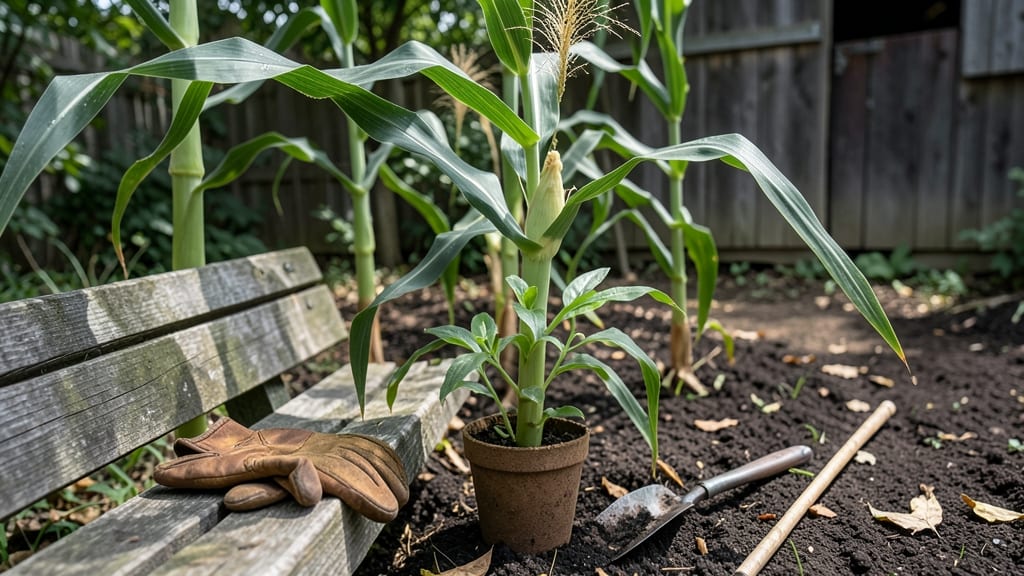
Timing your corn planting in Vermont isn’t just about the calendar—it’s about catching that golden window when soil temperatures hit 50°F (10°C) and frost risks fade. Miss it, and your 🌽 seeds may languish in cold soil, delaying germination by weeks.
Get it right, though, and you’re looking at fast, vigorous growth and a harvest ready by late summer.
Here’s the kicker: Vermont’s 4b-6a zones mean your neighbors in Burlington might plant a week earlier than those in Montpelier. We’ll break down the exact soil triggers and regional frost dates so you can avoid the costly guesswork that turns hopeful gardeners into frustrated corn-chasers.
Whether you’re eyeing early varieties for a jump-start or late ones to stretch your season, knowing when to drop those seeds is the key to success. I’ll share how to test soil readiness, adjust for Vermont’s quirky weather, and even troubleshoot common mistakes that leave gardeners scratching their heads.
Ready to turn your corn patch into a thriving Vermont staple? Let’s dive into the fast-track planting strategy that’ll have your kernels plumping up by harvest time.
Optimal soil temperature for planting corn in Vermont’s climate zones
Vermont’s USDA zones 3–5 create unique challenges for corn growers. Unlike warmer climates, soil temperature—not just air temperature—dictates when your seeds will germinate. Corn thrives when soil reaches 50°F–60°F (10°C–15°C), but Vermont’s late springs often delay this milestone.
Testing your soil’s warmth with a soil thermometer is non-negotiable for success.
In northern Vermont (zones 3–4), where frost lingers longer, aim for mid-May planting. Southern regions like Burlington (zone 4b) can start slightly earlier, but never plant before May 15 unless you’ve confirmed soil warmth.
Early varieties like ‘Early Sunglow’ (65-day maturity) tolerate cooler soils better than ‘Golden Bantam’ (80-day), which needs consistent warmth.
Cold soil is corn’s #1 enemy—seeds rot before sprouting if temperatures dip below 50°F. To accelerate warming, use black plastic mulch or plant near south-facing structures that absorb sunlight.
In my zone 4a garden, I’ve seen 3-week germination delays when planting too early, even if air temps feel spring-like.
🌱
| Zone | Ideal Planting Window | Soil Temp Trigger | Variety Recommendation | Frost Risk |
|---|---|---|---|---|
| 3 (Northern VT) | Mid-May to early June | 55°F–60°F (13°C–15°C) | Early Sunglow (65 days) | High (last frost: May 20) |
| 4a (Montpelier) | Late April–May 15 | 50°F–55°F (10°C–13°C) | Golden Bantam (80 days) | Moderate (last frost: May 10) |
| 4b (Burlington) | Early May–June 1 | 50°F–60°F (10°C–15°C) | Silver Queen (90 days) | Low (last frost: May 5) |
| 5 (Southern VT) | Late April–May 20 | 50°F+ (10°C+) | Peaches & Cream (85 days) | Minimal (last frost: April 25) |
🌽 Pro Tip: Use a soil thermometer for 3 days in a row to confirm consistency.
Frost dates are just one piece of the puzzle—soil moisture matters just as much. Corn seeds need consistent dampness to germinate, but waterlogged soil can suffocate them. In my zone 4a garden, I mix compost into planting rows to improve drainage while retaining moisture.
For heavy clay soils common in Chittenden County, I add sand or perlite to prevent compaction.
If Vermont’s late spring throws off your timing, consider container growing. Black pots absorb heat faster than soil and let you plant 2–3 weeks earlier. Just ensure containers are at least 12 inches deep—corn roots need space to anchor.
I’ve had success with 5-gallon buckets on my deck, harvesting earlier than ground-planted corn.
For late varieties like ‘Country Gentleman’ (110 days), you can push planting to early July for a fall harvest. These need 90+ frost-free days, so track your local first frost date (typically October 10–20) and count backward.
Planting in raised beds extends the season by 1–2 weeks due to warmer soil temps.
🌡️
Vermont-specific planting timelines: when to start indoors vs. direct sowing
Vermont’s short growing season means every day counts when planting corn. While direct sowing is the preferred method for most gardeners, starting seeds indoors can give you a 2-week head start in colder regions like the Northeast Kingdom.
The key is aligning your planting schedule with Vermont’s average last frost dates, which range from mid-May in Burlington to late May in Montpelier.
For indoor starts, begin seeds 4–6 weeks before your last frost date. Use biodegradable pots and plant them directly into the garden to avoid transplant shock.
If you’re in USDA Zone 4b (e.g., St. Johnsbury), aim for early April starts, while Zone 5a gardeners (e.g., Rutland) can wait until late April. Pro tip: Use a seedling heat mat to maintain soil temps at 75–85°F for faster germination.
Direct sowing is simpler and often yields better results for corn, as it avoids transplant stress. Once soil temperatures hit 50°F (10°C)—typically mid-May in most of Vermont—plant seeds 1 inch deep in rows spaced 30–36 inches apart.
For early varieties like 'Golden Bantam' or 'Country Gentleman', aim for May 1–15, while late varieties can go in until June 15.
If Vermont’s unpredictable springs leave you hesitant, consider using black plastic mulch to warm soil faster or seedling blankets to protect young plants. These tricks can shave 1–2 weeks off your planting timeline, giving your corn a critical growth advantage. For gardeners in Zone 4b, every extra day counts!
Don’t forget: Corn thrives on consistent warmth, so monitor soil temps with a soil thermometer.
If temps dip below 50°F after planting, germination can stall for weeks. Patience is key—wait for the right conditions, and your corn will reward you with tall, vigorous stalks ready for harvest by late summer.
For a foolproof schedule, mark your calendar for May 15 as your target direct-sowing date, then adjust based on your local frost data. Vermont’s USDA Zone 4b–5a climate demands precision, but with the right timing, you’ll be feasting on fresh Vermont-grown corn by August.