
Plants
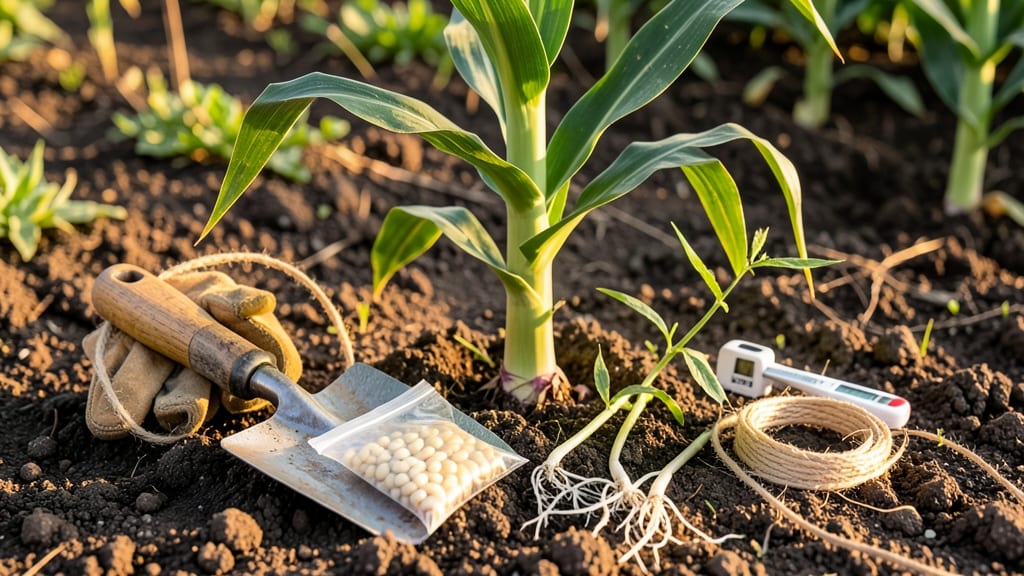
Timing your corn planting in Northeast Ohio could mean the difference between a bumper crop of sweet 🌽 and a disappointing harvest. With Zone 6a's unpredictable weather, getting those seeds in the ground too early risks frost damage, while waiting too long shrinks your yield potential.
Most gardeners in the region aim for mid-April to mid-May when soil temperatures consistently reach 50°F or warmer. This window gives your corn the 165 frost-free days it needs to mature properly before fall frosts arrive in October.
But here's the catch: local microclimates vary dramatically between cities like Akron, Cleveland, and Youngstown. I'll show you how to adjust your planting schedule based on your specific location and soil conditions for maximum success.
Whether you're a first-time gardener or a seasoned grower, these practical tips will help you plant at the perfect moment—ensuring your corn has enough time to reach that ideal harvest window from late July through September.
Optimal planting dates for corn in Northeast Ohio’s frost-free window
Northeast Ohio’s Zone 5-6 climate creates a tight window for planting corn—just 165 frost-free days from last spring frost to first fall frost. To maximize yields, aim for mid-April to mid-May when soil temperatures consistently reach 50°F or warmer.
This aligns with the region’s average last frost date of April 15, though microclimates in cities like Cleveland or Youngstown may vary by 1-2 weeks.
Corn seeds won’t germinate below 50°F soil temps, and seedlings are vulnerable to late frosts if planted too early. Waiting until soil warms to 60°F+ (ideal for germination) ensures strong, uniform growth.
Use a soil thermometer to track progress—my local garden center sells them for under $10 and they’re worth every penny for corn success.
| Region | Last Frost Date | Ideal Planting Window | Soil Temp Threshold |
|---|---|---|---|
| Akron | April 20 | May 1-15 | 60°F+ |
| Cleveland | April 15 | April 25-May 10 | 55°F+ |
| Youngstown | April 22 | May 1-14 | 60°F+ |
| 🌱 Key Tip: Adjust 1-2 weeks later for high-altitude areas (e.g., Geauga County). | |||
For early varieties (70-80 days to maturity), you can push planting to late April if your soil warms quickly. My neighbor in Willoughby Hills plants ‘Early Sunglow’ corn by April 25 every year and still gets 6-foot stalks with plump ears.
Late varieties (90+ days) need to be in by May 10 to mature before the October 15 average first frost.
Don’t forget about succession planting—sow a second crop 2 weeks after your first planting to extend your harvest. This works well with bush corn varieties, which mature faster and take up less space.
I’ve had great success with ‘Golden Bantam’ planted in early June for a late-summer harvest just before frost.
If you’re using row covers or a high tunnel, you can plant corn 2-3 weeks earlier to protect seedlings from late frosts. Just remove covers once plants reach 6 inches tall to avoid overheating.
My Cleveland garden benefits from this—last year, I planted ‘Peaches and Cream’ under row covers on April 10 and had no frost damage.
Watch for soil moisture during planting—corn seeds need consistent moisture to germinate. If your soil feels dry, water deeply before planting and keep it moist until seedlings emerge. I use a moisture meter to check soil conditions, especially in sandy soils common to Northeast Ohio, which dry out faster.
Pro tip: Mark your planting dates on a calendar and track frost dates from local weather stations like the NOAA Cleveland office. This helps you adjust yearly based on unpredictable spring weather.
Last spring’s late frost in May 2023 caught many gardeners off guard—planning ahead saved my corn crop!
For container growing, plant corn in large pots (12+ inches deep) and use fast-warming soil mixes. These can be planted 1-2 weeks later than in-ground corn since pots warm up faster in sun. Just ensure they get full sun exposure and deep watering daily during dry spells.
Remember: Corn needs space—plant in blocks, not rows, for better pollination. My 4x4 foot raised bed holds 16 plants of ‘Silver Queen’ corn, and they pollinate each other perfectly. This also makes harvesting easier and reduces the risk of cross-pollination issues with other corn varieties.
How to adjust corn planting for Northeast Ohio’s unpredictable weather patterns
Northeast Ohio’s weather can be as unpredictable as a toddler’s mood—one day it’s sunny and warm, the next you’re shivering through a surprise frost. That’s why flexibility in your corn planting schedule is key to avoiding disaster.
If you plant too early and a late frost hits, your tender seedlings will wither. Plant too late, and your corn won’t mature before the first frost in October.
I’ve learned the hard way that monitoring soil temperature is just as important as checking the calendar. Corn seeds won’t germinate well in cold soil—aim for at least 50°F, but 60°F or warmer is ideal for faster sprouting.
A simple soil thermometer (available for under $10) can save you from guessing games.
Here’s my go-to strategy for adjusting planting dates: Start seeds indoors in early April (using biodegradable pots) and transplant outdoors once the soil warms up. This gives you a 2-week buffer if Mother Nature decides to throw a cold snap your way.
For gardeners in higher elevations (like parts of Geauga County), push planting back by 1-2 weeks to account for cooler microclimates. Conversely, urban areas like Cleveland often warm up faster—you might get away with planting 1 week earlier if your soil is ready.
⚠️ Warning: Late Springs Are the Enemy
If your last frost date slips past mid-May (which happens more often than we’d like), don’t panic. Instead of abandoning corn entirely, opt for short-season varieties (like 'Early Sunglow') that mature in 70-80 days. Plant them as late as early June—just be prepared for smaller ears.
Another trick I swear by is succession planting. Instead of putting all your corn seeds in the ground at once, stagger plantings every 10-14 days through early June. This ensures a continuous harvest from late July through September, even if the weather plays tricks on you.
If an early frost threat looms in September, don’t rush to harvest—corn can tolerate light frosts (down to 28°F) if the ears are mature. Focus on protecting younger plants with row covers or cold frames.
And remember: corn silks need warmth to pollinate, so if temps drop below 55°F at night, your ears might not fill out properly.
Pro tip: Keep a gardening journal to track your local frost dates and soil temps year after year. Over time, you’ll spot patterns that help you fine-tune your planting schedule.
For example, I’ve noticed that Youngstown’s frost dates often run 3-5 days later than Cleveland’s—knowledge that’s gold for adjusting your timeline.