
Companion Plants
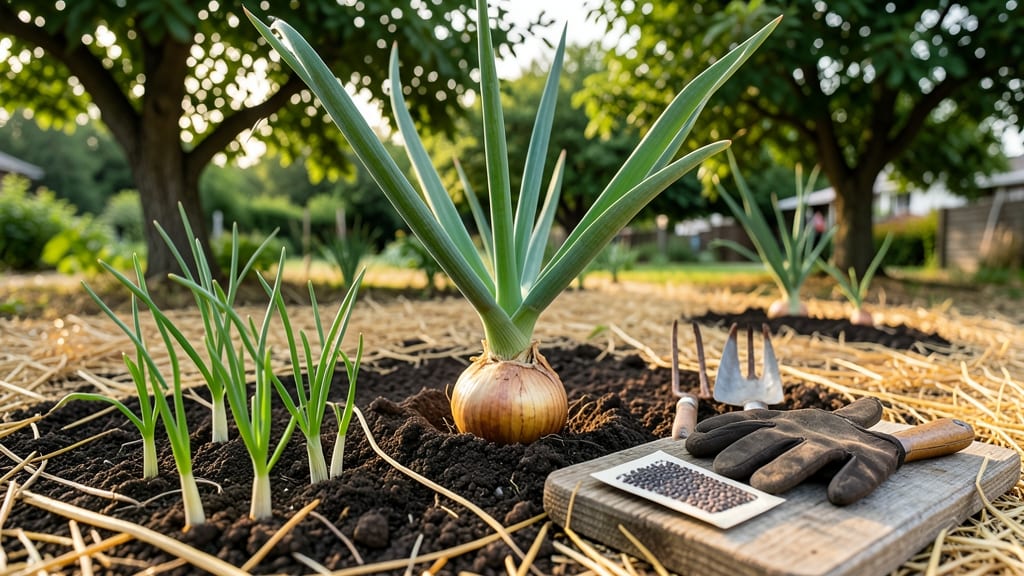
Knowing when to plant onions in Zone 6 is the key to avoiding bitter surprises in your garden. Whether you're growing 🧅 for crisp salads or hearty soups, timing matters—plant too early, and frost will stunt your crop; too late, and you might end up with scallions instead of bulbs.
Zone 6 gardeners have two prime opportunities: early spring or fall. But the exact window depends on whether you're sowing seeds, sets, or transplants—and how your local climate behaves. I'll break down the perfect frost-free timeline so you can plan with confidence, no guesswork involved.
Spring planting starts 4-6 weeks before your last frost date (typically mid-March in Zone 6), while fall planting gives you a second chance 8-10 weeks before the first frost.
The difference between these methods? One gives you bulbs, the other gives you green onions—both are useful, but you need to know which to plant when.
Let’s dive into the exact dates, soil prep tips, and variety choices that’ll make your onion harvest thrive—no matter what Zone 6 throws your way this season.
Zone 6 onion planting windows: exact dates for bulb vs green onions
Onions in Zone 6 thrive when planted at precise times—miss the window, and you’ll end up with bolting onions or stunted bulbs. The key is understanding your last frost date (typically April 15) and first frost date (around October 15).
For Zone 6, this means two ideal planting periods: early spring and late summer/fall.
Spring planting is your best bet for bulb onions, while green onions (scallions) can handle cooler temps and even tolerate light frost. The difference in timing comes down to day-length sensitivity—short-day onions need cooler weather to bulb properly, while long-day varieties prefer warmer spring soil.
Here’s the breakdown you need to avoid common mistakes like premature bolting or weak bulb development:
| Planting Type | Ideal Planting Window | Soil Temp Requirement | Key Considerations |
|---|---|---|---|
| Bulb Onions (from sets/transplants) | 4-6 weeks before last frost (early March to mid-April) | 40-50°F (4-10°C) | Use short-day varieties for best bulb formation. |
| Bulb Onions (from seed) | 8-10 weeks before last frost (late February) | 45-50°F (7-10°C) | Start indoors 6-8 weeks before transplanting. |
| Green Onions (scallions) | Early spring (March) or fall (September) | 35-45°F (2-7°C) | Tolerates light frost; harvest leaves as needed. |
| Fall Planting (for next year) | 8-10 weeks before first frost (late August) | 50-60°F (10-15°C) | Use cold-hardy varieties like Yellow Sweet Spanish. |
For spring planting, aim to get your onion sets or transplants in the ground by early March at the latest. Soil should be workable but not soggy—waiting for consistent 40°F+ temps ensures roots establish before warm-up.
If you’re sowing seeds, start them indoors in late February for transplanting outdoors in March.
Zone 6’s unpredictable spring weather can throw off timing, so always have row covers ready for late frosts. Green onions are far more forgiving—they’ll regrow after light frost and can even be planted in fall for winter harvests.
For bulb onions, fall planting is a smart backup: plant in late August to let roots establish before winter dormancy.
Pro tip: Use a soil thermometer to confirm temps before planting. Onions won’t germinate well in cold, wet soil—wait for 45°F+ for seeds or 40°F+ for sets. This small step prevents rot and poor germination.
Remember, day-length matters. Short-day onions (like Texas Early White) bulb best in Zone 6’s cooler springs, while long-day types (like Yellow Globe) struggle unless planted early. Match your variety to your climate for maximum bulb size.
If you’re new to onions, start with sets (small bulbs) instead of seeds—they’re easier to time and less prone to bolting. Plant them ½ inch deep, 4-6 inches apart, and keep soil moist but not waterlogged.
With the right timing, you’ll harvest plump, flavorful bulbs by July or August.
🌱
Zone 6 onion planting windows: exact dates for bulb vs green onions
In Zone 6, your onion planting window hinges on two critical factors: frost dates and whether you're growing for bulbs or green onions. My garden's last frost typically lands around April 15, while the first frost arrives October 15.
These dates create two prime planting opportunities that I've perfected over years of trials.
For bulb onions, aim to plant 4-6 weeks before your last frost—that's usually mid-to-late March in most of Zone 6. This timing gives your onions enough time to mature before summer heat triggers bolting.
Meanwhile, green onions are far more forgiving and can be sown 2-3 weeks before your last frost or even as late as May.
Fall planting offers a second chance for bulb onions if spring planting fails. Sow seeds or sets 8-10 weeks before your first frost—that's around mid-August. This method works best for short-day varieties that mature quickly in cooler weather.
I've found that fall-planted onions often produce smaller bulbs but are less prone to disease.
| Planting Window | Best For | Zone 6 Dates | Key Consideration |
|---|---|---|---|
| Early Spring | Bulb onions | Mid-to-late March | 4-6 weeks before last frost |
| Late Spring | Green onions | April-May | 2-3 weeks before last frost |
| Fall | Bulb onions (short-day) | Mid-August | 8-10 weeks before first frost |
| Year-Round | Green onions | March-October | Successive plantings every 2 weeks |
Soil temperature plays a crucial role in timing. Onions prefer soil temps between 45-85°F, but they'll germinate at 40°F. I always test my soil with a thermometer before planting—cold soil delays germination, while warm soil can cause bolting.
In my experience, waiting for soil to reach 50°F ensures reliable sprouting.
Remember that transplants (young plants) can handle cooler soil better than seeds. If your spring is unpredictable, I recommend starting with transplants in early March and following up with seeds in late March. This two-pronged approach gives you insurance against late frosts while maximizing your harvest potential.
For green onions, you can even plant every 2-3 weeks from spring through early fall. This staggered approach ensures a continuous supply of fresh greens.
I've found that succession planting works best when combined with companion planting—try pairing onions with carrots or lettuce to optimize space and deter pests.
Pro tip: Mark your onion planting dates on a garden calendar with your frost dates. This visual reminder helps me stay on track, especially when spring weather fluctuates. With precise timing, you'll avoid the common pitfalls of bolting or weak bulbs that plague many Zone 6 gardeners.