
Plants
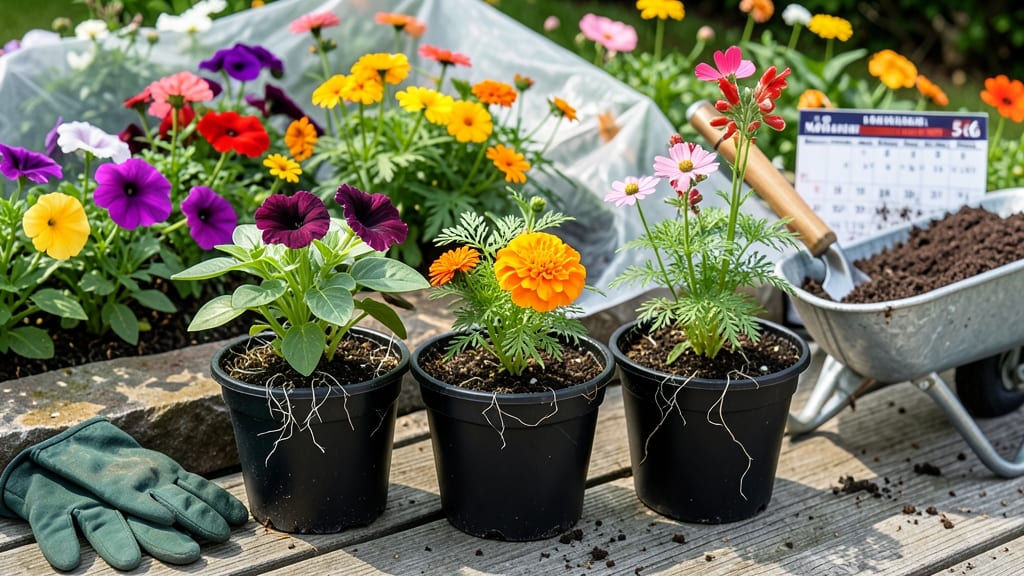
Planning your Michigan garden but unsure about when to plant annuals in Michigan without risking frost damage? The difference between a stunning summer display and a sad, wilted mess often comes down to timing—especially in Zones 5-6, where spring can swing from icy to sweltering in weeks.
I’ve seen firsthand how a single late frost can turn weeks of effort into a loss, but I’ve also watched annuals like marigolds and zinnias thrive when planted just right. The key isn’t guessing—it’s knowing your last frost date and adjusting for Michigan’s unpredictable shifts.
Let me walk you through the exact windows to plant for peak blooms and lush foliage.
Whether you’re dreaming of vibrant petunias or crisp lettuce, the right timing ensures your annuals take root before the heat sets in—or before another surprise frost rolls in.
We’ll cover everything from soil prep to succession planting, so you can enjoy a garden that’s bursting with color from summer through fall.
Ready to skip the guesswork? Stick around—I’ll share the foolproof schedule that’s worked for Michigan gardeners for years, plus pro tips to extend your growing season and protect your plants from Mother Nature’s curveballs.
Michigan annual planting timeline by last frost date (Zone 5-6 guide)
Michigan’s last frost dates vary dramatically—from late April in southern Zone 6 areas like Detroit to early June in northern Zone 5 regions like Traverse City. This variability means your annual planting schedule should account for both cool-season crops (like pansies) and warm-season bloomers (like marigolds).
For Zone 5, aim to plant cool-season annuals like snapdragons and sweet peas in early May, while warm-season favorites (petunias, zinnias) should wait until mid-to-late May after soil warms to 55°F+.
In Zone 6, you can push cool-season plantings to late April and warm-season annuals to early May.
| Planting Window | Cool-Season Annuals (Zone 5-6) | Warm-Season Annuals (Zone 5-6) | Soil Temp Requirement | Frost Risk |
|---|---|---|---|---|
| Early Spring (April) | Pansies, Sweet Alyssum, Lettuce (Zone 6 only) | None (too cold) | 40-50°F | High (Zone 5) |
| Mid-Spring (May) | Snapdragons, Calendula, Stock | Marigolds, Zinnias (Zone 6) | 50-60°F | Moderate (Zone 5) |
| Late Spring (May-June) | None (transition to warm-season) | Petunias, Impatiens, Basil | 60°F+ | Low (after last frost) |
| Succession Planting | Cosmos, Nasturtiums (July-August) | Sunflowers, Marigolds (June-July) | 55°F+ | None (frost-free) |
Use Michigan State University’s frost date maps to pinpoint your exact last frost window. For example, Grand Rapids (Zone 5b) typically sees its last frost by May 15, while Ann Arbor (Zone 6a) can plant warm-season annuals by May 1.
Always err on the side of caution—hardened-off seedlings can tolerate cooler soil better than direct-sown seeds.
For warm-season annuals, wait until nighttime temperatures consistently stay above 50°F. Test soil warmth with a soil thermometer—ideal temps for marigolds and zinnias are 60-70°F. In northern Michigan (Zone 5), this often means delaying planting until late May or early June.
Pro tip: Start cool-season annuals indoors in March for a head start. Use grow lights to simulate long daylight hours, and harden off seedlings for 7-10 days before transplanting after the last frost. This ensures earlier blooms and a longer display season.
Watch for false springs—those warm spells in March or April that trick you into planting too early. A late frost can wipe out tender annuals like impatiens or geraniums overnight. Use frost cloths for extra protection if you’re eager to plant early.
In southern Michigan (Zone 6), you can even try fall planting for cool-season annuals like pansies or sweet peas. Sow seeds in early September for blooms through October and November. Just ensure they’re planted 6-8 weeks before your first frost to allow time for root establishment.
Remember: Microclimates matter. A south-facing wall or urban heat island can create a 5-10°F warmer microclimate, allowing you to plant 1-2 weeks earlier in those spots. Observe your garden’s unique conditions over 2-3 years to refine your planting timeline.
For a foolproof approach, bookmark the Michigan Gardening Calendar from MSU Extension. It includes monthly planting guides, pest alerts, and soil prep tips tailored to Michigan’s Zone 5-6 growing conditions. Happy planting—your summer garden will thank you! 🌷
How to extend Michigan’s growing season for earlier annual blooms
Michigan’s short growing season can feel like a race against time, but with the right strategies, you can push back frost dates and enjoy earlier blooms. I’ve used these techniques in my own garden to get marigolds and petunias thriving weeks ahead of schedule—here’s how you can too.
Start by hardening off seedlings indoors under grow lights or in a sunny window. This process mimics outdoor conditions and helps young plants develop stronger roots before facing Michigan’s unpredictable spring.
I recommend beginning this process 4-6 weeks before your average last frost date, which for most of Michigan falls between mid-April and early May.
Cold frames and row covers are game-changers for extending your season. A simple hoop house made from PVC pipes and plastic sheeting can raise soil temperatures by 10-15°F, allowing you to plant cool-season annuals like lettuce or pansies 2-3 weeks earlier.
I’ve seen spinach and radishes grow beautifully under these conditions even when outdoor temps hover near freezing.
- 1 Use cold frames: Cover seedlings with clear plastic or glass to trap heat. Ideal for early spring and fall plantings.
- 2 Transplant hardened seedlings: Start seeds indoors 6-8 weeks before last frost for faster establishment.
- 3 Choose microclimates: South-facing walls or urban heat islands stay 5-10°F warmer than open fields.
- 4 Use row covers: Lightweight fabric raises soil temps by 8-10°F and protects from light frosts (28°F).
- 5 Mulch heavily: Straw or wood chips insulate soil and maintain consistent temperatures for root growth.
Don’t overlook the power of succession planting—this technique lets you stagger plantings every 2-3 weeks to ensure a continuous harvest or bloom.
For example, I plant fast-growing annuals like bush beans and nasturtiums in early May, then follow up with heat-tolerant varieties like sunflowers and cosmos in late May or early June.
For vegetable gardeners, consider fast-maturing varieties specifically bred for short seasons. Look for labels like “45-day harvest” or “early maturing”—these can give you an edge in Michigan’s climate.
I’ve had great success with ‘Early Girl’ tomatoes and ‘Cherry Belle’ radishes, both of which thrive even with a late frost.
Finally, keep an eye on your local frost forecast and have a frost cloth ready. A single late frost can wipe out weeks of progress, but with these strategies, you’ll be well-prepared to protect your plants and extend your growing season by 3-4 weeks—or more.