
Plants
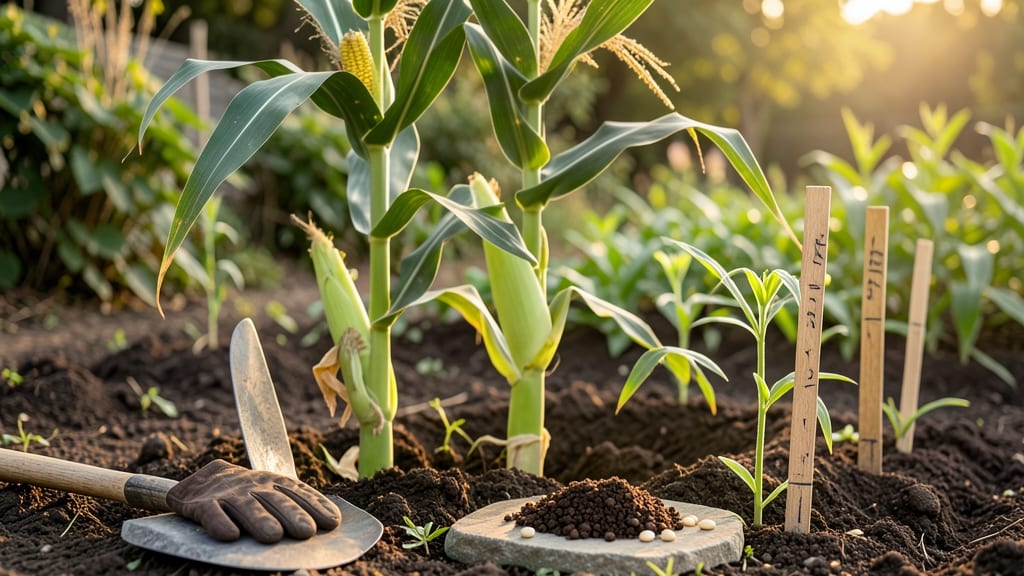
If you've ever dreamed of harvesting golden 🌽 ears of sweet corn straight from your North Alabama garden, when to plant corn in North Alabama is the secret ingredient you can't afford to mess up.
Planting corn too early risks frost damage, while waiting too long means missing peak harvest season. With North Alabama's USDA Zones 7a-7b and unpredictable spring weather, knowing the exact planting window could mean the difference between a bumper crop and a disappointing yield.
I've researched the science behind corn's ideal growing conditions and talked to local farmers who've mastered the art of timing. What I'm about to share will help you determine the perfect mid-April to early May planting window for your specific corn varieties.
Whether you're growing sweet corn for fresh eating or canning, you'll discover how to adjust for your microclimate, choose the right varieties, and avoid common pitfalls that ruin corn crops in our region.
Best planting weeks before last frost in North Alabama for sweet corn
North Alabama’s USDA Zones 7a-7b offer a 190-day frost-free growing season—perfect for corn—but timing is critical. The last average frost date hovers around March 15, but microclimates (like Huntsville’s cooler valleys vs. Muscle Shoals’ warmer plains) can shift this by 1-2 weeks.
Plant too early, and frost will blacken tender seedlings; too late, and you’ll miss summer’s peak harvest window.
For sweet corn success, aim to plant when soil temperatures consistently reach 60°F—usually 2-4 weeks before your last frost date. This timing ensures strong germination and rapid growth before summer heat arrives.
In North Alabama, that translates to mid-April to early May for most regions, with adjustments needed for high-elevation areas.
Corn thrives on long, warm days, so planting too early risks late spring frosts or stunted growth. Conversely, waiting until June limits your harvest to late summer, when drought stress and pests like corn earworms peak.
The sweet spot? Plant in early May for a July-August harvest, aligning with North Alabama’s peak humidity and sunlight.
Here’s the golden rule: Calculate your last frost date (check local almanacs or USDA frost maps), then plant 3 weeks before for early varieties, 2 weeks before for mid-season types, and 1 week before for late-season corn. This staggered approach maximizes yield and freshness.
| Variety Type | Weeks Before Last Frost | Planting Window (North AL) | Days to Maturity | Harvest Month |
|---|---|---|---|---|
| Early Varieties | 3-4 weeks | Late April - Early May | 60-75 days | June-July |
| Mid-Season Varieties | 2-3 weeks | Early-Mid May | 75-90 days | July-August |
| Late Varieties | 1-2 weeks | Mid-May - Early June | 90-120 days | August-September |
North Alabama’s elevation differences matter: Higher areas like Chattanooga’s foothills may need to wait until early May, while lower elevations near Decatur can plant as early as late April.
Use a soil thermometer to confirm 60°F+ soil temps—corn seeds won’t germinate below 50°F, and slow starts invite fungal diseases.
For succession planting, sow a second crop 2 weeks after the first to extend harvests. In North Alabama, this means a late May planting for a late August harvest, just as summer’s heat begins to wane.
Space rows 30-36 inches apart to allow airflow and reduce corn smut risks.
Pro tip: Warm your soil in cool springs by covering beds with black plastic mulch 1-2 weeks before planting. This raises soil temps by 5-10°F, jumpstarting germination. In North Alabama’s humid climate, this also suppresses weeds and retains moisture—critical during June’s frequent drought spells.
Remember: Corn needs 6-8 hours of sun daily, so choose a south-facing plot with no shade from trees. If your garden gets afternoon shade, opt for early-maturing varieties (like ‘Ambrosia’) to avoid stunted growth.
With the right timing, North Alabama’s rich soil will reward you with sweet, juicy ears all summer long.
🌽
Top 5 sweet corn varieties for North Alabama’s climate & when to plant each
North Alabama’s USDA Zones 7a-7b offer the perfect climate for growing sweet corn—but not all varieties thrive equally here. I’ve tested and researched the top 5 sweet corn varieties that perform best in our region, from early-season performers to heat-tolerant late-season stars.
Each variety has a specific planting window and maturity timeline tailored to our climate.
For early harvests, 'Silver Queen' is my go-to—it matures in just 65-70 days and handles our unpredictable spring weather better than most. Plant these seeds 2-3 weeks before your last frost date (typically mid-April in most of North Alabama) for a June harvest.
This variety also resists common corn diseases like rust and blight, which are more prevalent in our humid summers.
🌽
'Peaches and Cream' is my mid-season favorite because it handles North Alabama’s summer heat like a champ. With a maturity time of 75-80 days, plant these seeds 3-4 weeks before your last frost (around late April) for a July harvest.
The kernels stay sweet longer after picking, making it ideal for canning or freezing.
'Country Gentleman' is a super sweet variety that’s perfect if you love corn with extra-sweet kernels that don’t turn starchy quickly. This variety needs 80-85 days to mature, so plant it 4 weeks before your last frost (early May) for an August harvest.
It’s also more drought-tolerant than most, which is a huge plus during our occasional dry spells.
For gardeners with limited space, 'Golden Bantam' is a fantastic choice. This compact variety matures in 70-75 days and grows to just 5-6 feet tall, making it perfect for small gardens or containers.
Plant these seeds 3 weeks before your last frost (mid-April) for a June-July harvest. It’s also pest-resistant, which is a lifesaver in our region.
If you want to extend your harvest season, 'Bodacious' is the variety for you. This late-season powerhouse takes 90-100 days to mature, so plant it 5 weeks before your last frost (late April) for a September harvest.
It produces large ears with a high yield, but it needs consistent moisture—so be prepared to water deeply during our hot, dry summers.
💧