
Plants
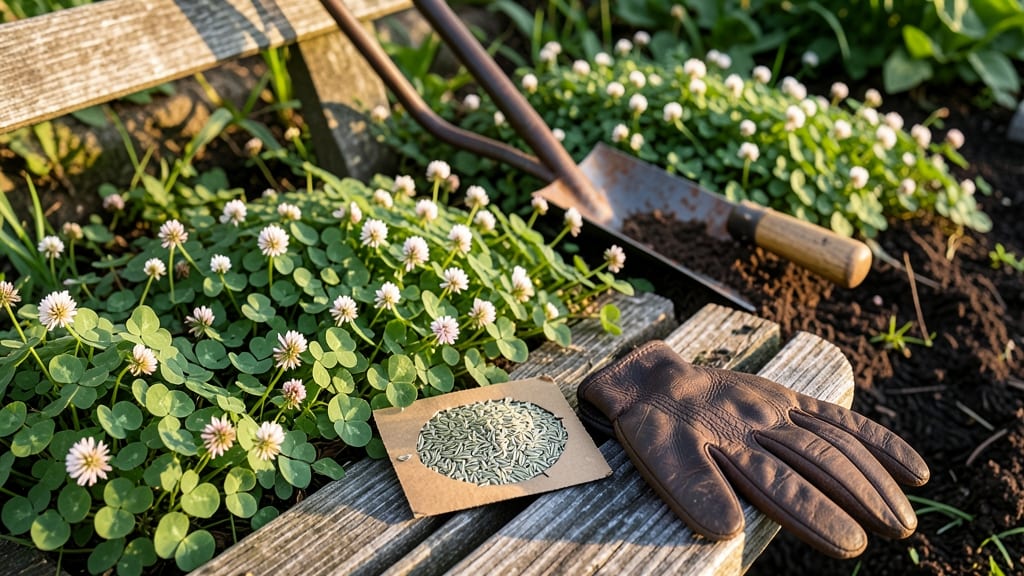
Planting clover in Louisiana isn’t just about throwing seeds into the ground—it’s about beating the heat, humidity, and unpredictable weather to get that lush, drought-resistant green you’re after.
Timing matters more than you might think, especially when you’re dealing with 8a-9b zones where summer heat can fry seedlings before they even sprout.
I’ve seen firsthand how a September-October planting transforms a patchy lawn into a vibrant carpet by spring, while planting too early risks heat stress. Louisiana’s climate demands precision, and the key is understanding when to act—before the first frost or after the soil cools enough to encourage strong root growth.
Whether you’re sowing white Dutch clover for a soft lawn or red clover for pollinator-friendly pastures, the right window means fewer weeds, deeper roots, and a greener result. Let’s break down the exact months that work best for your region, plus soil prep tips to outsmart Louisiana’s challenges.
Ready to skip the guesswork? I’ll show you how to plant clover so it thrives—not just survives—in the Bayou State’s unique conditions.
Best planting months for clover in Louisiana’s climate zones
Louisiana’s three distinct climate zones—North (Zone 8a), Central (Zone 8b), and South (Zone 9b)—each demand different planting windows for clover. Fall planting (September–October) is ideal because cooler temps and higher humidity boost germination rates, while spring planting (February–March) avoids summer heat stress.
Let’s break down the exact months for each zone to maximize your success.
In Northern Louisiana (Zone 8a), the last frost typically hits around January 15, giving you a 6-week window (late August–early October) to plant before summer heat returns. Central Louisiana (Zone 8b) extends this window slightly, with ideal planting from September 1–October 15.
Meanwhile, Southern Louisiana (Zone 9b) enjoys a longer window due to milder winters, with August 15–November 1 being perfect for fall planting.
Spring planting is riskier in Louisiana due to sudden heat spikes, but if you must plant in spring, aim for February 1–March 15 in all zones. This timing ensures seedlings establish roots before the 90°F+ temperatures of late spring arrive. Avoid planting after March 15, as heat stress will stifle germination.
| Zone | Ideal Planting Window | Soil Temp Goal | Key Consideration |
|---|---|---|---|
| Northern (8a) | Late August–Early October | 60–75°F | Avoid summer heat; frost risk by January |
| Central (8b) | September 1–October 15 | 65–72°F | Balanced humidity; less frost risk |
| Southern (9b) | August 15–November 1 | 70–78°F | Longer window; minimal frost threat |
| All Zones (Spring) | February 1–March 15 | 55–65°F | Risk of heat stress after March 15 |
White Dutch clover thrives in Louisiana’s heat but germinates best in cooler fall months, while red clover prefers slightly warmer soil (70–75°F) and can handle Central and Southern Louisiana’s extended fall windows. For pastures, mix varieties to ensure year-round coverage—plant white clover in September and red clover in October for staggered growth.
If you’re planting for lawn improvement, prioritize September–October to outcompete weeds before winter. For pasture renovation, spread seeds in late August–early September to establish roots before summer’s end. Always test soil pH (6.0–7.0) before planting, as Louisiana’s clay-heavy soils can slow germination if too acidic.
Pro tip: Use a seed starter fertilizer (5-10-10 NPK) at planting to jumpstart growth. In Southern Louisiana, where humidity is highest, avoid overwatering—clover roots rot in soggy soil. Aim for 1 inch of water per week after planting to keep seeds moist without drowning them.
Timing isn’t just about months—it’s about soil temperature. Use a soil thermometer to confirm temps are below 80°F before planting in fall. In Northern Louisiana, this usually means waiting until mid-September, while Southern zones can start as early as mid-August.
Patience here pays off with thicker, healthier clover.
Missed the fall window? Don’t panic—spring planting in February still works, but shade cloth (30–50%) can protect seedlings from late-spring heat spikes. Mulch with straw (not wood chips) to retain moisture and suppress weeds, which thrive in Louisiana’s warm, wet springs.
Remember: Clover in Louisiana isn’t just about timing—it’s about resilience. By planting in these zone-specific windows, you’ll create a drought-resistant, weed-suppressing ground cover that thrives year after year. Now grab your seeds and calendar—your lush green lawn or pasture starts with these exact months!
How Louisiana’s soil and weather affect clover planting success
Louisiana’s humid subtropical climate isn’t just about heat—it’s a double-edged sword for clover. While the high humidity (often 70%+) keeps soil moist, the intense summer sun and sudden rainstorms can turn your seeds into a failed experiment if you’re not prepared.
I’ve learned the hard way that soil temperature above 80°F can kill clover seedlings before they sprout, while poor drainage in clay-heavy soils leads to root rot.
The key to success? Adjusting for Louisiana’s unique conditions—like planting when soil temps drop to 60-75°F and ensuring your soil has a pH between 6.0-7.0. Most Louisiana soils lean acidic, so a quick lime application (if pH is below 6.0) can make all the difference.
I’ve seen clover thrive in sandy soils near the coast but struggle in compacted clay areas unless amended with compost.
Here’s the critical warning: Fungal diseases like clover rot love Louisiana’s damp summers. To prevent this, avoid overhead watering and ensure your planting area has good airflow. If your yard sits in a low spot where water pools, consider raised beds or mounding soil to improve drainage.
⚠️ Louisiana-Specific Risks
Heat Stress:
Soil temps above 80°F halt germination. Test soil with a thermometer before planting.
Fungal Diseases:
Overwatering or poor drainage causes root rot. Water deeply but infrequently.
Hurricane Season:
Plant 6-8 weeks before storms to establish roots before October-November rains.
For sandy soils (common in southern LA), mix in peat moss or compost to retain moisture, while clay soils (northern LA) benefit from gypsum or coarse sand to break up compaction.
I’ve had the best results with white Dutch clover in amended sandy loam—it handles our coastal humidity better than red clover, which can bolt in the heat.
Don’t overlook microclimates—your backyard might have shadier spots where clover thrives in summer, while sunny areas need afternoon shade. If you’re planting in pasture mixes, prioritize well-drained areas away from low-lying zones that flood after rain.
Pro tip: Mulch lightly with straw or pine needles after planting to keep soil temps stable and reduce weed competition. Just don’t smother the seeds—aim for a 1-inch layer once they’ve sprouted.