
How To
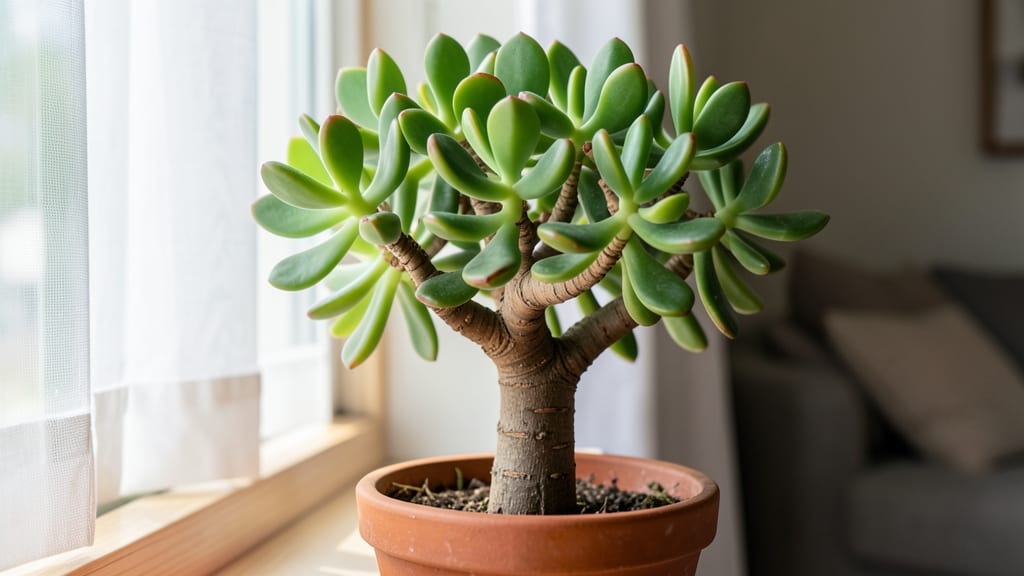
If your jade plant how much light it needs is the mystery behind its sad, stretched-out leaves or crispy brown edges, you’re not alone—most people guess wrong about its light requirements.
The truth? Jade plants thrive on bright indirect light, but getting the balance right can feel like solving a puzzle.
I’ve watched my own jade plant transform from a sad, leggy specimen to a lush, compact beauty just by tweaking its light exposure. The key isn’t just where you place it, but how long it gets that golden glow.
Too little, and it stretches desperately; too much, and those thick leaves turn into sunburn victims.
In this guide, I’ll break down exactly how many hours of light your jade plant needs—whether it’s basking in an east-facing window or surviving under artificial grow lights.
You’ll learn how to spot the signs of over- or under-exposure before they become permanent damage, plus seasonal adjustments to keep your plant happy year-round.
Ready to give your jade plant the perfect light prescription? Let’s dive into the simple rules that’ll have it thriving in no time.
Ideal daily light requirements for jade plants: hours and intensity breakdown
Jade plants (Crassula ovata) thrive with 4-6 hours of bright indirect sunlight daily, but their needs shift with seasons. Too little light causes stretched, leggy stems, while too much leads to crispy brown leaf edges.
Understanding these nuances is key to keeping your plant lush and healthy year-round.
The ideal light spectrum for jades falls between 5,000-10,000 lux—think of it as the glow of a sunny windowsill without harsh afternoon rays. In nature, these succulents grow in arid, rocky environments where light is intense but diffused by clouds or terrain.
During spring and summer, jade plants can handle up to 6 hours of morning sun (before 12 PM), but afternoon sun can scorch their leaves. In fall and winter, they adapt to 3-4 hours of light as daylight shortens, making supplemental lighting essential for indoor plants.
Here’s how to visualize their light needs by season:
| Season | Daily Light Hours | Light Type | Signs of Over/Under-Exposure |
|---|---|---|---|
| Spring | 4-6 hours | Bright indirect + morning sun | Leggy growth (too little), brown spots (too much) |
| Summer | 4-5 hours (morning only) | Indirect light, sheer curtain filter | Sunburn (white/yellow patches), wilting |
| Fall | 3-4 hours | Bright indirect or grow lights | Pale leaves, slow growth |
| Winter | 3-4 hours (supplemental light) | Grow lights or south-facing window | Stretching stems, weak foliage |
Notice how summer requires strict morning-only sun exposure—this prevents the harsh afternoon rays that can cause irreversible damage. A simple trick? Place your jade plant near an east-facing window for consistent, gentle light all day.
If you’re growing jades outdoors in USDA Zone 9+, they can handle full sun with afternoon shade during summer months. However, indoor jades rarely get enough natural light, so grow lights become a game-changer in low-light spaces.
Pro tip: Rotate your plant quarter-turns weekly to ensure even light exposure. This prevents lopsided growth and keeps leaves vibrant on all sides. Uneven light is a common issue in homes with single windows.
Watch for these subtle signs of light stress:
- Yellowing leaves = Too much direct sun
- Reddish stems = Insufficient light
- Pale green leaves = Light deprivation
For urban apartments with limited windows, LED grow lights (like full-spectrum bulbs) placed 6-12 inches above the plant can mimic natural light. Aim for 12-14 hours of artificial light daily in winter to compensate for shorter days.
Remember: Jade plants are succulents first, not sun-seekers. They’d rather have consistent, moderate light than intense bursts that stress their delicate cells. Balance is the secret to their iconic thick, glossy leaves.
Ideal daily light requirements for jade plants: hours and intensity breakdown
Jade plants (Crassula ovata) need 4 to 6 hours of bright indirect light daily to stay healthy. This means placing them near an east-facing window where morning sun is gentle, or a west-facing window with filtered light.
Direct afternoon sun can scorch their thick leaves, while too little light causes leggy, weak growth.
In spring and summer, jade plants can handle up to 6 hours of morning sun (6 AM–12 PM), but avoid harsh afternoon rays. During fall and winter, reduce exposure to 3–4 hours of light since natural daylight weakens.
If your plant starts stretching toward the light, it’s begging for more brightness.
Here’s how to match light needs to your plant’s season:
| Season | Light Type | Daily Hours | Best Placement |
|---|---|---|---|
| Spring | Bright indirect + morning sun | 4–6 hours | East or west window, 3–5 ft away |
| Summer | Bright indirect (no direct sun) | 4–5 hours | Sheer curtain-filtered window |
| Fall | Bright indirect light | 3–4 hours | South-facing window with shade |
| Winter | Bright artificial light | 3–4 hours | Grow light 6–12 inches away |
If your jade plant develops yellow leaves or brown patches, it’s a sign of too much direct sun. Move it farther from the window or add a sheer curtain.
Conversely, if stems stretch and leaves thin out, it’s starving for light—rotate the pot weekly for even growth or supplement with a grow light.
Pro tip: Jade plants thrive near south-facing windows in winter when natural light is scarce. Just ensure the window isn’t drafty, as cold air weakens their resilience. A sunny windowsill with afternoon shade is ideal year-round.
For outdoor jade plants in USDA Zone 6+, bring them inside before first frost (October 15). Their succulent leaves can’t handle freezing temps, but they’ll reward you with vibrant growth if you mimic their natural bright, arid conditions.