
Plants
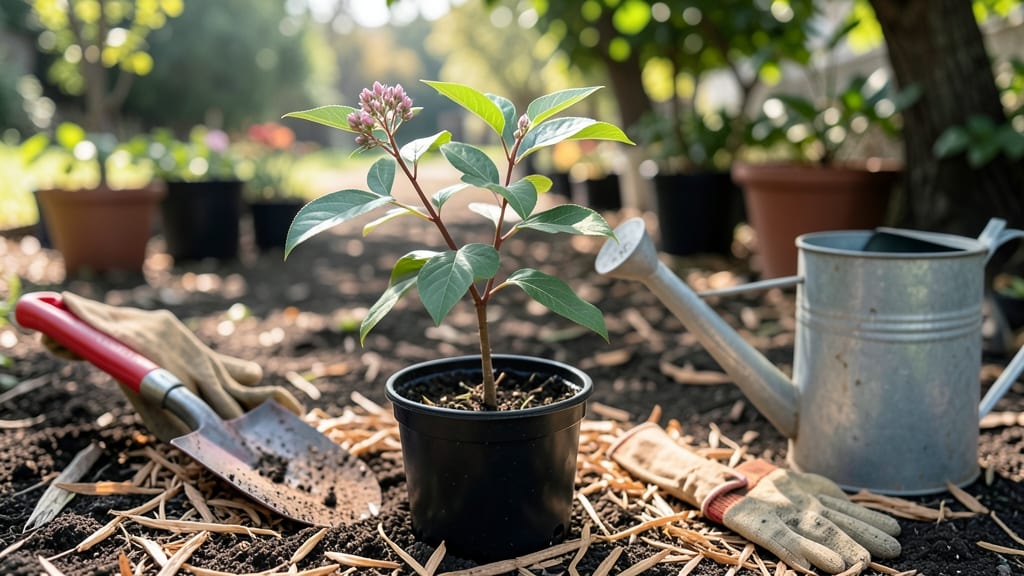
Timing your crape myrtle 🌸 planting in Zone 9 isn't just about picking a month—it's about giving your tree the best shot at thriving for years. Plant too early, and you risk frost damage; too late, and summer heat can shock young roots.
The difference between a struggling shrub and a showstopping specimen often comes down to those 4-6 weeks before the last frost.
Most gardeners in Zone 9 swear by late winter to early spring as the sweet spot, but why? Because this window balances soil warmth, rainfall, and lower pest activity—everything your crape myrtle needs to establish strong roots before the real heat hits.
I’ll break down exactly when to dig in, plus how to spot the perfect moment when your soil is ready for action.
You might think container planting offers more flexibility, but even that has its ideal timing. Whether you’re sticking a bare-root sapling in the ground or popping a potted crape myrtle into its forever home, the rules change slightly.
Let’s cut through the guesswork so you can plant with confidence—and watch those blooms light up your landscape next season.
Ready to avoid the most common mistakes? I’ll show you how to prep your soil, adjust for microclimates, and even when to hold off if the weather takes a wild turn. Your crape myrtle’s future starts now—let’s make sure it’s a vibrant one.
Best months to plant crape myrtle in Zone 9 for maximum survival
In Zone 9, where winters are mild and summers scorching, timing your crape myrtle planting is everything. The ideal window spans from late winter to early spring, specifically February through April, when soil temperatures hover between 60-70°F.
This range gives young roots the perfect balance of warmth and moisture to establish without stress from extreme heat or lingering frost risks.
Most gardeners in Southern California, Arizona, and Florida's northern regions swear by planting in March—just as the last frost threat fades.
But if you're in a cooler microclimate (like higher elevations in Zone 9a), aim for late February to early March to avoid any residual cold snaps that could shock tender new growth.
Here’s the golden rule: Never plant crape myrtle during peak summer heat (May–September). The intense sun and dry conditions in Zone 9 can cause transplant shock, where the plant’s roots dry out faster than they can absorb water.
Even mature crape myrtles struggle in these conditions, let alone young, delicate transplants.
For container-grown crape myrtles (the safest bet for Zone 9 gardeners), you have slightly more flexibility. These can be planted anytime the soil isn’t frozen, but spring or early fall still offer the best survival rates.
Containers help regulate root temperature, but they also dry out faster—so be prepared for daily watering in summer.
| Planting Window | Best For | Soil Temp | Rainfall | Pest Risk |
|---|---|---|---|---|
| Late February–Early March | Cooler microclimates (Zone 9a) | 55–65°F | Moderate (post-winter rains) | Low (pests dormant) |
| March–April | Most of Zone 9 (ideal) | 60–70°F | Low to moderate | Very low |
| May (container-grown only) | Urgent landscaping needs | 70–80°F | Very low | High (aphids, spider mites) |
| September–October (fall backup) | Missed spring window | 65–75°F | Moderate (fall rains) | Low |
🌱 Pro Tip: Use a soil thermometer to confirm temps before planting—crape myrtles hate cold soil!
If you’re in Arizona’s desert regions, like Phoenix or Tucson, your last frost date is typically by mid-January, but the real goal is planting before April’s heat ramps up.
In Southern California, coastal areas (like San Diego) can plant as early as February, while inland valleys (like Los Angeles) should wait until March to avoid late-winter chill.
For Florida’s northern Zone 9 areas (e.g., Orlando, Gainesville), the window is broader—February through April—but avoid planting after mid-April when humidity spikes and fungal diseases like powdery mildew become a risk. Always choose a well-draining site to prevent root rot, especially in Florida’s clay-heavy soils.
One common mistake in Zone 9 is assuming that because there’s no frost, you can plant anytime. But heat stress is just as deadly to young crape myrtles.
If you miss the spring window, your only safe backup is late summer to early fall (September–October), when temperatures begin to cool. Just be ready to water deeply 2–3 times per week during the first month to help roots adjust.
For container-grown crape myrtles, which are less stressed than bare-root stock, you can push the envelope slightly. These can handle May planting if you’re prepared for daily shade
How soil temperature and rainfall affect crape myrtle root establishment
Crape myrtles thrive when planted in 60-70°F soil, not just air temperature. In Zone 9, soil warms faster than in colder zones, but rushing the process can shock roots. Test your soil with a soil thermometer—if it’s below 60°F, wait a few weeks.
Southern California and Arizona hit this range by late February to early March, while Florida may need to wait until mid-March.
Rainfall patterns matter too. Crape myrtles need consistent moisture for root establishment, but soggy soil causes rot. In drought-prone areas like Phoenix or San Diego, supplement with deep watering every 5-7 days until roots spread.
Overwatering is just as deadly as underwatering—aim for 1-2 inches of water per week after planting.
🌱
- Use a soil thermometer to confirm 60-70°F at 4" depth.
- In Zone 9, this typically aligns with late February to April.
- Avoid planting if soil temps drop below 55°F—roots won’t establish.
- First 4-6 weeks after planting: water deeply 2-3x/week.
- After establishment: 1x/week deep watering (drought-tolerant).
- Use drip irrigation to keep foliage dry and prevent fungal diseases.
- Apply 2-3 inches of mulch (wood chips or pine straw) around the base.
- Keep mulch 6 inches away from the trunk to prevent rot.
- Replenish mulch annually to maintain soil moisture and temperature.
Mulching is your secret weapon in Zone 9’s dry climates. A 2-3 inch layer of mulch retains moisture, regulates soil temperature, and suppresses weeds. For container-grown crape myrtles, use a well-draining potting mix with perlite or vermiculite to prevent root rot—these plants hate soggy feet.
If you’re planting in coastal areas (like San Diego or Miami), humidity helps, but still monitor soil moisture. Inland areas (e.g., Phoenix or Las Vegas) need extra attention to watering schedules. Pro tip: Water in the early morning to reduce evaporation and fungal risks.
🌿
Finally, watch for signs of transplant shock, like yellowing leaves or wilting. This usually means your crape myrtle isn’t getting enough water or the roots are struggling with temperature swings. Adjust your care routine immediately—your tree’s long-term health depends on those first few critical weeks.