
Plants
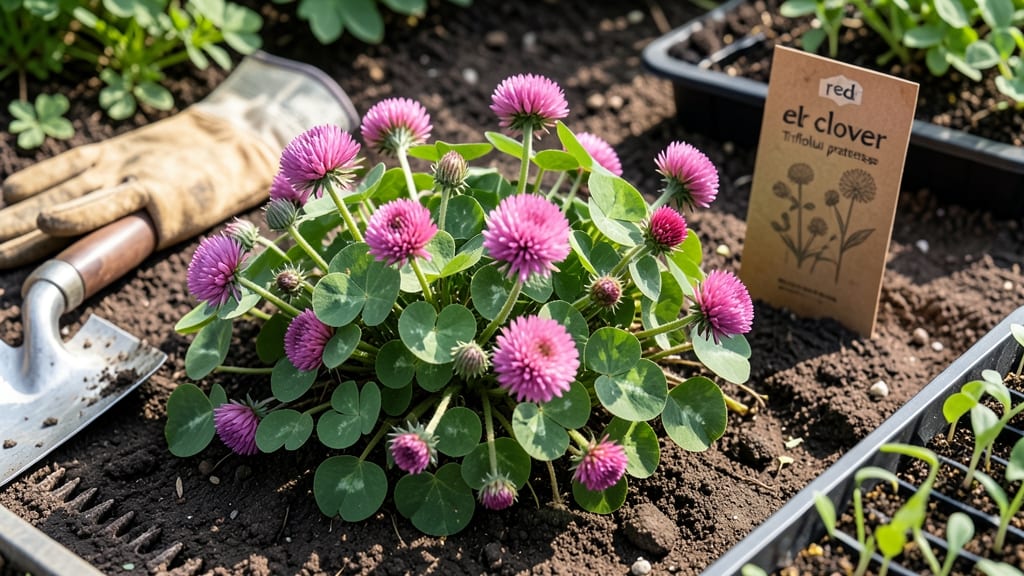
Planting clover in Iowa at the wrong time can leave you staring at frozen seeds instead of a thriving cover crop.
The key to success lies in understanding your local frost dates and soil conditions—because even a two-week miscalculation can mean the difference between a lush green lawn and wasted effort.
Iowa’s USDA zones 5a-6b give you two prime windows: early spring (March-April) or early fall (August-September). But here’s the catch—northern Iowa’s colder microclimates demand earlier planting than the southern half, where warmer soils extend the growing season.
Let’s break down exactly when to plant for zero-frost survival and how to adapt to Iowa’s unpredictable weather.
Whether you’re growing clover for pollinator support, soil improvement, or hay, timing matters. A well-timed planting ensures your 🌱 thrives through summer’s heat and winter’s chill, giving you a resilient cover crop that works year-round.
I’ll show you how to read your local frost data and adjust your schedule for maximum success.
Ready to avoid the common mistakes that lead to winterkill? We’ll cover soil prep, variety selection, and even how to extend your growing season with simple tricks. By the end, you’ll know exactly when to plant clover in Iowa—and why getting it right makes all the difference.
Iowa’s frost-free planting windows for clover by region
Timing your clover planting in Iowa isn’t just about months—it’s about micro-climates and frost risks. The state spans USDA zones 5a-6b, meaning northern areas like Des Moines face later springs, while southern spots like Cedar Rapids enjoy earlier frost-free windows.
Get this wrong, and your cover crop could bolt too early or freeze before establishing.
For most Iowans, the sweet spot is early spring (March-April) or early fall (August-September). But regional differences shift these windows by 2-4 weeks. Let’s break it down by zone so you can plant with confidence—no more guessing games with frost-sensitive seeds.
Pro Tip: Use your last frost date as your guide. In Iowa, this typically falls around April 15 in the north and March 25 in the south. Planting 4-6 weeks before ensures roots establish before cold snaps.
| Region | USDA Zone | Optimal Planting Window | Last Frost Date | Key Risks |
|---|---|---|---|---|
| Northern Iowa (Des Moines) | 5a-5b | April 15 - May 1 September 1 - September 15 |
April 15 | Late frosts, slow soil warming |
| Central Iowa (Ames) | 5b-6a | April 1 - April 15 August 20 - September 10 |
April 5 | Moderate frost risk, variable rainfall |
| Southern Iowa (Cedar Rapids) | 6a-6b | March 20 - April 10 August 10 - August 30 |
March 25 | Early heat stress, drought risk |
🌱 Planting Too Early? Seeds may rot in cold, wet soil. Too Late? Clover won’t establish roots before winter.
Notice how the planting window shifts by 3 weeks from north to south? That’s why local frost data is your best friend. Check Iowa State University’s frost-free maps or use a frost calendar app to pinpoint your exact dates.
Even a 2-week difference can mean the difference between a thriving cover crop and a failed patch.
For fall planting, aim to seed 6-8 weeks before your first frost (typically October 15). This gives clover time to germinate and develop a root system before winter dormancy. In northern Iowa, this means early September; in the south, you’ve got until mid-September.
Did you know? White clover is more frost-tolerant than red clover, making it a better choice for northern Iowa gardeners. If you’re planting for pollinators or soil health, alsike clover thrives in cooler, wetter conditions—ideal for central Iowa’s spring rains.
One common mistake I see is planting clover in heavy clay soil without amending it first. Iowa’s glacial till soils can compact easily, suffocating young roots.
Before seeding, mix in compost or sand to improve drainage. This is especially critical in southern Iowa, where summer droughts can stress shallow-rooted clover.
For urban gardeners in cities like Davenport or Waterloo, microclimates near buildings or pavement can push your last frost date back by 1-2 weeks. Use these heat islands to your advantage—plant 1-2 weeks earlier in these spots to extend your growing season.
Remember: Clover is a cover crop powerhouse in Iowa, fixing nitrogen in the soil and preventing erosion. But it only works if you plant it right.
Whether you’re seeding for hay, lawn improvement, or pollinator support, these regional windows ensure your clover gets off to the best possible start.
3 Critical factors that determine your exact planting date
Your clover’s success hinges on three key factors: soil temperature, precipitation patterns, and the clover variety you choose. In Iowa, where USDA zones 5a-6b create microclimates, these variables shift your ideal planting window by weeks.
For example, white clover thrives in cooler soils, while red clover needs warmer temperatures to germinate quickly.
Start by checking your local frost dates—Iowa’s last frost typically arrives by April 15, but northern regions like Des Moines often face delays. Planting too early in cold soil risks seed rot, while waiting too long can leave your clover struggling to establish before summer heat sets in.
Next, consider rainfall trends. Iowa’s spring showers can saturate soil, delaying planting. If your area is forecasted for heavy rain in April, shift to early August for fall planting instead. A simple soil moisture test—pressing your finger 1 inch deep—reveals whether conditions are right.
Finally, your clover variety matters. Alsike clover tolerates wetter soils, making it ideal for Iowa’s spring floods, while crimson clover germinates faster in warm soil, perfect for late summer plantings. Matching your variety to your microclimate ensures faster germination and stronger roots.