
Plants
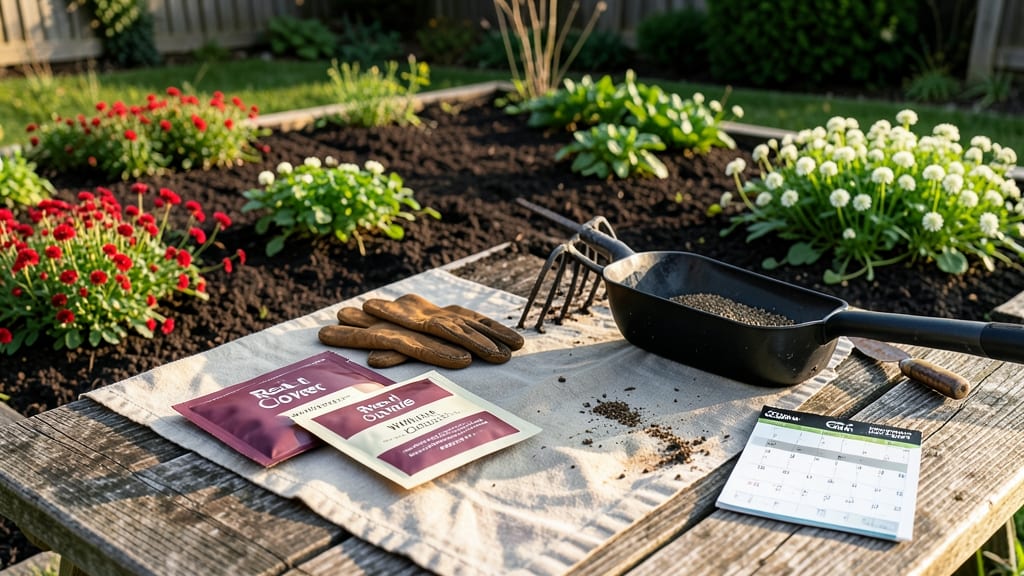
Timing your clover planting in Indiana right can mean the difference between a lush, nitrogen-rich lawn and a disappointing patch of struggling sprouts. With Indiana’s 6a climate and unpredictable spring weather, getting the window just right is key—especially when you want that fast establishment you’ve been dreaming of.
Most gardeners swear by early spring or fall planting, but which one actually works better for your 🌱 clover?
I’ll break down the best months for your region, from March’s frost risks to September’s ideal soil temps, so you can avoid common mistakes and set your clover up for success in just 60 days or less.
You’ll also learn how to prep your soil like a pro—because even the perfect timing won’t help if your ground isn’t ready.
Whether you’re planting Dutch white clover for a pollinator-friendly lawn or red clover for hay, these tips will help you skip the guesswork and get growing faster than ever.
Ready to transform your yard with hardy, low-maintenance clover? Let’s dive into the exact steps and timing that’ll have your Indiana garden thriving all season long.
Optimal Indiana clover planting times: spring vs fall breakdown
Indiana’s USDA Zone 5b–6a means clover thrives best when planted during two ideal windows: early spring or early fall. These timings maximize germination rates while avoiding extreme heat or frost risks. Let’s break down the pros and cons of each season to help you decide.
Spring planting (March–April) gives clover a full growing season before winter, while fall planting (September–October) allows roots to establish before cold sets in. Both methods work—but your location in Indiana (north vs. south) may shift the perfect window by 2–4 weeks.
Northern Indiana (Zone 5b) has earlier frost dates (mid-October), so aim for late August–early September for fall planting. Southern Indiana (Zone 6a) can extend fall planting until mid-October safely.
Here’s how to compare the two seasons side by side for your Indiana garden:
| Factor | Spring Planting (March–April) | Fall Planting (September–October) |
|---|---|---|
| Soil Temp Requirement | 50°F+ | 55°F+ |
| Frost Risk | Low (after April 15) | Moderate (before Oct 15) |
| Weed Competition | High (spring weeds germinate early) | Low (weeds dormant in fall) |
| Establishment Speed | 6–8 weeks | 4–6 weeks |
| Best For | Hay production, long-term cover | Quick ground cover, winter prep |
| Indiana Microclimate Note | Northern IN: Wait until mid-April | Southern IN: Can plant until Oct 15 |
For northern Indiana, I recommend fall planting in late August to avoid early frosts. The cooler temperatures reduce weed pressure and help clover roots establish before winter dormancy. In southern Indiana, you can push fall planting until mid-October safely.
Spring planting in Indiana works best if you start seeds indoors by late February and transplant after the last frost date (April 15). This gives clover a head start before summer heat arrives.
However, spring planting often faces weed competition, so consider using a pre-emergent herbicide or mulch to protect young seedlings.
If you’re growing clover for hay or seed production, spring planting is ideal—it gives the plants a full season to mature. For soil improvement or erosion control, fall planting is superior because it establishes quickly and suppresses weeds before spring.
Pro tip: Check your local Indiana Cooperative Extension Service for weekly soil temperature updates. Planting when soil reaches 50°F+ in spring or 55°F+ in fall guarantees the best germination rates.
Remember, clover is a cool-season legume, meaning it grows best when temperatures are mild. Avoid planting during Indiana’s extreme heat (July–August), as it can cause seed dormancy or poor establishment.
Optimal Indiana clover planting times: spring vs fall breakdown
Choosing between spring vs fall planting for clover in Indiana depends on your local microclimate and the specific clover variety you’re growing. Both seasons offer advantages, but timing is everything to avoid frost damage or slow germination.
In Indiana’s USDA Zone 6a, most gardeners plant clover either in early spring (March–April) or early fall (September–October). Spring planting gives you a head start, while fall planting allows clover to establish roots before winter.
Let’s compare the two to help you decide what works best for your yard.
Spring Planting vs Fall Planting for Clover in Indiana
| Factor | Spring Planting (March–April) | Fall Planting (September–October) |
|---|---|---|
| Best Time | After last frost (mid-April) | 4–6 weeks before first frost (early Sept) |
| Soil Temp Requirement | 50°F+ for germination | 55°F+ for root growth |
| Frost Risk | High in early spring | Low if planted early |
| Weed Competition | Moderate (weeds wake up early) | Low (weeds dormant in fall) |
| Establishment Speed | Fast with warm soil | Slower but stronger roots |
*Northern Indiana may need adjustments for earlier frost dates.
For northern Indiana, where frosts linger longer, aim for late April planting in spring or early September in fall. Southern Indiana gardeners have more flexibility, but avoid planting clover when soil temps drop below 50°F, as germination slows dramatically.
If you’re growing Dutch white clover, spring planting is ideal for quick ground cover, while red clover thrives with a fall start, thanks to its deeper root system. Both varieties benefit from well-drained soil and full sun exposure—just don’t skip the prep work!
Pro tip: Use a soil thermometer to confirm temps before planting. Clover seeds need consistent warmth to sprout, and Indiana’s unpredictable spring can throw off even the best-laid plans. 🌱