
Trees
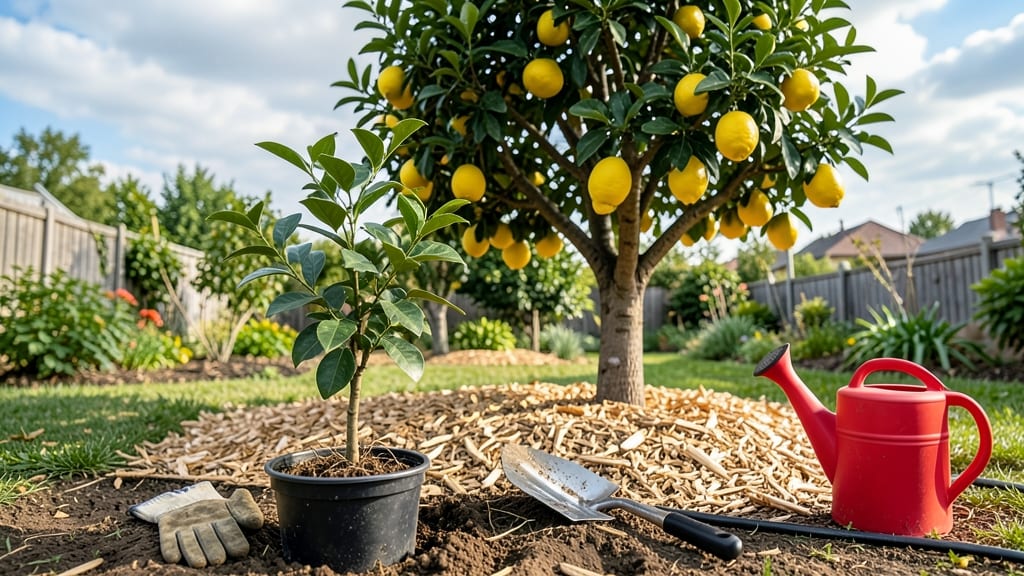
Planting a 🍊 citrus tree in Phoenix isn’t just about grabbing a sapling—it’s about timing it right to beat the desert’s extremes. The perfect window between November and February gives your tree the best shot at rooting deep before summer’s scorching heat kicks in.
Why does timing matter so much? Phoenix’s 9b climate means your citrus tree faces two major threats: monsoon waterlogging in summer and—though rare—unexpected cold snaps. Plant too early, and your tree might struggle with heat stress; too late, and winter’s chill could stunt its growth.
I’ve seen firsthand how one wrong move can mean the difference between a thriving lemon tree and a sad, wilted plant. The key is understanding your Phoenix microclimate—whether you’re battling alkaline soil or fierce afternoon sun—and how to prep your tree for success.
Let’s break down the exact steps to plant your citrus tree at the right time, avoid three deadly mistakes Phoenix gardeners make, and choose the best varieties that actually thrive here. Your future harvest starts with one smart decision.
Best planting months for citrus trees in Phoenix (with exact dates)
Phoenix’s USDA Zone 9b climate offers a narrow but critical window for planting citrus trees—November through February. This 6-week window aligns with the city’s cooler temperatures and avoids the extreme summer heat that can shock young roots.
Planting during this time gives your tree the best chance to establish strong roots before the next growing season.
Citrus trees thrive in Phoenix’s full sun exposure, but they struggle when planted during the monsoon season (July-September). The heavy rains can lead to waterlogged soil, which suffocates roots.
Instead, aim for late fall or early winter, when temperatures average between 50°F and 70°F, providing ideal conditions for root growth.
For container-grown citrus trees, you can extend the planting window slightly into March, but in-ground planting should always occur before March 15 to avoid heat stress. Container plants adapt better to temperature fluctuations, making them a great option if you miss the ideal window.
If you’re planting bare-root citrus trees, do so as soon as you bring them home—within 1-2 days. These trees have delicate roots that dry out quickly, even in Phoenix’s dry air.
For potted citrus trees, you can wait until you’ve prepared the planting site to minimize stress.
Phoenix’s alkaline soil (pH 7.5-8.5) is another hurdle for citrus trees, which prefer slightly acidic soil (pH 6.0-7.0). Amend your soil with sulfur or peat moss before planting to create the ideal environment. Test your soil’s pH at least 2 weeks before planting to allow time for adjustments.
Once planted, mulch around the base of your citrus tree with 2-3 inches of organic mulch (like wood chips or straw) to retain moisture and regulate soil temperature. This step is especially important in Phoenix, where temperature swings between day and night can stress young trees.
After planting, water deeply but infrequently—aim for 1-2 inches of water per week during the first 3 months. Overwatering is a common mistake in Phoenix’s monsoon season, so ensure your planting site has proper drainage to prevent root rot.
Citrus trees planted in Phoenix’s ideal window will begin producing fruit within 2-5 years, depending on the variety. With the right timing and care, your tree can thrive for decades, providing fresh lemons, oranges, and limes year-round.
Best planting months for citrus trees in Phoenix (with exact dates)
Phoenix’s USDA Zone 9b climate means citrus trees can grow year-round, but timing is everything. The ideal 6-week window runs from mid-November to mid-February, when temperatures dip below 90°F and monsoon humidity fades. This gives roots time to establish before summer’s brutal heat arrives.
Citrus trees planted in late fall or winter avoid two major risks: heat stress from Phoenix’s summer sun and waterlogging during monsoon season. Container-grown trees can be planted slightly later (up to March), but in-ground planting should always finish by February 15th to maximize root growth before spring.
| Planting Window | Soil Temp | Key Consideration | Phoenix-Specific Tip |
|---|---|---|---|
| Mid-November | 60-70°F | Root establishment | Avoid planting after rain |
| December-February | 55-65°F | Minimal heat stress | Use mulch to retain moisture |
| March (containers only) | 70-80°F | Higher transplant shock risk | Shade cloth recommended |
For container-grown citrus trees, the window extends slightly into early March, but you’ll need to provide extra shade (30-50%) for the first 2-3 weeks to prevent leaf scorch. In-ground trees planted after February 15th often struggle with heat stress by May, stunting growth for the entire year.
Phoenix’s alkaline soil (pH 7.5-8.5) is another challenge. Before planting, amend the soil with sulfur or peat moss to lower pH to 6.0-7.0, which citrus trees prefer. Test your soil 4-6 weeks before planting to allow time for adjustments.
Once planted, water deeply but infrequently—aim for 1-2 inches per week during the first 3 months. Phoenix’s summer heat means newly planted trees need drip irrigation or soaker hoses to deliver water directly to the roots without wetting the foliage.
Pro tip: Plant your citrus tree in a slightly elevated spot to improve drainage. Phoenix’s clay-heavy soil can trap water, leading to root rot—a silent killer of young citrus trees. A 6-inch mound of amended soil works wonders.