
Plants
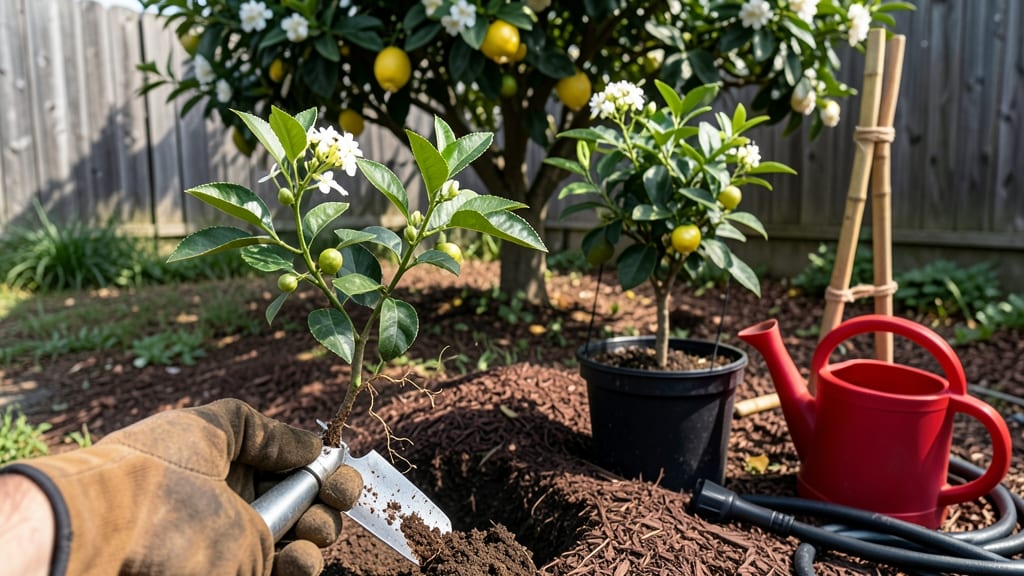
Planting a lemon tree 🍋 in Louisiana at the wrong time can turn your citrus dreams into a soggy, frost-bitten mess—but get the timing right, and you’re looking at a year-round harvest of juicy, homegrown lemons. The key isn’t just picking a month; it’s understanding how Louisiana’s humid subtropical climate plays tricks on your tree, especially when those unpredictable cold snaps roll in.
Most gardeners assume spring is the only safe bet, but Louisiana’s 8a-9b zones actually let you plant year-round with the right adjustments.
Whether you’re in New Orleans’ coastal warmth or Shreveport’s inland heat, knowing when to put that bare root in the ground makes all the difference between a thriving tree and one that struggles to survive.
I’ve spent years watching lemon trees take root across Louisiana, and the best windows actually stretch from late winter through early fall—with critical exceptions.
We’ll break down exactly when to plant based on your microclimate, so you can avoid the common mistakes that leave trees stunted or dead before they even fruit.
Ready to turn your yard into a lemon grove? Let’s dive into the most important planting dates and care tips tailored just for Louisiana’s unique growing conditions—so you can enjoy fresh lemons faster than you can say “zesty.”
Best planting months for lemon trees in Louisiana’s climate zones
Lemon trees 🍋 thrive in Louisiana’s warm climate, but the right planting window depends on your USDA zone (7b-9a) and whether you’re growing cold-hardy or tender varieties. Unlike northern states, Louisiana’s humid subtropical climate allows year-round planting—but with critical exceptions to avoid frost damage or heat stress.
The absolute best time to plant lemon trees in Louisiana is late winter to early spring (February-March), when soil temperatures rise above 60°F (15°C) and the risk of hard frosts (28°F/-2°C) has passed. This window gives roots 6-8 weeks to establish before summer’s intense heat arrives.
For container-grown lemon trees, you can plant almost year-round in USDA zones 8b-9a (most of Louisiana), but avoid November-December when evening temps dip below 50°F (10°C). In northern Louisiana (zone 7b), stick to March-April to avoid late spring frosts that can kill young trees.
🚨 Here’s the breakdown: Southern Louisiana (New Orleans, Lafayette) has a longer frost-free season (280+ days), while northern areas (Shreveport, Monroe) face shorter windows (240 days). Even a single 28°F night can devastate a newly planted tree, so timing is everything.
📅 Louisiana Lemon Tree Planting Guide by Zone
| Zone & Location | Best Planting Window | Soil Temp Threshold | Frost Risk | Notes |
|---|---|---|---|---|
| 8a (North LA: Shreveport, Monroe) | March 15 - April 15 | 60°F+ (15°C) | High (last frost: mid-March) | Use cold-hardy varieties like 'Meyer' lemon |
| 8b (Central LA: Baton Rouge, Alexandria) | February 15 - April 30 | 55°F+ (13°C) | Moderate (last frost: late Feb) | Can plant fall containers in October |
| 9a (South LA: New Orleans, Lafayette) | January 15 - May 15 | 50°F+ (10°C) | Low (last frost: early Feb) | Year-round planting possible with protection |
| All Zones (Containers) | Year-round (avoid Nov-Dec) | 55°F+ (13°C) | None (if moved indoors) | Use large pots (15+ gal) for stability |
💡 Pro Tip: Test soil temp with a soil thermometer—roots need consistent warmth to establish.
If you’re planting in fall (September-October), focus on southern Louisiana (zones 8b-9a) where temps stay mild. However, avoid planting after October 15 in northern areas—even Meyer lemons (the hardiest variety) can suffer from winter chill injury if planted too late.
For container-grown trees, you can push boundaries: Move pots indoors during winter (Dec-Feb) if temps drop below
How Louisiana’s microclimates affect lemon tree success (and when to adjust)
Louisiana’s humid subtropical climate isn’t one-size-fits-all—your lemon tree’s success depends entirely on where you live within the state. Coastal areas like New Orleans enjoy warmer winters with milder frosts, while inland cities like Shreveport face colder snaps that can damage tender citrus.
Even within a city, elevation and proximity to water create microclimates that shift ideal planting windows by weeks.
For example, a coastal microclimate (like Lafayette) might safely plant lemons in late October, while an inland area (like Monroe) should wait until mid-March to avoid frost damage. Understanding these variations lets you extend your planting season and give your tree the best start possible.
Here’s how to assess your microclimate in 3 simple steps: Check your USDA zone (8a-9b), observe your yard’s sun exposure patterns, and note whether you’re near water bodies that trap humidity.
These factors directly influence when to plant and how to protect your tree from Louisiana’s unpredictable weather shifts.
🌱 Key Takeaway: Microclimate Adjustments for Lemon Trees
Coastal Areas (8b-9a): Plant October-November or February-March—avoid late fall if frost warnings exist.
Inland Cities (7b-8a): Stick to March-April planting to outpace spring frosts.
Urban Heat Islands: Plant 1-2 weeks earlier—concrete absorbs heat, delaying frost risks.
Elevated Areas: Delay until after April 15—higher ground gets colder faster.
Near Water Bodies: Plant 2 weeks later—humidity delays soil warming in spring.
If you’re unsure about your microclimate, start by checking the LSU AgCenter’s frost maps for your parish. These tools show historical frost dates that help you time your planting around Louisiana’s most vulnerable periods.
For instance, Baton Rouge’s last frost typically hits February 15, while Lake Charles rarely sees frost after January 10.
Pro tip: Container-grown lemon trees give you flexibility—you can move them indoors during cold snaps. This lets you plant as late as October in most of Louisiana, but remember: root systems need 6-8 weeks to establish before winter arrives.
If you’re in Zone 8a, hold off until spring to avoid winter stress.
Adjusting for your microclimate isn’t just about timing—it’s about preventing common pitfalls. For example, planting too early in inland areas can leave your tree vulnerable to late-winter frosts, while coastal plantings in November might face unexpected cold snaps.
The key is balancing soil warmth (ideal: 60°F+) with frost risk using local data.