
Plants
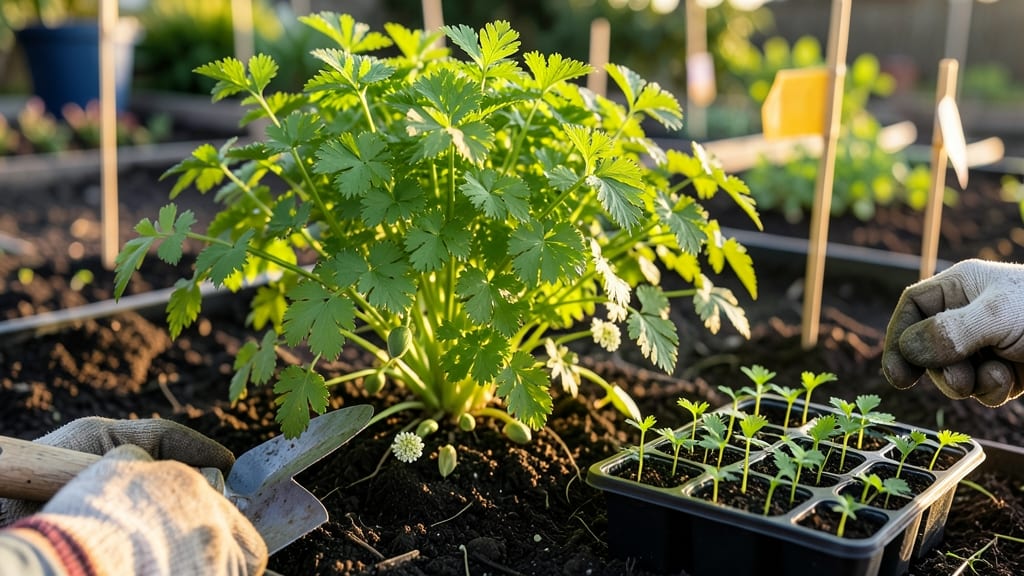
Timing your cilantro planting in Oregon can mean the difference between a lush, flavorful harvest and a bitter disappointment. This cool-weather herb hates heat and bolting, so getting the schedule right is everything—especially when Oregon’s coastal fog and inland heat create such different growing conditions.
If you’ve ever watched your cilantro turn to seed too fast or wilt under summer sun, you know how frustrating it can be. The key is planting at the right moments: March-April for spring and August-September for fall, when temperatures stay mild and days aren’t too long.
I’ll show you exactly how to sync your planting with Oregon’s microclimates—from the Willamette Valley to high desert areas—to keep your cilantro thriving all season.
You’ll also discover why succession planting works so well here, how to pick the best varieties for your zone, and even how to trick cilantro into ignoring Oregon’s long daylight hours that trigger bolting.
Let’s get your garden set up for zero-bolt cilantro success—no guesswork, just green, fresh leaves whenever you need them.
Whether you’re a first-time gardener or a seasoned green thumb, these insights will help you grow cilantro that’s bolting-resistant, flavorful, and ready to harvest at the perfect time. Ready to turn your Oregon garden into a cilantro powerhouse?
Oregon’s best planting windows for cilantro: avoid bolting and frost
Oregon’s diverse climate—from cool coastal regions to hot inland valleys—means your cilantro planting schedule must adapt. The Willamette Valley (Zone 8) and coastal areas (Zone 7b) have longer growing seasons, while high desert zones (Zone 9a) face shorter cool periods.
Timing is everything to avoid bitter bolting or frost damage.
Cilantro thrives in cool weather (ideal soil temps: 45–75°F) and bolts when days exceed 75°F or nights stay above 60°F.
In Oregon, this means spring and fall are your best bets. Coastal gardeners can stretch harvests longer than inland growers, but everyone must plan around last frost dates (late March–early April) and first frost (mid-October–early November).
🌱 Key Takeaway: Plant cilantro 4–6 weeks before the last expected frost for a spring harvest, and 8–10 weeks before the first frost for a fall harvest. In high desert areas, focus on fall planting to escape summer heat.
| Region | Best Planting Windows | Soil Temp | Harvest Window | Notes |
|---|---|---|---|---|
| Coastal (Zone 7b) | Feb–March, Aug–Sept | 45–65°F | April–June, Oct–Nov | Longer cool season; succession plant every 2 weeks. |
| Willamette Valley (Zone 8) | March–April, Aug | 50–70°F | May–June, Sept–Oct | Hot summers limit spring harvests; prioritize fall. |
| High Desert (Zone 9a) | Late July–Aug | 55–65°F | Sept–Oct | Only fall planting works; use shade cloth in summer. |
For direct sowing, scatter seeds ¼-inch deep in well-draining soil with partial shade (30–50% coverage) during hot months.
In cooler coastal areas, you can sow directly in sun for faster growth. Transplanting young starts (from nurseries) works too, but avoid shocking roots by hardening off seedlings for 5–7 days before planting.
In high desert zones like Bend or La Pine, cilantro bolts quickly due to long daylight and heat. To extend harvests, use 30% shade cloth and choose slow-bolting varieties like ‘Calypso’.
In coastal Portland, you can even try winter sowing under row covers for early spring greens.
Pro Tip: Test soil temps with a soil thermometer before planting. Cilantro roots prefer 50–65°F soil—if it’s warmer than 70°F, delay planting or use shade. In Willamette Valley, aim for March 15–April 15 for spring crops and August 1–September 15 for fall.
Succession planting is your secret weapon in Oregon. Sow new seeds every 2–3 weeks from March to June for a continuous harvest. In fall, stagger plantings from August to September to replace bolting plants. This works especially well in coastal gardens where summers are cooler.
Watch for late frosts, common in elevated areas like the Cascade foothills. Use frost cloth or row covers to protect young seedlings if temps dip below 28°F. In lowland areas, heat stress is the bigger enemy—mulch with straw to keep roots cool and moist.
If you miss the spring window, don’t despair. Fall cilantro is often sweeter and more flavorful because of cooler nights. Just plant 8–10 weeks before your area’s first frost (check Oregon State University’s frost maps for local data).
In Portland, that’s usually mid-August; in Medford, it’s early August.
For container growing, use 5–7 inch pots with well-draining mix. Plant in partial shade on patios or balconies to escape midday heat. Move containers to shadier spots in summer
How to extend your cilantro harvest in Oregon’s unpredictable climate
Oregon’s long daylight hours and rapid temperature shifts can turn your cilantro from fresh to bitter in weeks. The secret to a continuous harvest? Strategic timing and climate-smart tricks. Here’s how to outsmart Oregon’s weather and keep your cilantro thriving longer.
First, succession planting is your best friend. Instead of sowing all your seeds at once, stagger them every 2-3 weeks from March through May and again from August through September. This ensures you always have young, tender leaves ready to harvest before bolting strikes.
🌿
- 📅 Stagger sowing every 2-3 weeks in spring and fall to avoid bolting.
- ☀️ Use 30-50% shade cloth in summer months to lower soil temps.
- 🌱 Choose slow-bolting varieties like ‘Calypso’ or ‘Santo’ for Oregon’s heat.
- 🌿 Plant near tall crops (e.g., tomatoes) for afternoon shade in hot microclimates.
- ❄️ Extend fall harvests with row covers until first frost (mid-October in Willamette Valley).
Next, heat is cilantro’s enemy, and Oregon’s inland valleys can hit 90°F+ by June. To beat the bolting curse, use shade cloth (30-50%) over your plants during peak afternoon sun.
This keeps soil temps cool and delays flowering by 3-4 weeks. Pair this with daily watering in containers—cilantro in pots bolts faster than in-ground plants when stressed.
For coastal gardeners, focus on fall planting. The cooler, shorter days of September-October are perfect for cilantro. Sow seeds 6-8 weeks before your first frost (typically mid-October in Portland) for a harvest just before winter sets in. Use row covers to push your harvest window even later.
Finally, companion planting can work wonders. Pair cilantro with bush beans, lettuce, or carrots—these plants thrive in similar conditions and shade the soil, keeping roots cool. Avoid planting near dill or fennel, as their strong scents can stunt cilantro growth.
With these tricks, you’ll enjoy fresh cilantro for months, not weeks. The key? Stay ahead of Oregon’s weather with smart timing and a few simple tools. Your taste buds will thank you!