
Plants
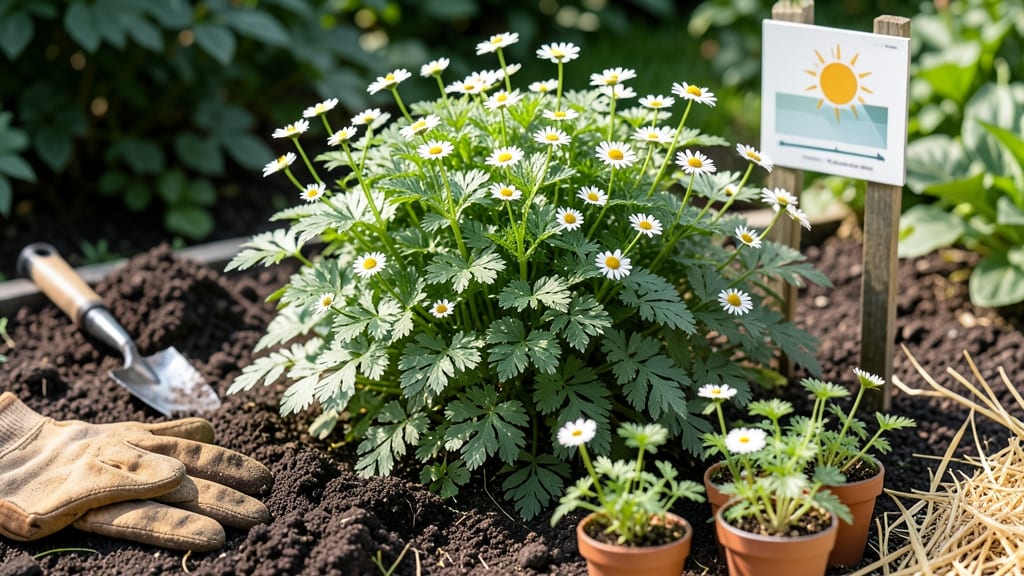
If you’ve ever planted chamomile 🌼 in Texas only to watch it bolt in the heat or wilt from winter frost, you’re not alone.
The key to growing this delicate herb successfully lies in understanding when to plant chamomile in Texas—and it’s all about timing the cool seasons just right.
Texas’s diverse climate zones mean what works in North Texas (like planting in September) might fail in South Texas, where milder winters allow for February starts. The goal? Avoid the brutal summer heat and give your chamomile the 60-90 days it needs to mature before temperatures spike or frost hits.
In this guide, I’ll break down the best planting windows for your region, from soil prep to adjusting for microclimates. Whether you’re growing German or Roman chamomile, you’ll learn how to extend the season, protect young plants, and harvest flavorful blooms—without the stress.
Ready to master the art of chamomile planting? Let’s dive into the cool-season secrets that’ll keep your garden thriving year after year.
Best months to plant chamomile in Texas (avoiding heat stress & bolting)
Texas’s extreme heat and unpredictable frost make timing critical for chamomile. Unlike cool-climate gardeners, we can’t just follow a generic "spring" rule—our North Texas and South Texas zones demand different strategies. The key?
Plant when soil temps drop below 80°F to prevent bolting, but before first frost to ensure establishment. For most of Texas, that’s September-October for fall or February-March for spring.
Chamomile thrives as a cool-season perennial in Texas, but it won’t survive our winters in USDA Zones 8a-9a. In Zone 10b (South Texas), you can treat it as an annual, replanting each fall.
The 60-day harvest window after planting means missing the deadline by even a few weeks could leave you with bitter, woody stems instead of fragrant blooms.
Here’s the region-specific breakdown you need to avoid common mistakes like heat stress or frost damage:
| Texas Region | Ideal Planting Window | Key Considerations |
|---|---|---|
| North Texas (Zones 8a-8b) | September 15 - October 15 (fall) or February 15 - March 15 (spring) | First frost: November 30. Soil must be 60°F+ for germination. |
| Central Texas (Zones 8b-9a) | September 1 - October 10 (fall) or February 10 - March 10 (spring) | First frost: December 15. Use row covers if planting late. |
| South Texas (Zones 9a-10b) | August 20 - September 20 (fall) or January 15 - February 15 (spring) | No frost risk; treat as annual. Avoid July-August planting. |
| All Regions | Soil temp: 60-75°F | Avoid midsummer heat (>85°F). Use shade cloth if planting early. |
For fall planting, aim to harvest before first frost. In North Texas, that means starting seeds indoors by August 1 for transplanting in September. South Texas gardeners can direct-sow until late September without frost concerns, but avoid planting after October 1—the heat returns too quickly.
Spring planting requires patience. Wait until soil temps stabilize above 60°F (usually mid-February in North Texas, early January in South Texas). Test your soil with a thermometer—chamomile seeds won’t germinate in cold soil.
If your area has unpredictable frost (like Central Texas), use black plastic mulch to warm the soil faster.
Pro tip: Succession plant every 3 weeks in fall for continuous harvests. In Zone 8a, this means sowing September 1, 22, and October 10. The last batch should be ready to harvest just before frost.
In warmer zones, you can stretch this to November, but monitor nighttime temps—chamomile bolts when stressed by 50°F+ nights.
Soil prep is non-negotiable. Chamomile hates waterlogged roots and compacted soil. Amend your beds with compost and sand for drainage, especially in clay-heavy North Texas soils.
A pH of 6.0-7.0 is ideal—test and adjust with lime if needed. In South Texas, focus on mulching to retain moisture during dry spells.
Remember: Chamomile’s first priority is avoiding bolting. If you plant too early (e.g., July in North Texas), the heat will send it shooting up flower stalks in days, leaving you with bitter leaves instead of fragrant blooms.
The 60-75°F soil temp window is your golden ticket—stick to it, and you’ll enjoy harvests all winter.
For container growing, follow the same rules but use well-draining pots with succession holes. Move containers to shadier spots during 100°F+ heatwaves to prevent stress. In South Texas, overwinter containers indoors near a south-facing window for next year’s spring harvest.
How to time chamomile planting for Texas’s unpredictable weather patterns
Texas’s weather is famously unpredictable—one week of 90°F heatwaves can turn into a freezing front the next. Chamomile, a cool-season herb, thrives in temperatures between 55°F and 75°F, making timing critical.
The key is to plant when your region’s last frost has passed or when summer’s worst heat has subsided.
In North Texas (Zones 8a-8b), aim for September 15–October 15 in fall or February 15–March 15 in spring. South Texas (Zones 9a-10b) gardeners can push spring planting to March 1–April 1 thanks to milder winters, but avoid planting after April 15—the heat will bolt your plants in weeks.
Here’s how to adjust your planting strategy based on Texas’s microclimates and weather quirks—because what works in Dallas might fail in El Paso or Houston.
- 1 Start seeds indoors 6–8 weeks before your target outdoor date. Use grow lights or a sunny windowsill to avoid leggy seedlings. Chamomile germinates best at 70°F soil temps, so wait until late summer to sow outdoors in South Texas.
- 2 Use row covers for early spring/fall plantings. A lightweight frost blanket can protect seedlings from unexpected 32°F drops in North Texas. Remove covers during the day to prevent overheating.
- 3 Succession plant every 3–4 weeks in fall for continuous harvests. Plant a second batch in late August (South Texas) or mid-September (North Texas) to replace bolting plants. This extends your harvest window by 4–6 weeks.
- 4 Monitor heatwaves with a soil thermometer. Chamomile wilts when soil temps exceed 85°F. In Central Texas, delay spring planting until soil temps drop below 80°F—usually after April 15.
- 5 Choose elevated beds in low-lying areas prone to frost pockets. Chamomile roots stay cooler in raised beds, reducing stress during temperature swings. Add 2–3 inches of mulch (straw or shredded leaves) to insulate roots in winter.
Pro tip: Check the National Weather Service’s frost probability maps for your county. In Zone 8a, there’s a 20% chance of frost as late as April 1, while Zone 10b rarely sees frost after January 15. Adjust your planting dates accordingly!
By mastering these weather-adaptive strategies, you’ll avoid the two biggest chamomile killers in Texas: summer bolting and winter frost damage. Next up, we’ll dive into the best chamomile varieties for Texas’s extremes—some handle heat better than others!