
Plants
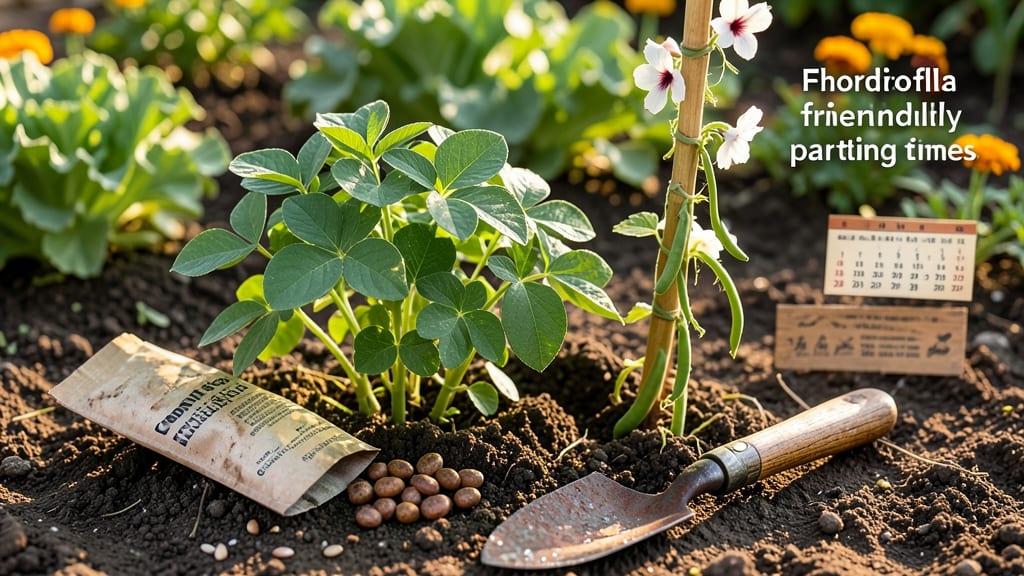
Planting beans in Florida at the wrong time means bolting beans or wasted effort—unless you nail the two cool-season windows that actually work here. Florida’s heat is no joke, and skipping these timing tricks can turn your garden into a sad, wilted mess instead of a productive 🌱 powerhouse.
Most gardeners in USDA zones 9a-11 swear by late winter to early spring planting, but there’s a second chance in fall that many miss. The key? Avoiding those brutal summer months when beans just give up.
I’ll show you exactly which weeks to plant for pole beans, bush beans, and even heat-resistant varieties like ‘Contender’—so you can harvest fresh pods for months.
Why does this matter? Because Florida’s microclimates—from humid coastal areas to inland heat pockets—demand different strategies. We’ll break down how to adjust your schedule for North Florida’s rare frosts or South Florida’s year-round growing potential. No more guessing games, just proven timing for your zone.
Ready to grow beans that thrive, not struggle? Let’s dive into the exact planting calendar, soil secrets, and variety picks that’ll have you harvesting 50-80 days after your first seeds hit the dirt—no bolting, no bitter beans, just crisp, flavorful pods all season long.
Optimal planting windows for beans in Florida’s cool seasons
Florida’s unique climate offers two prime windows for growing beans: the cool winter months and the spring transition before summer heat sets in. Unlike northern states, Florida rarely experiences frost, but temperature extremes—either too hot or too cold—can trigger bolting (premature flowering) or stunt growth.
The key is planting when daytime highs hover between 65°F and 85°F, with nighttime lows above 50°F to prevent stress.
Most Florida gardeners focus on two main planting periods: late fall/winter (October–February) and early spring (March–April). Pole beans and bush beans thrive in these windows, but timing varies slightly by region. North Florida (USDA zones 8a–9a) has cooler winters, while Central/South Florida (zones 9b–11) can extend the growing season year-round with minimal risk of frost.
For example, I planted ‘Blue Lake’ bush beans in early January in Tallahassee and harvested for months, while a friend in Miami grew ‘Scarlet Runner’ pole beans in December with no issues.
Here’s the golden rule: Avoid planting beans during peak summer (June–August) when temperatures often exceed 90°F. Heat stress causes poor germination and bitter, stringy pods. Even shade-loving varieties like ‘Contender’ struggle in relentless sun without extra care.
Instead, plan for succession plantings every 2–3 weeks during your chosen window to ensure a steady harvest.
| Planting Window | Best For | Temperature Range | Notes |
|---|---|---|---|
| Late Fall (Oct–Nov) | Bush beans, pole beans | 65°F–75°F (day) | Ideal for North/Central FL; avoid if frost risk. |
| Winter (Dec–Feb) | Heat-tolerant varieties (e.g., ‘Scarlet Runner’) | 60°F–80°F (day) | Best for South FL; use row covers in North FL. |
| Early Spring (Mar–Apr) | All varieties (peak production) | 70°F–85°F (day) | Avoid after April 15; heat stress increases. |
| Late Summer (Aug–Sep) | Shade-tolerant varieties (e.g., ‘Contender’) | 80°F–90°F (day, with shade) | Risky; use drip irrigation and shade cloth. |
Pole beans (like ‘Kentucky Wonder’) need warmer soil to germinate, so I wait until mid-February in North Florida to plant them. Bush beans (like ‘Blue Lake’) are more forgiving and can handle slightly cooler soil, making them ideal for late January plantings. For South Florida, where winters are mild, you can even plant ‘Scarlet Runner’ beans in December and enjoy harvests through March—but watch for humidity-related diseases like rust or powdery mildew.
Pro tip: Use a soil thermometer to confirm temperatures. Beans need soil at least 60°F for germination, but 70°F+ speeds up growth. In North Florida, where nights can dip below 50°F, I cover young seedlings with frost cloth until daytime highs stabilize.
In Central/South Florida, where heat arrives early, I opt for succession plantings every 2 weeks in spring to beat the summer heat.
Regional tweaks matter: In coastal areas (e.g., Tampa, Miami), humidity is higher, so I choose disease-resistant varieties like ‘Masai’ and ensure good air circulation. Inland areas (e.g., Orlando, Gainesville) have hotter, drier air, so I focus on mulching to retain moisture and drip irrigation to avoid wetting foliage. Always check your local USDA zone—even within Florida, microclimates vary wildly!
Variety selection is critical. Heat-tolerant beans like ‘Scarlet Runner’ or ‘Romano’ handle Florida’s summers better than traditional ‘Green Bean’ varieties. For winter plantings, ‘Blue Lake’ or ‘Wax Bean’ varieties thrive in cooler temps. I’ve even had success with ‘Lima Beans’ in South Florida’s winter, where they produce sweet, buttery pods without bolting.
Timing isn’t just about months—it’s about weather patterns. Check the National Weather Service for heat advisories or cold fronts. For example, a sudden 10°F drop in January can stall growth, while a heatwave in March can trigger bolting.
Adjust your planting schedule 2–3 weeks earlier if your area tends to warm up faster (like South Florida) or delay by 2 weeks in cooler pockets (like North Florida’s panhandle).
Remember: Beans are fast growers—most varieties mature in 50–80 days. By planting in late winter or early spring, you’ll harvest just as summer arrives, avoiding the bolting disaster that plagues summer plantings.
With the right timing, you’ll enjoy sweet, tender beans for weeks—no bitter aftertaste or wilted vines in sight! 🌱
Optimal planting windows for beans in Florida’s cool seasons
Florida’s two cool-season windows are your golden tickets for growing beans without bolting disasters. The first window runs from mid-January to early March, while the second spans late August to mid-October.
These periods align with Florida’s USDA zones 9a-11, where temperatures stay ideal for germination and growth—typically between 60°F and 85°F.
Why these windows? Bean seeds struggle to germinate when soil temps hit 90°F+, and plants bolt (flower prematurely) when days get too long or hot.
In North Florida, aim for January-February planting to avoid rare frost risks, while South Florida gardeners can stretch planting into early April or even September for fall harvests.
Here’s the breakdown for your variety-specific planting calendar, including pole beans, bush beans, and heat-resistant types like ‘Contender’ or ‘Scarlet Runner’:
For North Florida gardeners, prioritize planting by February 1 to avoid late-winter frosts that can damage young seedlings. In Central/South Florida, you can push planting into early April or even September for fall harvests, thanks to milder winters.
Just monitor your local weather forecasts—a heatwave in March can still trigger bolting.
Pro tip: Use shade cloth (30-50%) if planting in late spring (March-April) to protect seedlings from intense sunlight. This buys you 2-3 extra weeks of safe growth before summer’s brutal heat sets in.
Pair this with succession planting every 2 weeks to stretch your harvest season from spring to early summer.
Remember, beans planted in summer (June-August) will likely bolt within weeks—unless you’re growing specialty heat-tolerant varieties like ‘Scarlet Runner’. For most gardeners, sticking to these cool-season windows ensures sweet, tender pods instead of bitter, stringy failures.