
Plants
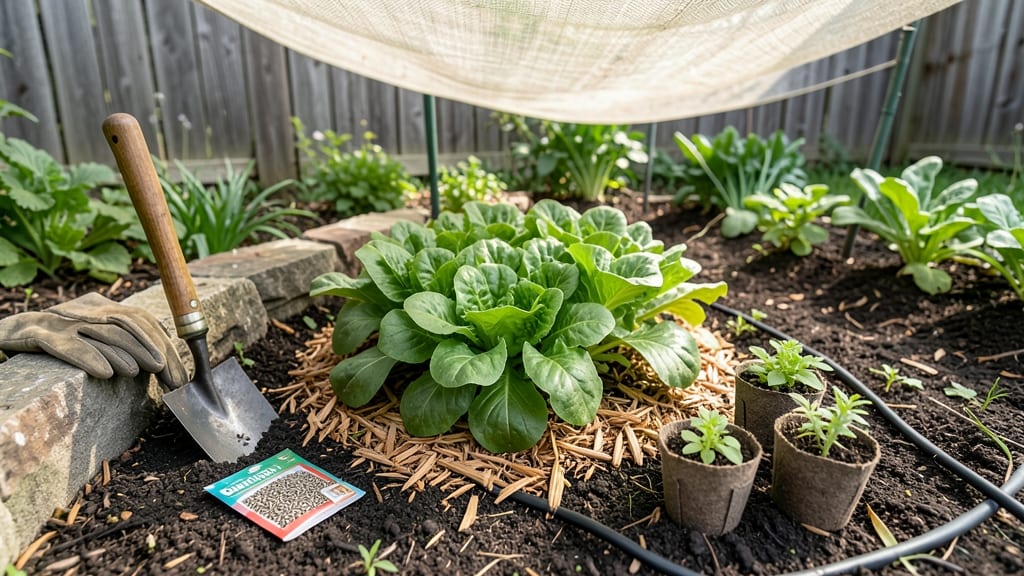
Planting lettuce in Georgia at the wrong time can turn your crisp, fresh 🥬 harvests into bitter, bolted disappointments—unless you know the exact windows to avoid those heat-induced setbacks.
Georgia’s climate zones 7b-8b demand precision: too early, and frost zaps your seedlings; too late, and scorching sun sends your lettuce racing to flower before you can even enjoy a salad. The secret lies in two cool-season slots—fall and spring—that align perfectly with Georgia’s last and first frost dates.
I’ve grown lettuce here for years, and the difference between a thriving garden and a failed experiment comes down to timing, shade strategies, and succession planting. Let’s break down the ideal months for each window, plus how to stretch your harvests without sacrificing flavor or texture.
Whether you’re a first-time gardener or a seasoned green thumb, these insights will help you beat the heat and enjoy fresh, homegrown 🥬 from April through December—no bolting required.
Georgia’s ideal lettuce planting windows: avoid bolting with these cool-season slots
Lettuce thrives in Georgia’s cool seasons, but timing is critical—plant too early or late, and you’ll battle bolting (premature flowering) or stunted growth. The Peach State’s USDA zones 7b-8b offer two prime windows: fall and spring, each with unique challenges.
Let’s break down the exact months, temperature thresholds, and regional tweaks to maximize your harvest.
In northern Georgia (e.g., Atlanta, zone 7b), aim for late winter to early spring (February–April) and late summer to early fall (August–September). Southern regions like Savannah (zone 8a) can extend fall planting into October thanks to milder winters.
The key? Avoid soil temps above 75°F, which triggers bolting. Use shade cloth in summer or opt for heat-tolerant varieties like Romaine.
🌱 Did You Know? Georgia’s first frost typically hits mid-November, but coastal areas may see delayed frosts. This means fall lettuce can often grow until December in these zones—plan accordingly!
| Planting Window | Ideal Months | Soil Temp Threshold | Regional Notes |
|---|---|---|---|
| Spring | February–April | 50°F–70°F | Plant 4–6 weeks before last frost (mid-March). Use row covers for early starts. |
| Fall | August–September | 60°F–75°F | Coastal areas: extend to October. Mulch to retain heat. |
| Summer (Risky) | June–July | Above 75°F | Only with 30–50% shade cloth. Choose heat-resistant varieties. |
For spring planting, start seeds indoors 6–8 weeks before your last frost date (typically mid-March in Atlanta). Harden off seedlings for 7–10 days before transplanting into well-draining soil enriched with compost.
Space lettuce 8–12 inches apart to prevent overcrowding, which invites disease. In fall, direct-sow seeds 4–6 weeks before the first frost (aim for mid-September in most of Georgia).
Microclimates play a huge role. Urban Atlanta gardens in concrete-heavy areas may need afternoon shade even in spring, while rural Piedmont farms can push fall planting later. Test your soil’s pH (6.0–7.0) and amend with lime if needed—acidic soil stresses lettuce, making it more prone to bolting.
A simple soil test kit (available at garden centers) solves this in minutes.
Pro tip: Succession plant every 2–3 weeks in spring/fall to ensure a continuous supply. Sow half your seeds at the start of the window, then repeat as harvests begin. This staggered approach guarantees fresh lettuce for 8–10 weeks per season.
For example, if you plant 100 seeds in late February, follow up with 50 more in March and another 50 in April.
Watch for heat stress signs: yellowing leaves, bitter taste, or tall stems with flower buds. These are red flags to harvest immediately or pull the plants. In summer, even partial shade (e.g., under a 30% shade cloth) can buy you 4–6 weeks of edible lettuce.
Pair this with daily watering and mulch to keep roots cool.
Remember: Lettuce is a cool-weather crop, and Georgia’s humidity can turn your garden into a fungal buffet if you’re not careful. Space plants properly, avoid overhead watering, and rotate crops annually to prevent soil-borne diseases.
With these timing tweaks, you’ll enjoy crisp, homegrown lettuce from April through December—no bolting in sight! 🥬
Georgia’s ideal lettuce planting windows: avoid bolting with these cool-season slots
Georgia’s USDA zones 7b-8b create a unique challenge for lettuce growers—scorching summers force us to focus on cool-season planting only. The key is timing: plant too early, and frost ruins your seedlings; too late, and heat sends your lettuce bolting before you harvest.
My garden’s best results come from two critical windows: late winter/early spring and late summer/early fall.
For spring lettuce, start seeds indoors 4-6 weeks before your last frost date (typically mid-March in most of Georgia). Transplant seedlings outdoors by February 15-March 15, when soil temperatures stay above 40°F but nights remain cool.
This gives you harvests from April through June before summer heat sets in.
🌱 Visual Tip: Use a soil thermometer—lettuce thrives in 60-65°F soil. If temps climb above 75°F, bolt risk skyrockets.
The fall window is equally crucial for Georgia gardeners. Start seeds or transplant seedlings from August 1 through September 15, aiming for harvests before the first frost in mid-November.
This second crop thrives when daytime highs drop below 80°F and nights cool to 55-65°F—perfect conditions for crisp, sweet lettuce.
💡 Pro Tip: In coastal Georgia (Savannah, Brunswick), extend fall planting until October 1—warmer microclimates delay frost. Monitor local forecasts and use shade cloth (30-50%) if temps creep above 75°F.
For Piedmont regions (Atlanta, Athens), focus on early September plantings—soil cools faster here, giving you a reliable harvest before winter. Always test soil pH (ideal: 6.0-6.8) and amend with compost to prevent nutrient deficiencies that stress plants and trigger bolting.
Miss these windows, and you’ll face bitter, tough lettuce or worse—bolting (when plants flower prematurely). The secret to success? Succession planting every 2-3 weeks within these windows to keep a steady supply. Next, we’ll cover heat tolerance hacks to squeeze extra harvests from Georgia’s short cool seasons.