
Plants
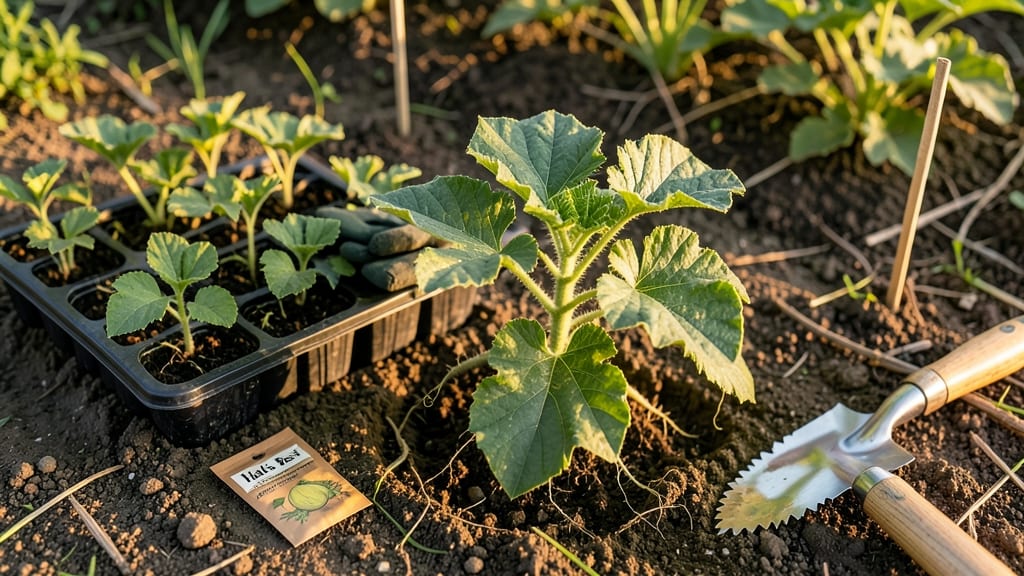
Timing is everything when you're growing 🍈 cantaloupe in Illinois—plant too early, and frost will wipe out your crop; wait too long, and you’ll miss the sweet harvest window.
The key to success lies in understanding your local frost-free dates, which can vary dramatically from northern 5b zones to southern 6b regions.
Most Illinois gardeners aim for mid-April to mid-June planting, but that’s just the starting point. Soil temperature matters just as much as calendar dates—your cantaloupes need 70°F+ soil to germinate properly, and checking with a soil thermometer can save you from wasted effort.
Even experienced growers sometimes misjudge these factors, leading to disappointing results.
In this guide, I’ll break down exactly when to plant in your specific county, which cantaloupe varieties thrive in Illinois’ heat, and how to extend your growing season with simple but effective tricks.
Whether you’re a first-time gardener or a seasoned pro, these insights will help you maximize your harvest from July through September.
Ready to grow juicy, homegrown cantaloupes? Let’s dive into the details so you can avoid common mistakes and enjoy a bountiful crop this year.
Illinois county frost-free dates for cantaloupe planting zones
Timing is everything when growing cantaloupe in Illinois. These heat-loving plants need warm soil (70°F+) and frost-free conditions to thrive. Planting too early risks frost damage, while waiting too long shortens your harvest window.
Illinois spans USDA Zones 5b-6b, so your exact planting date depends on your region.
Northern Illinois (e.g., Chicago, Rockford) typically sees its last frost around mid-to-late April, while Southern Illinois (e.g., St. Louis, Carbondale) warms up 2-3 weeks earlier.
Central Illinois (e.g., Springfield, Peoria) falls in between. Always check your local frost-free date—aim to plant 2-3 weeks after the average last frost.
For precise guidance, use the Illinois State Climatologist’s Office or the USDA Plant Hardiness Zone Map. These tools help you pinpoint your exact last frost date and adjust for microclimates (e.g., urban heat islands or lake-effect cooling near Lake Michigan).
Cantaloupe needs 90-100 days to mature, so plan accordingly!
🌱
To extend your cantaloupe growing season, consider black plastic mulch or row covers for early starts in Northern Illinois. These tools warm the soil faster and protect young plants from late spring frosts.
For Southern Illinois, you can even try a fall planting (late summer) for a second harvest before frost.
Monitor your local weather forecasts in the weeks leading up to planting. A sudden cold snap can delay your start by 2-4 weeks, so flexibility is key.
If you’re unsure, err on the side of planting later—cantaloupe grows faster in hot weather than it’s harmed by a slightly delayed start.
For real-time updates, check the Illinois Extension’s Garden Hotline or use apps like Old Farmer’s Almanac. These resources provide hyperlocal frost data and adjust for yearly variations in Illinois’ unpredictable spring weather.
Once you’ve nailed down your planting window, focus on soil preparation. Cantaloupe thrives in well-draining, slightly acidic soil (pH 6.0-6.8). Amend your garden beds with compost or aged manure 2-3 weeks before planting to give the soil time to warm up.
🌡️
Illinois county frost-free dates for cantaloupe planting zones
Illinois spans USDA Zones 5b-6b, creating dramatic differences in frost-free dates from north to south. Northern counties like Jo Daviess often see their last frost around May 15, while southern regions like Alexander County typically reach frost-free conditions by April 15.
These variations mean your planting window could shift by 4-6 weeks depending on where you live.
For most Illinois gardeners, waiting 2-3 weeks after the last frost is safest—this gives soil time to warm to the 70°F+ cantaloupes need to germinate.
Check the Illinois State Water Survey or your local University of Illinois Extension office for county-specific data, as microclimates near lakes or urban areas can add 1-2 weeks of warmth.
Here’s how to use frost-free dates to plan your cantaloupe schedule:
| Region | Last Frost Date | Planting Window | Soil Temp Check |
|---|---|---|---|
| Northern IL (5b) | Mid-May | Late May | After 70°F |
| Central IL (5b-6a) | Early-Mid April | Late April-Early May | After 70°F |
| Southern IL (6b) | Mid-April | Early-Mid April | After 65°F |
🌱 Pro Tip: Use a soil thermometer to confirm readiness—cantaloupe seeds won’t sprout below 70°F.
If you’re in Zone 5b, consider starting seeds indoors 3-4 weeks before your last frost date for an earlier harvest. Use biodegradable pots to transplant seedlings without disturbing roots.
For Zone 6b gardeners, direct sowing after April 15 works well, but always monitor nighttime temperatures—cantaloupes struggle below 55°F.
For a visual guide, bookmark the Illinois Extension’s Interactive Frost-Free Map ([extension.illinois.edu](https://extension.illinois.edu))—it lets you pinpoint your exact county’s average frost dates. I’ve used this tool for years to adjust my planting schedule, especially when moving between Chicago’s cooler suburbs and St. Louis’ warmer climate.
Remember: First frost in Illinois typically hits October 15 in the north and November 1 in the south. If you’re growing long-season varieties, plan to harvest by mid-September to avoid fruit damage from early cold snaps.