
Plants
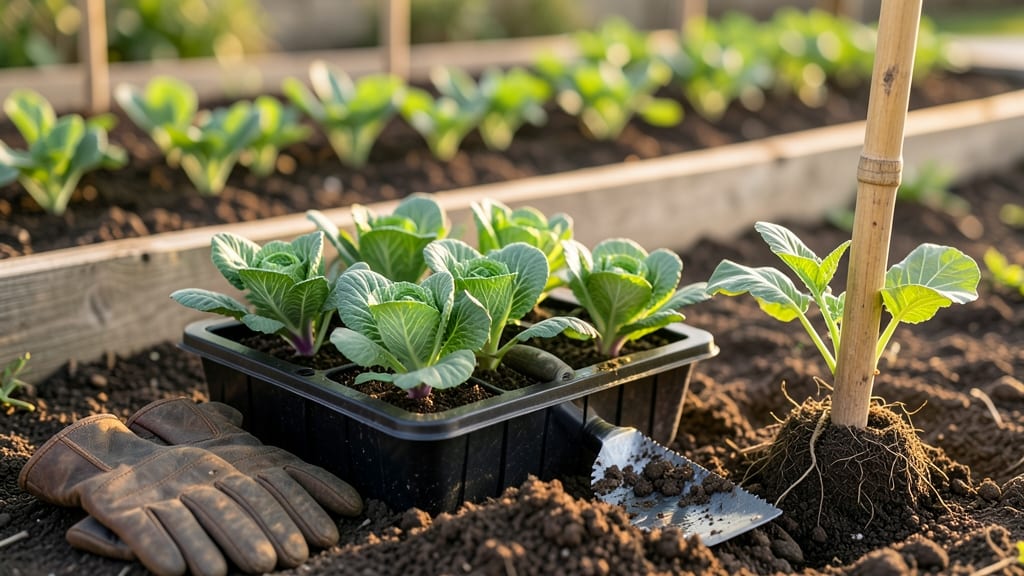
Timing your 🥬 cabbage planting in Zone 6b isn't just about throwing seeds in the dirt—it's the difference between a bumper crop of sweet, crisp heads and bitter, bolted disappointment.
Get it wrong, and you'll end up with plants that race to seed before they even form proper heads, leaving you with nothing but frustration.
Here's the secret: Zone 6b's unique climate means you've got two narrow windows to work with—early spring and late summer—that play to cabbage's love of cool weather. Miss these timelines, and you're fighting against heat stress that triggers bolting, or risking frost damage that stunts growth.
I'll show you exactly when to start seeds indoors, when to transplant, and how to stretch your growing season without sacrificing quality.
Whether you're a first-time gardener or a seasoned pro, knowing these precise dates could mean the difference between a 50-pound harvest and a handful of sad little heads.
We're talking about varieties that thrive in your specific climate, frost dates that actually matter, and tricks to keep your cabbage happy even when summer decides to overheat. Let's dive into the exact schedule that'll have you harvesting all season long.
You'll discover the 3 key planting windows that work best in Zone 6b, plus how to adjust for your specific microclimate. I'll walk you through everything from soil prep to transplanting techniques that prevent shock, so you can set your cabbage up for success from day one.
Ready to grow the best 🥬 cabbage of your life? Let's get started.
Optimal planting windows for cabbage in Zone 6b by variety type
In Zone 6b, cabbage thrives best when planted during cool seasons—either early spring or late summer. The key is avoiding heat stress, which triggers bolting (premature flowering).
With an average last frost date of April 15 and first frost around October 15, you have two prime windows to grow crisp, sweet heads.
For spring cabbage, start seeds indoors 6-8 weeks before your last frost (around February 1-15) or transplant 2-3 weeks before frost (early April). For fall cabbage, direct sow seeds July 15-August 15 to ensure harvest before frost.
Timing varies slightly by variety type—early varieties bolt faster, while late varieties handle heat better.
Here’s the bolting-proof timeline for Zone 6b, broken down by variety maturity and planting method:
| Variety Type | Spring Planting Window | Fall Planting Window | Days to Maturity | Harvest Window |
|---|---|---|---|---|
| Early (e.g., 'Early Jersey Wakefield') | Indoors: Feb 1-15 Outdoors: March 15-April 1 |
Direct sow: July 15-31 | 55-65 days | Late May-early June or Sept-Oct |
| Midseason (e.g., 'Golden Acre') | Indoors: Feb 15-March 1 Outdoors: April 1-15 |
Direct sow: July 1-August 10 | 65-75 days | Early June-mid June or Oct |
| Late (e.g., 'Late Flat Dutch') | Indoors: March 1-15 Outdoors: April 15-May 1 |
Direct sow: August 1-15 | 75-100 days | Mid June-July or Oct-Nov |
| Heat-Tolerant (e.g., 'Crimson Love') | Indoors: Feb 15-March 15 Outdoors: April 1-30 |
Direct sow: July 1-August 31 | 60-80 days | Late June-August or Sept-Oct |
Direct sowing works for fall crops, but transplanting gives you more control over spring timing. If you miss the spring window, don’t panic—late summer sowings can still yield a fall harvest before frost. Just choose heat-tolerant varieties like 'Crimson Love' or 'Red Express' to reduce bolting risk.
Pro tip: Use shade cloth (30-50%) during peak summer heat (July-August) to protect young plants. This buys you 2-3 extra weeks of growth before bolting sets in. Pair this with succession planting every 2 weeks for a continuous harvest.
In Zone 6b, soil temperature is critical—wait until soil warms to 45°F for direct sowing or 50°F for transplanting. Cold soil slows germination and invites damping-off disease.
Test your soil’s readiness with a soil thermometer or press your finger into the ground: if it feels cool but not icy, it’s time to plant.
For transplants, harden off seedlings for 7-10 days before moving them outdoors. Acclimate them gradually to sun and wind by placing them outside for 1-2 hours daily, increasing time each day. This reduces transplant shock and jumpstarts growth in your Zone 6b garden.
Remember: Bolting is your biggest enemy in Zone 6b. It’s triggered by heat above 80°F or long days (14+ hours of light). To delay bolting, choose late-maturing varieties or use row covers to shield plants from extreme heat.
Monitor your cabbage closely—once the flower stalk appears, the head becomes bitter and inedible.
With the right timing and variety selection, you can enjoy crisp, sweet cabbage from late spring through fall in Zone 6b. Start with early varieties for spring, then transition to heat-tolerant types for summer, and finish with late varieties for fall. Happy planting!
Optimal planting windows for cabbage in Zone 6b by variety type
In Zone 6b, timing is everything when planting cabbage. The key is avoiding bolting—when heat triggers premature flowering—while ensuring plants mature before fall frosts. Your best bets are early spring and late summer plantings, but the exact window depends on your cabbage variety.
For spring crops, start seeds indoors 6-8 weeks before your last frost date (typically mid-March in Zone 6b). Transplant outdoors 2-3 weeks before last frost (early April) for early varieties. Midseason types go in slightly later, while late varieties need cooler summer temperatures to form heads.
Fall planting begins 8-10 weeks before first frost (mid-July) for harvests before winter. Heat-tolerant varieties like 'Golden Acre' can handle summer heat better, but most prefer cooler 70-75°F days. Here’s your precise timeline:
| Variety Type | Spring Planting Window | Fall Planting Window | Days to Maturity | Bolting Risk |
|---|---|---|---|---|
| Early (e.g., 'Early Jersey Wakefield') | Indoors: Feb 15 Outdoors: Mar 20-Apr 5 |
Aug 1-15 | 55-65 days | Low (cool-loving) |
| Midseason (e.g., 'Golden Acre') | Indoors: Mar 1 Outdoors: Apr 10-25 |
Jul 20-Aug 10 | 65-75 days | Moderate (heat-tolerant) |
| Late (e.g., 'Late Flat Dutch') | Indoors: Mar 15 Outdoors: Apr 20-May 5 |
Jul 10-25 | 75-90 days | High (needs cool temps) |
Direct sowing is possible but risky in Zone 6b due to frost sensitivity. If you skip transplants, sow seeds 2-3 weeks after last frost (mid-April) for spring or 8 weeks before first frost (early August) for fall. Use row covers to protect young seedlings from 28°F+ frosts.
Pro tip: Monitor your local microclimate. Areas near water or with afternoon shade may allow slightly later plantings. For example, if your garden stays 10°F warmer than the zone average, push fall plantings to mid-August for late varieties.
Remember, soil temperature matters too. Cabbage seeds need 45-85°F soil to germinate. Use a soil thermometer to confirm readiness—cold soil delays germination and invites rot. With precise timing, you’ll enjoy crisp heads year-round in Zone 6b! 🥬