
Plants
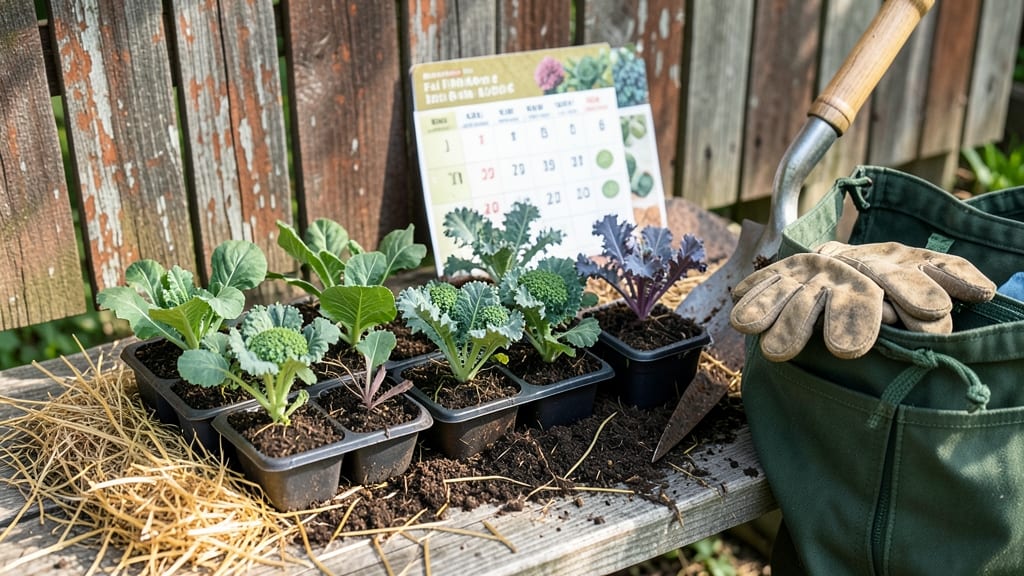
Knowing when to plant fall crops in Zone 6 could mean the difference between a bountiful harvest and wasted effort. With the right timing, you can enjoy fresh greens, crisp roots, and hearty brassicas long after summer's heat fades away—right through the first frost and beyond.
Fall planting in Zone 6 (6a-6b) isn’t just about avoiding early frosts—it’s about leveraging cooler temperatures and shorter days to grow hardier, more flavorful crops.
The 8-week countdown before your first frost date (typically mid-October) is your golden window, but missing it by even a few weeks can leave your garden struggling.
Whether you're a seasoned gardener or just starting with 🌾 fall crops, this guide will walk you through the exact planting schedule, soil prep secrets, and crop choices that thrive in Zone 6’s climate. No more guessing—just proven strategies to extend your harvest well into winter.
Ready to transform your garden into a fall feast? Let’s dive into the step-by-step plan that’ll keep your kitchen stocked with homegrown goodness long after summer’s last tomato ripens.
Zone 6 fall planting calendar: exact dates for frost-proof vegetables
In Zone 6, the fall planting window is your golden opportunity to grow crisp, flavorful vegetables before winter sets in. Unlike spring, when temperatures fluctuate wildly, fall offers consistent cool weather and fewer pests, making it ideal for cool-season crops.
The key is planting at the right time—too early, and you’ll face summer heat; too late, and frost will ruin your harvest.
For Zone 6, the first frost date typically falls between mid-October and early November, depending on your exact location (6a vs. 6b). To ensure your crops mature before frost, aim to plant 4-6 weeks before your expected first frost.
This means starting in early to mid-August for most vegetables.
Here’s the breakdown: Leafy greens like spinach and kale can handle light frosts, while root vegetables like carrots and beets need to mature before the ground freezes. Brassicas (broccoli, cabbage) are also excellent choices—they thrive in cool weather and often taste sweeter after a light frost.
Regional variations matter! In northern Zone 6 (e.g., parts of Pennsylvania or Michigan), first frost can arrive as early as October 10. In southern Zone 6 (e.g., Virginia or Kentucky), you might have until November 1. Adjust your planting dates accordingly—this is critical for avoiding disappointment.
Pro Tip: Use your local frost date as your guide. Most seed packets list days to maturity, so subtract that number from your frost date to calculate your planting window. For example, if your frost date is October 20 and your spinach takes 40 days to mature, plant by September 10.
Now, let’s dive into the exact planting schedule for your Zone 6 garden. This summary table outlines the best crops to plant, their ideal planting windows, and how to protect them from early frosts.
| Crop | Planting Window | Days to Maturity | Frost Tolerance | Planting Tip |
|---|---|---|---|---|
| Leafy Greens (Spinach, Kale, Lettuce) | Late July - Mid-August | 30-60 days | Light frost improves flavor | Sow every 2 weeks for continuous harvest |
| Root Vegetables (Carrots, Beets, Radishes) | Mid-August - Early September | 50-70 days | Harvest before hard frost | Loosen soil to prevent forking in carrots |
| Brassicas (Broccoli, Cabbage, Brussels Sprouts) | Early August - Late August | 60-90 days | Tolerates light frost; sweeter after frost | Start seeds indoors for head starts |
| Green Onions, Peas, Radishes | Late August - Early September | 25-50 days | Harvest before frost | Fast-growing; great for late-season plantings |
| Garlic (Plant for next year) | Mid-October | 120+ days (overwinters) | Hardy; survives winter | Break bulbs into cloves; plant 4" deep |
🌱 Note: Adjust dates 1-2 weeks earlier for northern Zone 6 or later for southern Zone 6.
For example, if you’re planting spinach with a 45-day maturity and your frost date is October 25, plant by September 10.
This ensures your greens are ready to harvest before the first frost knocks them back. Radishes, on the other hand, mature in just 25 days, so you can squeeze in a late planting as late as September 10.
Don’t overlook succession planting—this is your secret weapon for a continuous harvest. By sowing small batches every 2 weeks, you’ll enjoy fresh greens and roots well into November. For instance, plant lettuce on August 1, August 15, and September 1 to stagger your harvests.
One common mistake is waiting too long to plant. If you miss the August window, your crops may not mature before frost. Use a garden thermometer to monitor soil temperatures—ideal ranges are 50-75°F for most fall crops. If your soil is too hot
Best fall crops for Zone 6: fast-growing vs. slow-maturing varieties
Choosing the right fall crops for Zone 6 depends on how quickly they mature and how well they tolerate frost.
Fast-growing varieties like radishes and spinach can be planted just 4-6 weeks before your first frost, while slower crops like broccoli or carrots need a longer growing window of 8-10 weeks to reach harvest size.
For maximum success, pair quick harvesters (e.g., lettuce, arugula, radishes) with hardier, slower crops (e.g., kale, Brussels sprouts, beets). This ensures you’ll have fresh produce from early fall through winter, even after light frosts.
The key is matching your planting timeline to each crop’s maturity rate and frost tolerance.
Fast-Growing Crops (30-60 Days)
- Quick harvests for early fall
- Ideal for small spaces or containers
- Less risk of bolting in heat
- Smaller yields per plant
- May need succession planting
- Some varieties bolt quickly in cold
Examples:
Slow-maturing crops like broccoli, cabbage, and carrots require 8-10 weeks of growing time, so plant them 6-8 weeks before your first frost to ensure they’re ready for harvest. These varieties often taste sweeter after frost, making them perfect for late fall and early winter harvests.
For example, Brussels sprouts improve in flavor after a light freeze!
To extend your harvest even further, consider overwintering crops like kale, Swiss chard, and winter radishes. These thrive in cooler temperatures and can be harvested well into winter with row covers or mulch.
Start by planting them 8-10 weeks before your first frost and protect them as temperatures drop.
For root vegetables, such as carrots, beets, and turnips, aim to plant them 10-12 weeks before frost. These crops store well in the ground and can be harvested gradually as needed. Choose shorter varieties (e.g., Paris Market carrots) for easier digging in cold soil.
Pro tip: Use succession planting for fast growers like radishes or lettuce every 2 weeks to ensure a steady supply. This works especially well in containers or raised beds, where you can easily rotate crops.
With the right mix, your Zone 6 fall garden will keep producing long after summer’s last tomato!