
Plants
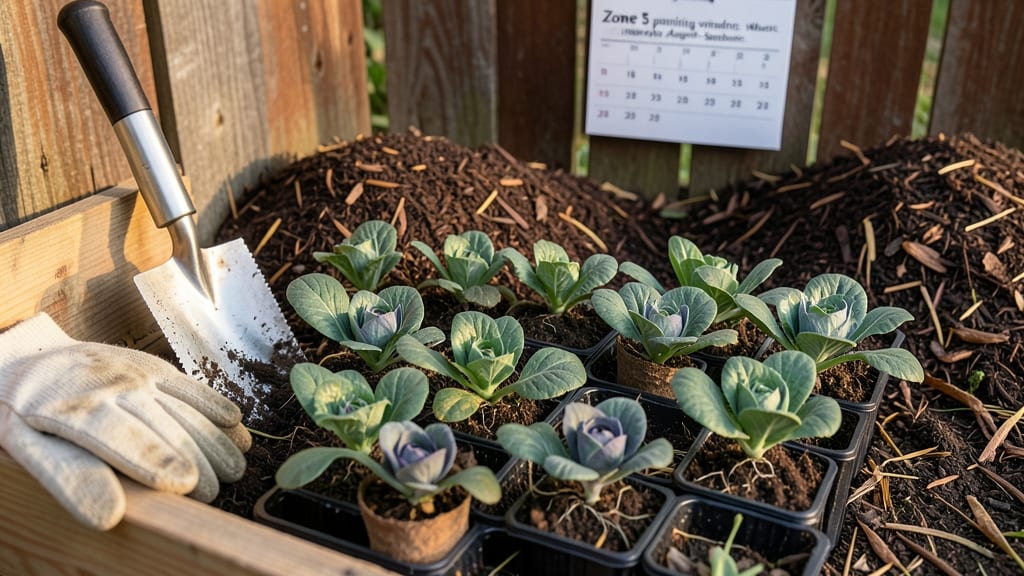
Figuring out when to plant cabbage in Zone 5 can feel like solving a puzzle—get the timing wrong, and you might end up with bitter heads or wasted effort.
The good news? With the right approach, you can grow crisp, flavorful 🥬 all season long, whether you're planting in early spring or late summer.
Zone 5 gardeners know that cabbage thrives in cooler weather, so timing your planting around frost dates is key. Start too early, and a late frost could damage your seedlings. Plant too late, and summer heat might cause your cabbage to bolt before you get a harvest.
The secret lies in understanding your local frost dates and choosing the right varieties for your climate.
In this guide, I’ll break down the exact planting windows for both spring and fall crops, including when to transplant seedlings or direct-sow seeds for the best results.
You’ll also learn how to avoid common mistakes that can ruin your harvest—like heat stress or pest problems—so you can enjoy a steady supply of homegrown cabbage from May through October.
Whether you're a beginner or a seasoned gardener, these tips will help you maximize your yield and keep your 🥬 garden thriving all season. Let’s get started!
Zone 5 cabbage planting calendar: exact start dates for spring and fall crops
Timing your cabbage planting in Zone 5 is all about beating the heat and avoiding frost damage. The last frost date (typically mid-May) and first frost date (usually mid-October) create tight windows for two planting seasons: early spring and late summer.
Miss these, and you risk bolting heads or stunted growth.
For spring cabbage, start seeds indoors 4-6 weeks before your last frost date or sow directly 2-3 weeks before.
This gives seedlings enough time to establish roots before warm weather arrives. Fall cabbage, on the other hand, needs a head start too—plant seeds indoors 8-10 weeks before your first frost or direct-sow 6-8 weeks before.
Here’s the golden rule: Cabbage hates heat. Plant too late, and temperatures above 80°F (27°C) trigger bolting—your plants will flower instead of forming heads. Aim to harvest before summer’s peak or after early fall cools down.
Zone 5’s short growing season (about 165 frost-free days) means succession planting is key. Stagger your plantings every 2-3 weeks in spring and 3-4 weeks in fall to ensure a continuous harvest. This works especially well for direct-sown varieties like ‘Golden Acre’ or ‘Savoy King’.
Soil temperature also plays a role. Cabbage seeds germinate best in soil that’s at least 40°F (4°C). Use a soil thermometer to check—if it’s colder, wait or use row covers to warm the soil faster.
In colder microclimates (like northern Zone 5), start seeds indoors under grow lights for extra protection.
Let’s break down the exact planting schedule for both seasons, including transplanting tips and frost protection strategies. This summary table will help you visualize the timeline and avoid common mistakes.
Pro tip: If you’re transplanting seedlings, harden them off for 7-10 days before moving them outdoors. Acclimate them gradually to Zone 5’s wind and temperature swings by placing them outside for increasing lengths of time each day. This reduces transplant shock and boosts survival rates.
For direct-sown seeds, plant them ½ inch deep and space them 18-24 inches apart (they’ll need room to grow). Thin seedlings to the strongest plants once they’re 4 inches tall—this prevents overcrowding and improves air circulation, reducing disease risk.
Don’t forget to mulch around your cabbage plants with straw or shredded leaves to retain moisture and suppress weeds. This is especially important in dry spells or during hot summer months when evaporation rates spike. Mulch also helps regulate soil temperature, keeping roots cool.
Finally, monitor your garden for cabbage worms and aphids, which thrive in Zone 5’s humid summers. Use row covers or neem oil as a preventive measure. A healthy plant is less susceptible to pests, so prioritize well-draining soil and balanced fertilization throughout the growing season.
By following this Zone 5 cabbage planting calendar, you’ll maximize your harvest and avoid the pitfalls that plague many gardeners. Whether you’re a beginner or a seasoned pro, these exact dates and tips will help you grow crisp, flavorful heads all season long. 🥬
Zone 5 cabbage planting calendar: exact start dates for spring and fall crops
To grow cabbage in Zone 5, timing is everything—your last frost date (mid-May) and first frost date (mid-October) dictate the perfect windows for planting. Spring cabbage thrives when soil temperatures reach 40-50°F, while fall crops need cooler weather to mature before frost.
Here’s your exact planting schedule to maximize yields.
For spring cabbage, start seeds 4-6 weeks before your last frost date—typically in late March to early April. Transplant seedlings outdoors 2-3 weeks before the last frost (around mid-April) for a May-June harvest.
Fall crops should begin 10-12 weeks before the first frost, so plant seeds in late July to early August for a September-October harvest.
📅 Key Dates for Zone 5 Cabbage Planting:
- Spring: Seeds: Late March-April | Transplants: Mid-April
- Fall: Seeds: Late July-August | Transplants: Mid-August
| Stage | Action | Timeframe |
|---|---|---|
| Spring Seeds | Direct-sow indoors or outdoors | Late March-April |
| Spring Transplants | Move seedlings outdoors | Mid-April |
| Fall Seeds | Direct-sow outdoors | Late July-August |
| Fall Transplants | Move seedlings outdoors | Mid-August |
| Harvest | Pick firm heads before frost | May-June (Spring) / Sept-Oct (Fall) |
Pro tip: Use black plastic mulch in early spring to warm soil faster and extend your planting window. For fall crops, opt for shade cloth during hot August days to prevent bolting. Always space plants 18-24 inches apart to allow for proper airflow and head development.
If you’re unsure about your exact frost dates, check your local USDA Plant Hardiness Zone Map or use a frost calendar for your nearest city.
In Zone 5, Chicago and Detroit may have slightly earlier last frost dates (early May), while Buffalo and Minneapolis might see frost lingering until late May. Adjust your planting schedule accordingly.
For a continuous harvest, stagger plantings every 2-3 weeks in spring and every 3-4 weeks in fall. This ensures you’ll have fresh cabbage ready to harvest throughout the growing season without gaps.
With these exact dates and tips, you’ll avoid the common pitfalls of Zone 5 cabbage growing and enjoy a bountiful harvest! 🥬