
Plants
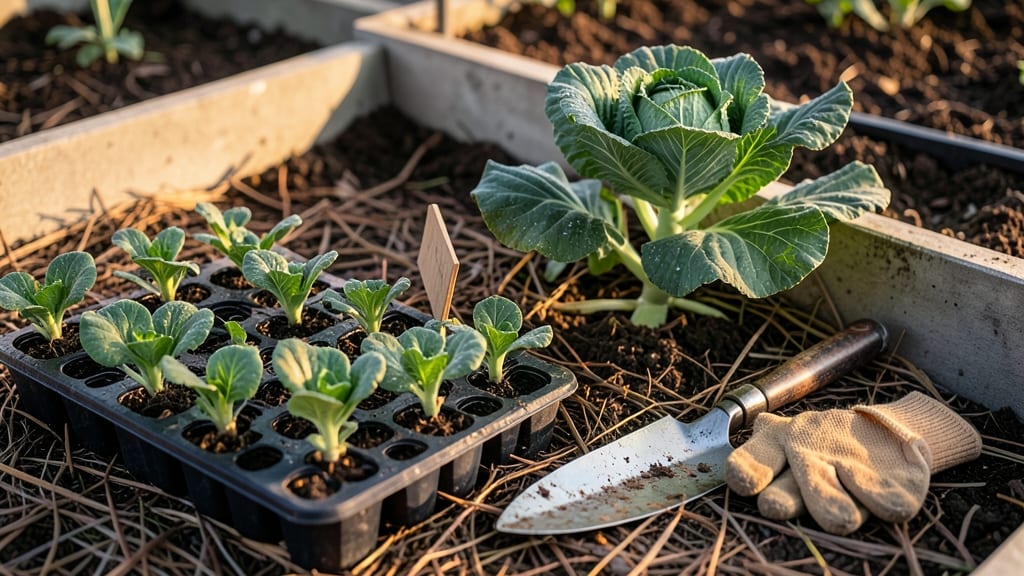
Timing your 🥬 cabbage planting in Zone 7b isn't just about picking a month—it's about dodging bolting, bitter flavors, and wasted effort. Get it wrong, and you'll spend summer pulling up sad, heat-stressed plants instead of harvesting crisp heads for your favorite stir-fries.
Here's the secret: cabbage loves cool weather, so planting too early or too late in 7b can turn your garden into a science experiment gone wrong.
I've learned the hard way that a 3-week window in early spring or late summer makes all the difference between a thriving crop and a disappointing one.
Let me show you exactly when to put those seedlings in the ground for foolproof results. We'll cover the ideal transplant dates, how to adjust for your specific microclimate, and the simple tricks that keep your cabbage happy until harvest—no guesswork required.
Whether you're aiming for spring greens or fall storage, these timing strategies will give you the sweetest, crispest cabbage your neighborhood's ever seen. Ready to stop the guessing game?
Optimal cabbage transplant timing in Zone 7B for fall and spring harvests
In Zone 7B, your cabbage transplant timing hinges on two critical windows: early spring and late summer. These periods align perfectly with your 180-day frost-free season, preventing the dreaded bolting that turns sweet heads into bitter, seed-bearing flops.
For spring harvests, aim to transplant 4-6 weeks before your last frost (around March 15). This gives your plants enough cool weather to establish roots before summer heat arrives. Miss this window, and you risk stunted growth or plants that bolt prematurely.
Your fall harvest strategy is equally precise: transplant 8-10 weeks before your first frost (around November 15). This means getting seedlings in the ground by late August to early September—just as summer heat begins to break.
| Season | Transplant Window | Ideal Soil Temp | Harvest Window | Key Challenge |
|---|---|---|---|---|
| Spring | March 15–April 15 | 45–55°F | May–June | Heat stress after transplant |
| Fall | August 15–September 15 | 50–60°F | October–November | Premature frost |
Your Zone 7B climate creates a unique challenge: summer temperatures can push 90°F+, triggering bolting even in established plants. The solution? Choose heat-tolerant varieties like 'Golden Acre' or 'Copenhagen Market' for late summer transplants.
Pro tip: Monitor your soil temperature with a thermometer. Cabbage roots thrive when soil stays between 50–60°F. If it climbs above 75°F, your plants will start bolting regardless of transplant timing.
For extended harvests, stagger your transplants every 2–3 weeks during both windows. This ensures a continuous supply of fresh cabbage while minimizing bolting risks from inconsistent temperatures.
Remember: Frost sensitivity is your fall enemy. If a late frost hits after transplanting, cover young plants with frost blankets until they're established. This buys you critical time to grow sturdy heads before winter sets in.
Finally, pay attention to your microclimate. South-facing beds warm up faster—ideal for early spring transplants—while north-facing spots stay cooler longer, perfect for late summer plantings. Use this to your advantage!
With these precise timing strategies, you'll avoid the common pitfalls of Zone 7B cabbage growing and enjoy a bountiful, bolt-free harvest all season long. 🥬
Optimal cabbage transplant timing in Zone 7B for fall and spring harvests
In Zone 7b, your cabbage transplant timing hinges on two critical windows: early spring and late summer. The goal? Avoid bolting from heat stress and ensure heads mature before first frost.
For spring harvests, aim to transplant 4-6 weeks before your last frost date (typically mid-March to early April). This gives plants enough time to establish roots before summer heat arrives.
Fall transplants are trickier but more rewarding. Plant 8-10 weeks before your first frost (usually mid-August to early September). This schedule lets cabbage mature before cold sets in, delivering crisp heads through October and November. Missing these windows risks bitter-tasting or stunted cabbage—don't let that happen!
🥬 Cabbage Transplant Timeline for Zone 7B
| Season | Transplant Window | Target Temperature | Harvest Window |
|---|---|---|---|
| Spring | Mid-March to Early April | 45–65°F (7–18°C) | May–June |
| Fall | Mid-August to Early September | 60–75°F (15–24°C) | October–November |
Pro tip: Use shade cloth (30-50%) if transplanting in late summer to protect seedlings from heat stress. I’ve seen cabbage bolt in 75°F+ (24°C+) temperatures—don’t let that ruin your crop! Also, harden off seedlings for 7-10 days before transplanting to reduce shock.
For extended harvests, stagger transplants every 2 weeks in late summer. This ensures a steady supply of fresh cabbage as cooler weather arrives. Just remember: soil temps above 80°F (27°C) will stall growth, so mulch heavily to keep roots cool.
One more critical detail: soil preparation. Amend beds with compost and a balanced fertilizer (10-10-10) before planting. Cabbage is a heavy feeder, and poor soil leads to weak, bolt-prone plants. Test your soil’s pH—aim for 6.0–7.0 for best results.
With these timing strategies, you’ll enjoy crisp, sweet cabbage from spring through fall—no bitter surprises! The key is patience and precision. Start with these windows, and adjust based on your microclimate’s quirks.