
Plants
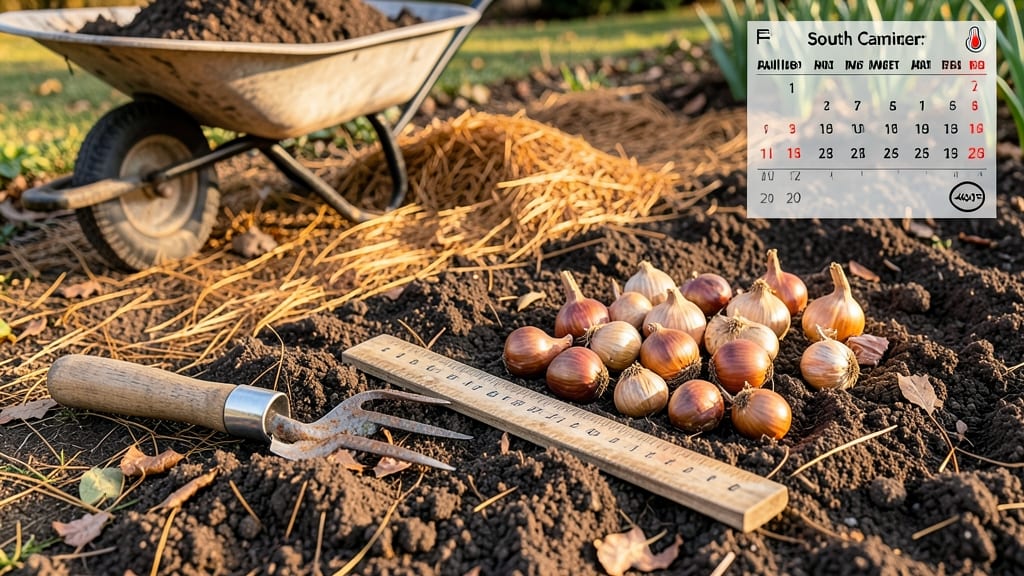
Timing your bulbs in SC planting could mean the difference between a showstopping spring garden and a sad, empty flowerbed. With South Carolina’s mild winters and unpredictable frost patterns, getting it right takes more than just throwing bulbs in the ground.
The key? Understanding your bulbs’ chill-hour needs and aligning them with SC’s unique 8a-9b climate zones.
I’ve spent years watching gardens bloom—and wither—across the Palmetto State, and the most common mistake? Planting too late in fall or ignoring microclimates like the warmer coastal areas versus the cooler Piedmont. The good news?
With the right approach, you can enjoy vibrant tulips, daffodils, and even summer-flowering bulbs like rain lilies year after year. Let me walk you through the exact windows and tricks that work here.
Fall planting is your best bet for most bulbs, but did you know some varieties—like daffodils—thrive even with SC’s short winters? We’ll break down the October-November window for cool-season bloomers and why early spring planting (February-March) gives summer bulbs a head start.
Plus, I’ll share how to adjust for those tricky late frosts that can sneak up in March.
Ready to transform your yard into a four-season paradise? By the end of this guide, you’ll know exactly when to plant each type of bulb, how deep to tuck them in, and even how to trick finicky varieties into blooming reliably. Let’s get those 🌱 roots growing!
South Carolina bulb planting calendar by chill-hour requirements
South Carolina’s USDA Zones 8a-9b mean our winters are too mild for many traditional bulbs, but the right varieties can still deliver stunning blooms. The key is understanding chill-hour requirements—the number of hours below 45°F that bulbs need to trigger flowering.
Most SC gardeners focus on low-chill bulbs (300-900 hours), but medium-chill varieties (up to 1,500 hours) can work with adjustments.
Fall planting is ideal for most bulbs, giving them time to establish roots before winter. However, early spring planting (February-March) works for heat-tolerant varieties like rain lilies.
The first hard frost in SC typically hits mid-November, so aim to plant bulbs 6-8 weeks before that date—usually by late October.
Here’s how to match bulbs to SC’s climate zones and chill-hour needs for reliable blooms every year.
| Bulb Type | Chill-Hour Needs | Best Planting Window | SC-Specific Notes |
|---|---|---|---|
| Daffodils (Narcissus) | 300-600 hours | October-November | Thrives in SC’s heat; plant 4-6 inches deep in well-draining soil. |
| Rain Lilies (Zephyranthes) | 0-300 hours | February-March or September | Heat-loving; blooms after rain; plant 2 inches deep in sandy soil. |
| Spanish Bluebells (Hyacinthoides) | 600-900 hours | October-November | Tolerates humidity; plant 6 inches deep in partial shade. |
| Tulips (Medium-Chill) | 900-1,200 hours | October (with mulch) | Use 3-4 inches of mulch in Piedmont regions; coastal areas may need pre-chilling. |
| Crocus | 0-300 hours | September-October | Early bloomer; plant 3 inches deep in full sun. |
For coastal SC (Zones 8b-9a), where winters are warmer, prioritize bulbs like rain lilies, daylilies, and Mexican shellflowers, which need minimal chill. In the Piedmont (Zone 7b-8a), you can experiment with tulips and hyacinths by planting earlier and adding extra mulch for insulation.
Always check the USDA Plant Hardiness Zone Map for your exact location, as microclimates can shift planting windows by 2-4 weeks. For example, Charleston’s coastal zone may support late-November planting, while Greenville’s inland climate might need bulbs in the ground by mid-October.
Pro tip: Use a soil thermometer to monitor ground temps. Bulbs should be planted when soil temps drop to 60°F or below, ensuring they won’t rot before winter sets in. This usually aligns with late October in most of SC.
After planting, mark your bulb locations with biodegradable flags to avoid disturbing them when spring shoots emerge. This is especially critical in lawn areas, where early grass growth can smother tender bulb foliage.
🌱
South Carolina bulb planting calendar by chill-hour requirements
South Carolina’s mild winters and 8a-9b climate zones mean bulbs need a different approach than northern gardens. The key? Chill hours—the number of hours below 45°F a bulb needs to bloom. Low-chill varieties (like daffodils) thrive here, while high-chill tulips may need tricks to survive.
Let’s break down the exact planting windows for each category so you can avoid common mistakes like late frosts or rot.
Most gardeners in SC focus on fall planting (October-November) for spring blooms, but summer-flowering bulbs (like rain lilies) often go in early spring (February-March). The rule of thumb?
Plant bulbs 6-8 weeks before the first hard frost—usually by late October. But with SC’s unpredictable weather, timing can vary by 1-2 weeks depending on your microclimate.
Here’s how to match your bulbs to SC’s climate zones and chill-hour needs for reliable blooms every year:
Notice how high-chill bulbs (like tulips) need an earlier start? In SC’s warmer zones (especially coastal areas), they often fail to bloom without pre-chilling. I’ve had success storing them in my refrigerator’s crisper drawer for 8–12 weeks before planting.
For medium-chill varieties, aim for the first half of October—this gives them enough time to root before winter sets in.
Pro tip: Use a soil thermometer to check when soil temps drop below 60°F—this is your cue to start planting. In the Piedmont region, you might plant a week earlier than coastal Charleston due to cooler nights.
Always adjust for your last frost date, which can range from mid-November in Zone 8a to late November in Zone 9b.
Don’t forget about summer-flowering bulbs like rain lilies! These go in February-March for blooms in June–August. Their low chill needs make them perfect for SC’s heat, but they need well-draining soil to avoid rot in our humid summers.
Plant them 3–4 inches deep and space them 6 inches apart for best results.
With this calendar, you’ll never miss a planting window again. Next, we’ll dive into the top 5 low-chill bulbs that guarantee blooms in SC’s mild winters—no tricks required! 🌷