
Plants
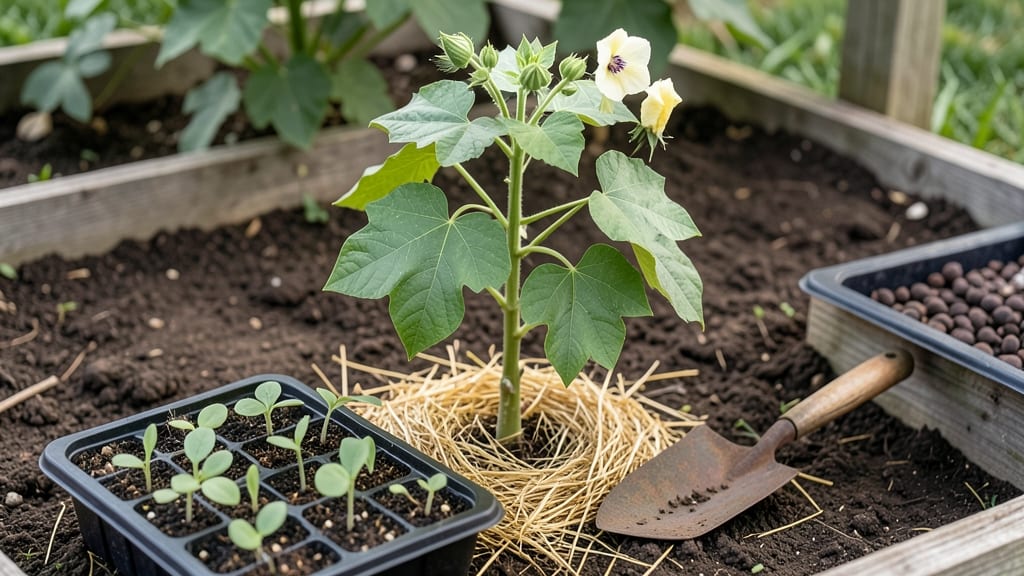
If you’ve ever dreamed of planting cotton in North Carolina, timing is the single most important factor—get it wrong, and you’ll either lose your crop to frost or miss peak harvest season entirely.
The good news? NC’s warm climate and long growing season make it one of the best states for cotton cultivation, whether you’re a backyard gardener or a small-scale farmer.
Most gardeners in zones 6a-8b should plant cotton between April 15 and May 31, once soil temperatures hit 60°F+ and the last frost has passed.
But here’s the catch: heat-tolerant varieties like _DP1646B2RF_ or _FM966_ can push your window later, while early starters might need row covers to extend the season safely.
I’ll break down the exact planting dates by zone, share which varieties thrive in NC’s humidity, and reveal pro tips to avoid common pitfalls like bolting or heat stress.
By the end, you’ll know not just when to plant cotton in NC, but how to maximize your yield—even if you’re working with limited space.
Ready to turn your garden into a mini cotton field? Let’s get started with the science-backed schedule that’ll have you harvesting fluffy bolls by fall.
North Carolina cotton planting dates by USDA hardiness zone (with frost risk charts)
North Carolina spans USDA zones 6a through 8b, which means your cotton planting window can vary by 4-6 weeks depending on where you live. The key factor? Soil temperature—cotton seeds need 60°F+ soil to germinate, and seedlings can’t handle frost.
In zone 6a (western mountains), wait until May 1, while zone 8b (coastal areas) can start as early as April 15.
Most NC growers use transplants for consistency, but direct sowing works if your soil warms quickly. Last frost dates in NC range from March 15 (zone 8b) to April 15 (zone 6a), so plan to plant 3-4 weeks after your average last frost.
For example, if frost typically leaves April 1, aim for May 1 planting.
Here’s the critical frost risk comparison for NC’s cotton zones—miss these dates, and your seedlings could die:
| Zone | Avg Last Frost | Safe Planting Window | Soil Temp Threshold | Frost Risk After Planting |
|---|---|---|---|---|
| 6a (Mountains) | April 15 | May 1–May 15 | 60°F+ | High (late frosts common) |
| 7a (Piedmont) | March 30 | April 15–April 30 | 60°F+ | Moderate (occasional late frosts) |
| 7b (Central) | March 20 | April 1–April 15 | 60°F+ | Low (rare frosts after April) |
| 8a (Coastal) | March 1 | March 15–April 1 | 60°F+ | Very Low (frost unlikely) |
| 8b (Outer Banks) | February 28 | March 15–March 31 | 60°F+ | None (frost-free by March) |
For direct-sown cotton, wait until soil hits 65°F+—use a soil thermometer to check. In zone 7b (where most NC cotton is grown), this usually aligns with mid-April. If you’re transplanting seedlings, start them indoors 8-10 weeks before your last frost date to give them a head start.
Pro tip: Use black plastic mulch to warm soil faster and extend your planting window by 1-2 weeks. This is especially useful in zone 6a, where cold soils delay germination. Just remove the mulch once plants are established to prevent overheating.
If you’re in zone 8a or 8b, you can even try an early April planting for a fall harvest. However, watch for heat stress—cotton bolts (prematurely flowers) when temperatures exceed 95°F for 3+ days.
In NC’s summer, this is inevitable, so choose heat-tolerant varieties like DP1646B2RF or FM966 to avoid bolting.
For agricultural-scale planting, many NC farmers use precision planters to sow seeds 1 inch deep in rows 36 inches apart. For home gardens, a small plot with 18-inch spacing works well. Just remember: thin seedlings to 12 inches apart once they’re 4 inches tall to prevent competition.
One common mistake? Planting too late. Cotton needs 150-180 days to mature, so if you miss the May 1 deadline in zone 7b, your bolls won’t ripen
Best heat-tolerant cotton varieties for North Carolina’s humid climate (drought resistance included)
North Carolina’s sweltering summers and humid air can stress cotton plants, but the right heat-tolerant varieties thrive in these conditions. For home gardeners or small-scale farmers, selecting the best cotton cultivars ensures higher yields and disease resistance.
Upland cotton dominates commercial fields, but Pima varieties offer premium fiber quality—though they demand more care.
In NC’s USDA zones 7b-8a, prioritize varieties with Verticillium wilt resistance and drought tolerance. The DP1646B2RF variety stands out for its high yield potential and ability to handle NC’s heat and humidity. Meanwhile, FM966 delivers strong disease resistance while maintaining adaptability to sandy soils common in eastern NC.
🌱 Upland Cotton: DP1646B2RF
- High yield potential
- Heat and drought tolerant
- Verticillium wilt resistant
- Requires consistent moisture
- Susceptible to Fusarium wilt
🧵 Pima Cotton: S-7
- Superior fiber quality
- Longer staple length
- Strong disease resistance
- Slower growth rate
- Needs more water
- Lower yield in heat
For gardeners in western NC’s higher elevations (zone 7b), the FM966 variety excels due to its adaptability to cooler nights. In contrast, eastern NC’s coastal plains (zone 8a) benefit from DP1646B2RF’s heat tolerance, which prevents early bolting—a common issue in NC’s long, hot summers.
If you’re experimenting with Pima cotton (S-7), plant it in well-drained soil and supplement with organic mulch to retain moisture. While its premium fiber is tempting, remember it matures 10-14 days slower than upland varieties, so adjust your planting timeline accordingly.
For drought-prone areas, consider FM1006GLB, a variety bred for water efficiency while maintaining yield stability. This makes it ideal for southeastern NC, where summer rainfall can be unpredictable.
Always pair your chosen variety with proper soil prep—aim for 6.0-6.5 pH and organic matter-rich soil to maximize performance.
No matter which variety you choose, monitor for pests like boll weevils and aphids, which thrive in NC’s climate. Rotate crops annually and use neem oil sprays for organic control. With the right variety and care, your cotton crop can flourish in NC’s challenging—but rewarding—growing conditions 🌿.