
Plants
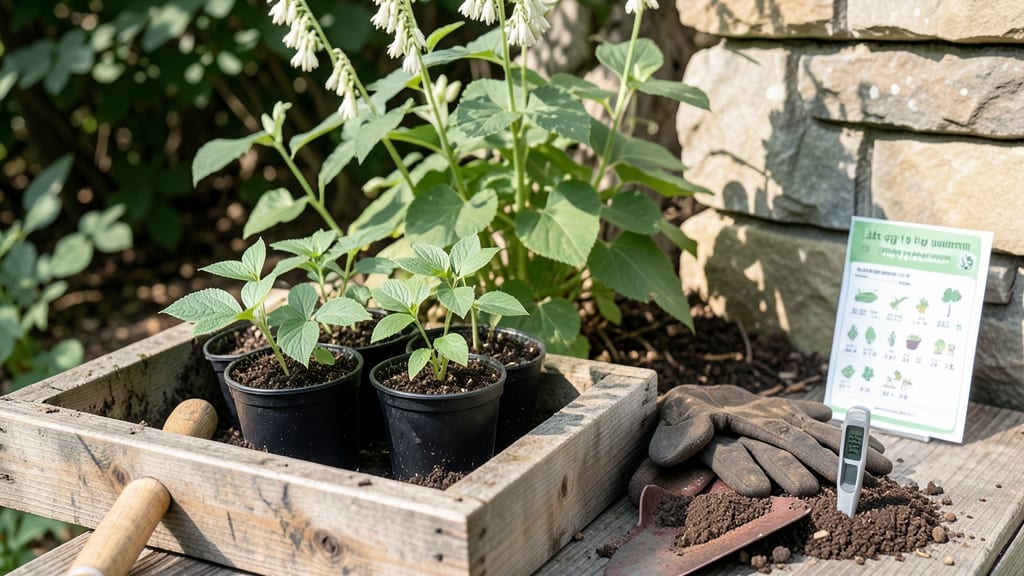
If you're looking for a fast-growing crop that thrives in Georgia's warm climate, buckwheat 🌾 might just be your secret weapon—but planting it at the wrong time could mean wasted effort.
The key to maximizing your harvest lies in understanding Georgia's unique seasonal rhythms, where just a few weeks can make the difference between a bountiful yield and a disappointing one.
Most gardeners in USDA zones 7b-8b know timing is everything, but buckwheat has specific windows where it truly shines. Whether you're aiming for a spring harvest or a late-summer crop, getting the seeds in the ground at the right moment ensures your plants grow quickly and efficiently.
Let's break down exactly when to plant for the best results in your Georgia garden.
Spring planting typically kicks off around March 15, giving you a chance to harvest by June, while fall planting opens up in mid-August for a September-October yield. But here's the catch: these dates aren't set in stone—they depend on your local frost patterns and soil temperatures.
I'll show you how to align your planting schedule with Georgia's climate to avoid common pitfalls.
Ready to grow buckwheat like a pro? You'll discover how to prepare your soil, space your plants correctly, and care for them post-planting to ensure a fast and abundant harvest. Let's dive into the details that will transform your garden this season.
Best planting times for buckwheat in Georgia’s climate zones
Georgia’s USDA zones 7b-8b create a unique challenge for buckwheat growers—short frost-free seasons mean every planting window counts. Unlike cool-season crops, buckwheat thrives in warm soil temperatures (50°F+) and can’t handle late frosts, which is why timing matters more than most gardeners realize.
Most gardeners in Georgia focus on two optimal planting windows: early spring (March-April) and late summer (August-September). These periods align with soil warmth and daylight length, giving buckwheat the 45-60 days it needs to mature before frost. Let’s break down the exact dates and conditions for each zone.
For zone 7b (northern Georgia), the last frost typically hits around March 15, while zone 8b (southern Georgia) may see frost as late as March 25.
This means your planting window shifts by nearly two weeks depending on where you live. Even a one-week delay can reduce yields by 20-30%.
Here’s what you need to know about soil temperatures: buckwheat seeds won’t germinate below 50°F (10°C). In Georgia, soil reaches this threshold around mid-March in zone 8b but may wait until late March in zone 7b. Always check with a soil thermometer before planting.
Another critical factor is daylight length. Buckwheat grows fastest with 14+ hours of daylight, which Georgia experiences from late May through August.
Planting too early in spring (before April) risks slow growth due to shorter days, while late summer plantings (after August 30) may not mature before frost.
Let’s compare the two planting seasons side-by-side to help you decide which works best for your garden.
🌾 Pro Tip: Use a frost calendar for your county to fine-tune dates.
Frost risk is the biggest threat to buckwheat in Georgia. A single late frost after planting can kill seedlings, while an early frost before harvest ruins your crop. In zone 7b, the first frost typically arrives around November 15, giving you a 215-day frost-free season.
If you plant in fall, aim to harvest by October 15 to avoid frost damage.
One strategy I’ve used with success is succession planting in spring. Instead of one large planting, sow seeds every 2 weeks from March 15 to April 15. This spreads out your harvest and reduces the risk of losing everything to a single frost event.
For fall plantings, focus on August 15-September 15—any later, and your buckwheat may not mature before frost.
Georgia’s summer heat can also stress buckwheat if planted too early. Temperatures above 90°F (32°C) for prolonged periods cause bolting (premature flowering), which reduces grain quality. If you’re in zone 8b and planting in late spring, monitor weather forecasts and consider shade cloth during heatwaves.
Finally, don’t overlook soil preparation. Buckwheat prefers well-draining soil with a pH of 6.0
Best planting times for buckwheat in Georgia’s climate zones
Georgia’s USDA zones 7b-8b create unique challenges for buckwheat growers, where heat tolerance and frost timing dictate success. Unlike cool-season crops, buckwheat thrives in warm soil temperatures (50°F+) and can't handle late frosts, which is why planting windows are critical.
The ideal time frames align with Georgia’s last frost date (March 15) and first frost (November 15), but local microclimates can shift these by 2-3 weeks.
For spring planting, I recommend starting between March 15 and April 30—this gives plants enough time to mature before summer heat sets in. In fall, the window opens from August 15 to September 30, allowing for a second harvest before winter.
Missing these windows risks stunted growth or premature bolting from Georgia’s intense summer heat.
| Season | Planting Window | Soil Temp Requirement | Frost Risk | Harvest Window |
|---|---|---|---|---|
| Spring | March 15 - April 30 | 50°F+ | Low (after last frost) | May - June |
| Fall | August 15 - September 30 | 55°F+ | Moderate (before first frost) | September - October |
In northern Georgia (zone 7b), where nights stay cooler, I plant buckwheat 2 weeks later than southern areas (zone 8b) to avoid frost damage.
For example, if the last frost in Athens is April 1, I wait until April 15 to sow seeds, while in Savannah, I might start as early as March 20. Always check your local frost-free date—this is your golden rule for timing.
One common mistake I see is planting too early in spring when soil temperatures are still below 50°F. Cold soil slows germination, leading to patchy growth. Use a soil thermometer to confirm readiness—this simple tool has saved me from wasted seed packets more times than I can count.
Similarly, fall plantings must occur 8-10 weeks before first frost to ensure seed maturation.
Georgia’s summer heat can also trick gardeners into thinking buckwheat can handle planting anytime. But temperatures above 85°F cause bolting (premature flowering), reducing grain quality. That’s why I prioritize early spring and late summer plantings—these windows balance warmth with manageable temperatures for consistent yields.
Pro tip: If you’re in a humid microclimate (like coastal Georgia), space your plants slightly wider (12-15 inches apart) to improve airflow and prevent fungal issues. This adjustment makes a huge difference in disease resistance during Georgia’s muggy growing seasons.