
Plants
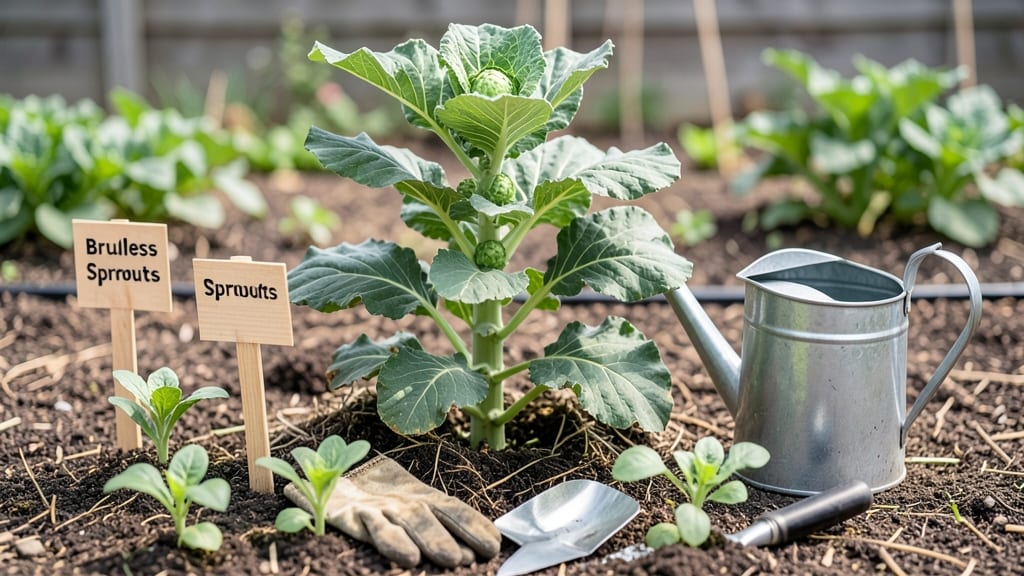
Planting Brussel sprouts 🥦 in Indiana isn’t just about dropping seeds in the dirt—it’s about mastering the timing to avoid bitter disappointment. With Indiana’s unpredictable frost dates and short growing seasons, getting it wrong can mean tiny, tough sprouts or plants that bolt before they even mature.
Most gardeners in Zone 6a make the mistake of planting too early, only to watch their sprouts struggle through cold snaps or race toward harvest before the first frost.
But when you nail the window—whether starting seeds indoors in March or sowing directly in July—you’re rewarded with a harvest that lasts from October through December.
Here’s the game-changer: a foolproof frost-date calendar tailored to Indiana’s climate, plus pro tips to extend your growing season for two harvests. No more guessing—just a clear, actionable plan to grow sweet, tender sprouts every time.
Ready to transform your garden? Let’s dive into the exact planting schedule that’ll turn your Indiana soil into a Brussels sprout powerhouse.
Indiana’s frost-date calendar for planting Brussel sprouts (with zero-bolt guarantees)
Indiana’s USDA zones 5-7 create unique challenges for growing Brussel sprouts. The key to avoiding bitter bolts or frost damage lies in understanding your last spring frost (typically April 15) and first fall frost (around October 15).
These dates determine your planting windows—either early spring or late summer—for two potential harvests.
For Zone 6a (most of Indiana), aim to transplant 4-6 weeks before your last frost date. This means starting seeds indoors by late February to early March for a March-April transplant. In Zones 5 and 7, adjust by 1-2 weeks earlier or later, respectively.
Microclimates near lakes or urban areas may shift these dates by 7-10 days, so monitor local weather patterns.
🌱Pro Tip: Use a soil thermometer—Brussel sprouts thrive in 45-85°F soil. Planting too early in cold soil (below 40°F) stresses seedlings, while waiting too long risks overheated soil that triggers bolting.
🌿Visual Guide: Below is your Indiana Frost-Date Calendar for planting Brussel sprouts, broken down by zone and season. Bookmark this for your garden planner!
For fall harvests, plant seeds 8-10 weeks before your first frost. In Zone 6a, this means July 1-15 for a September-October harvest. Choose cold-hardy varieties like ‘Long Island Improved’ or ‘Ruby Ball’ to withstand light frosts (they taste sweeter after frost!).
💡Indiana-Specific Tip: If your soil stays soggy in spring (common in low-lying areas), wait until soil warms to 50°F before transplanting. Raised beds or mound planting can help if drainage is poor.
🌡️Critical Deadline: Never plant Brussel sprouts after July 31 in Zone 6a—they’ll bolt before forming sprouts. For Zone 7, push to August 15 max. Use shade cloth in late summer to cool soil and delay bolting.
✂️Transplanting Prep: Harden off seedlings for 7-10 days before moving them outdoors. Plant in well-draining soil with a pH of 6.0-7.0. Add compost at planting to encourage strong root growth—this is non-negotiable for Indiana’s heavy clay soils.
How to extend your growing season in Indiana for two Brussel sprout harvests
Indiana’s short but sweet growing season doesn’t mean you’re limited to just one Brussel sprout harvest. With the right strategies, you can enjoy fresh sprouts in both spring and fall, doubling your yield.
The key lies in succession planting, cold-hardy varieties, and protective techniques like row covers—all tailored to Indiana’s USDA Zones 5-7.
Start by choosing cold-tolerant varieties like ‘Long Island Improved’ or ‘Ruby Ball’, which thrive in Indiana’s cool nights and humid summers. These varieties can handle light frosts and even brief freezes, making them ideal for fall plantings.
For spring, aim to transplant seedlings 4-6 weeks before your last frost date (typically mid-April in most of Indiana).
To maximize your harvest, practice succession planting every 2-3 weeks in late summer. This ensures a continuous supply of mature sprouts before winter sets in.
For example, if your first frost arrives around October 15, your final planting should be completed by mid-August to allow 90 days to maturity.
Here’s how to protect your fall crop from early frosts: Use floating row covers or low tunnels to extend the season by 2-4 weeks. These barriers shield plants from light frosts (28-30°F) and even heavy frosts (24-28°F) for short durations.
In Indiana’s Zone 6a, this can push your harvest window into late November or early December.
Don’t overlook soil preparation for fall plantings. Work in compost or aged manure before transplanting to replenish nutrients depleted by summer crops. Well-draining soil is critical—Indiana’s clay-heavy soils can become waterlogged in fall, leading to rot. Amend with sand or peat moss if needed to improve drainage.
For a second spring harvest, start seeds indoors in late winter (February) and transplant outdoors by early April. Use black plastic mulch to warm the soil faster and deter weeds.
This early start gives you a head start on the season and can yield sprouts ready for harvest by late May or early June.
With these techniques, you’ll enjoy two bountiful harvests instead of one—proof that Indiana’s climate can work in your favor with the right planning. Happy gardening! 🌱🥦